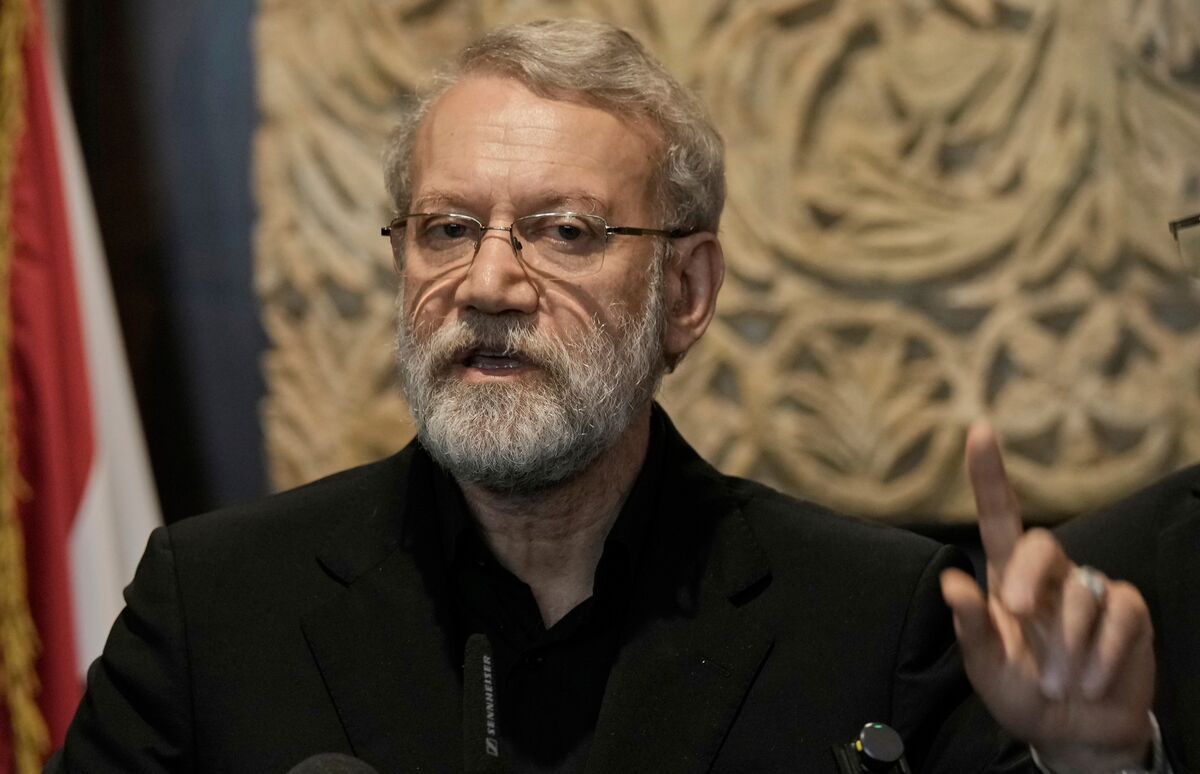
The recent killing of veteran Iranian politician Ali Larijani has severely escalated the ongoing Middle East conflict. With his pragmatic voice permanently silenced, the US Iran diplomacy crisis enters a highly volatile new phase. Tehran’s leadership structure is now heavily consolidated under ultra-conservative factions, drastically diminishing the likelihood of a negotiated off-ramp to the war.
How Larijani’s Death Fuels the US Iran Diplomacy Crisis
Ali Larijani was not a moderate by Western standards, but he was the ultimate regime insider. He possessed the rare ability to bridge the gap between Iran’s rigid ideological core and the practical realities of international diplomacy. His assassination strips the Islamic Republic of its most experienced crisis manager.
Consequently, the removal of this key node complicates any potential backchannel negotiations. Western diplomats viewed Larijani as a shrewd but rational actor. Without him, foreign powers are left wondering who in Tehran possesses both the authority to negotiate and the willingness to do so.
The Power Vacuum and the End of Pragmatism
Following the assassination of Supreme Leader Ayatollah Ali Khamenei in February, Larijani stepped into a critical void. He managed the state’s wartime strategy while maintaining vital relationships across the Gulf and Europe. He was the vital connective tissue between the battlefield and the negotiating table.
His absence leaves an interim leadership council scrambling to maintain operational coherence. While President Masoud Pezeshkian remains in office, the real levers of power are rapidly shifting. The system is becoming significantly more rigid, losing the strategic flexibility that Larijani provided during previous geopolitical standoffs.
Rise of the Hardliners: Qalibaf and the IRGC
The immediate beneficiary of this power shift is parliament speaker Mohammad-Baqer Qalibaf. A former commander of both the national police and the Islamic Revolutionary Guard Corps (IRGC), Qalibaf represents a fundamentally different approach to statecraft.
Under Qalibaf’s rising influence, the military apparatus is expected to assert total dominance over civilian decision-making. He advocates for aggressive pushback rather than diplomatic compromise. This internal consolidation of hardline power means that Iran’s response to the war will likely become more asymmetric and less predictable.
Marginalizing the Moderates
The prospect of further ultra-conservative consolidation raises immediate questions about the survival of Iran’s remaining pragmatic officials. Foreign Minister Abbas Araghchi, the most experienced diplomat currently in office, now operates in a highly hostile internal environment.
Furthermore, legacy figures associated with the 2015 nuclear deal, such as former President Hassan Rouhani and Mohammad Javad Zarif, risk complete marginalization. If European or Chinese intermediaries attempt to initiate de-escalation talks, they will find an establishment largely purged of receptive voices.
Regional Fallout: The Gulf, Oil, and Global Markets
The war’s economic consequences are already reverberating globally. The recent Iranian missile attack that ignited an Emirati gas field highlights the severe risks to regional infrastructure. Retaliatory strikes are no longer theoretical; they are actively disrupting the energy sector.
Meanwhile, the effective closure of the Strait of Hormuz has triggered a massive spike in global oil prices. US President Donald Trump has expressed intense frustration over the reluctance of allied nations to secure maritime transit in the Persian Gulf. The economic cost of this conflict is mounting daily, forcing Western economies to absorb the shock of supply chain paralysis.
A Strategy of Eradication
Israel’s strategic intent appears uncompromising. Israeli government officials have anonymously stated that their objective is the complete dismantling of the ayatollah regime, explicitly rejecting the idea of replacing one clerical leadership with another.
By systematically targeting figures like Larijani—those capable of pushing for a political solution—Israel is forcing a decisive military conclusion to the conflict. This strategy leaves no room for the diplomatic maneuvers that characterized previous US-Iran escalations.
What Happens Next?
Tehran is now operating with a fractured command structure dominated by security hardliners. The system is structurally less capable of coherent strategic planning and far more prone to dangerous miscalculations.
As the war enters its third week with no signs of easing, the international community faces a stark reality. The avenues for de-escalation are closing rapidly. The coming weeks will determine whether the current regional firestorm expands into a permanent reshaping of the Middle Eastern order.
To learn more, follow Shabdsanchi’s social media pages today and stay updated.
- Facebook: shabdsanchi
- Instagram: shabdsanchiofficial
- YouTube: @shabd_sanchi
- Twitter: shabdsanchi