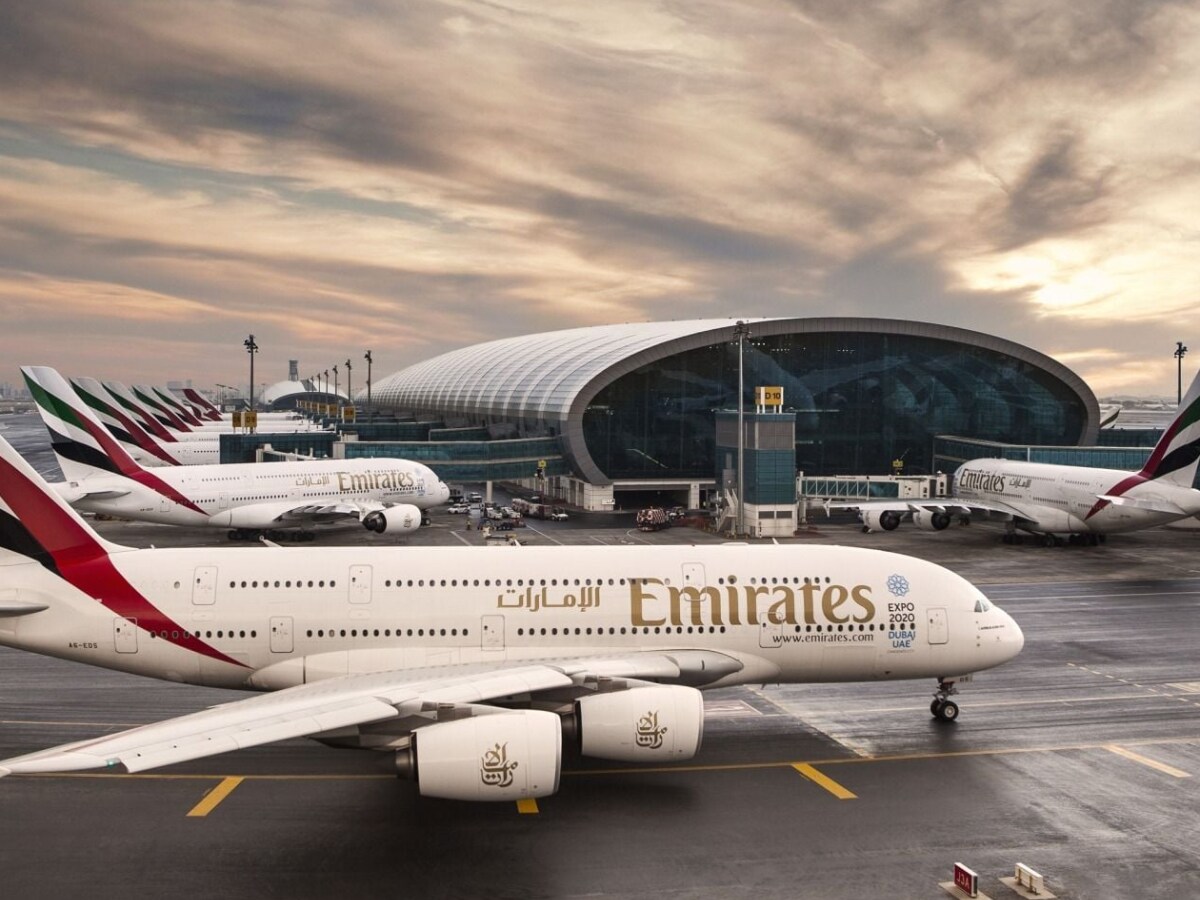
The United Arab Emirates has officially resumed normal aviation operations. The UAE reopens airspace following a brief, two-hour precautionary shutdown. This critical decision comes as the Middle East grapples with escalating tensions, prioritizing the safety of passengers and territorial integrity amid ongoing conflicts.
Why the UAE Reopens Airspace After Temporary Halt?
The recent decision to halt and subsequently resume flights highlights the volatile security situation in the Middle East. The General Civil Aviation Authority (GCAA) confirmed the temporary closure lasted nearly two hours. Authorities described this move as an exceptional precautionary measure. The primary goal was to ensure the absolute safety of flight crews, passengers, and the nation’s sovereign territory.
Before the UAE reopens airspace, officials conducted a comprehensive assessment of current operational and security conditions. The GCAA stated that the resumption was coordinated closely with relevant defense and aviation authorities. Real-time monitoring systems remain fully active to guarantee the highest aviation safety standards moving forward.
Details of the Defense Interceptions
The backdrop to this airspace disruption is a rapidly intensifying conflict involving Iran, the United States, and Israel, now entering its third week. The regional spillover has put neighboring Gulf nations on high alert. The UAE’s Defense Ministry revealed staggering figures regarding the ongoing aerial threats.
According to official statements released on Monday, national air defenses have been working overtime. Military defense systems have successfully intercepted more than 300 ballistic missiles since the escalation began. Furthermore, forces have neutralized over 1,600 hostile drones, showcasing the scale of the regional security challenge.
Impact on Dubai International Airport Operations
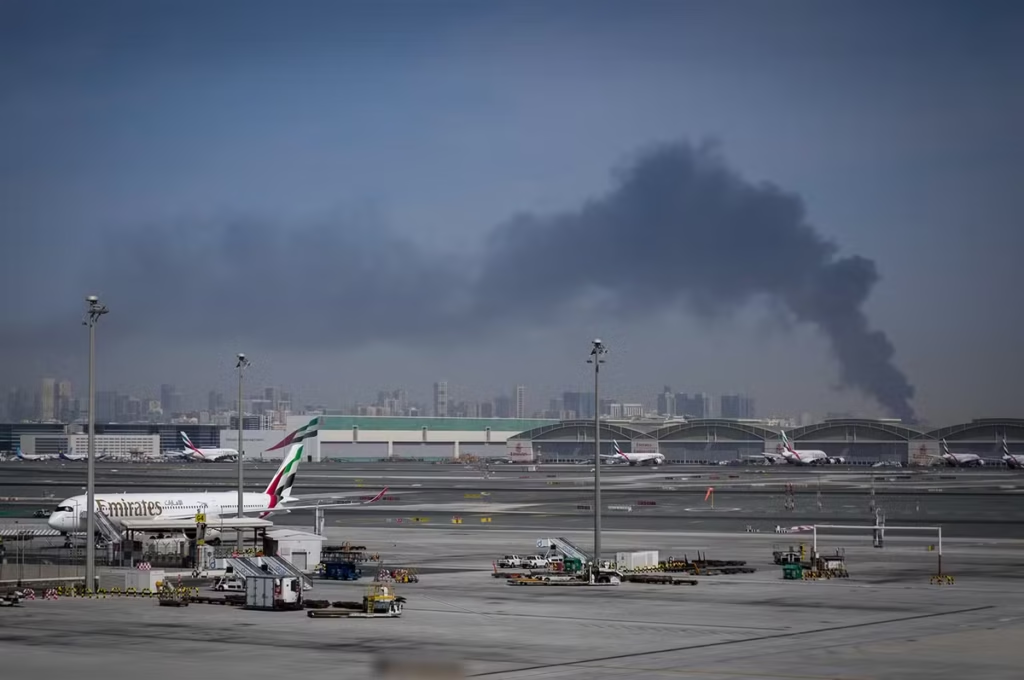
The broader airspace closure directly followed localized disruptions at one of the world’s busiest transit hubs. Dubai International Airport faced operational challenges recently, forcing authorities to implement a limited flight schedule earlier this week. This disruption was triggered by a specific security incident on the ground.
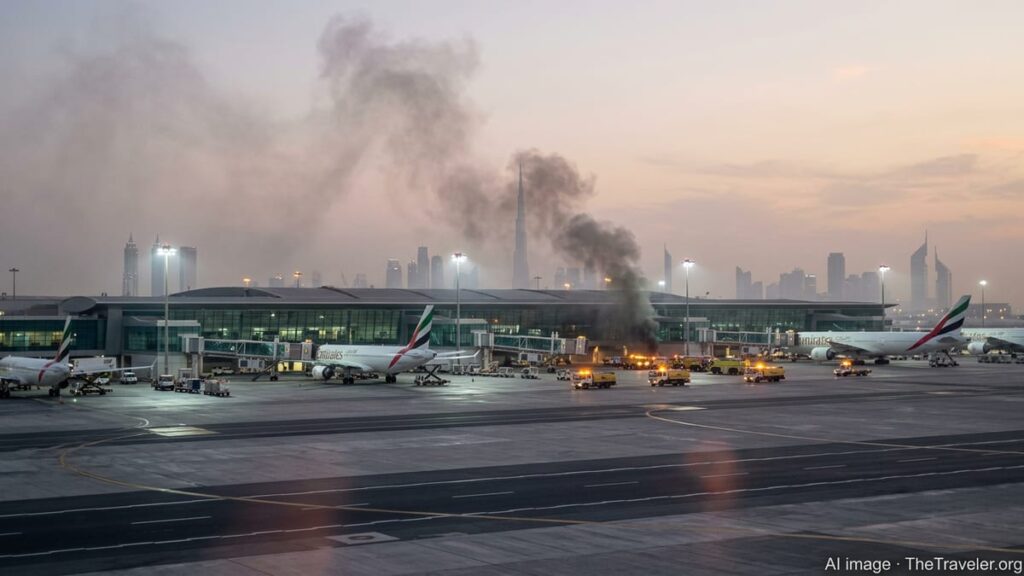
A drone strike successfully bypassed initial defenses, hitting a fuel depot and triggering a localized fire at the airport facility. Fortunately, emergency response teams contained the situation quickly. Authorities confirmed that no injuries were reported during the strike. However, this marks the fourth drone-related incident to affect the airport, raising concerns among international carriers.
Global Airlines Adjust Middle East Flight Schedules
The ongoing security developments have forced global airlines to drastically reassess their operations. The Middle East serves as a crucial connective corridor for international travel, and volatile airspace creates severe logistical headaches. Consequently, major airlines are rerouting flights to avoid potential conflict zones entirely.
British Airways announced an extension of its temporary reduction in Middle East flight schedules due to persistent uncertainty. This operational shift affects several major routes. Flights connecting London to Abu Dhabi, Amman, Bahrain, Doha, Dubai, and Tel Aviv are currently experiencing modifications or cancellations.
Looking Ahead for Travelers and Regional Security
Airlines emphasize that they are keeping the security environment under constant review. British Airways, alongside other IAG-owned entities, is maintaining direct contact with affected customers to offer alternative travel arrangements or refunds. To mitigate the disruption, the airline has operated multiple relief flights from Muscat, Oman.
Additionally, carriers are adding capacity to alternative hubs like Singapore and Bangkok to support stranded travelers. As the situation evolves, passengers traveling through the Gulf region are strongly advised to check with their respective airlines before proceeding to the airport.
To learn more, follow Shabdsanchi’s social media pages today and stay updated.
- Facebook: shabdsanchi
- Instagram: shabdsanchiofficial
- YouTube: @shabd_sanchi
- Twitter: shabdsanchi