




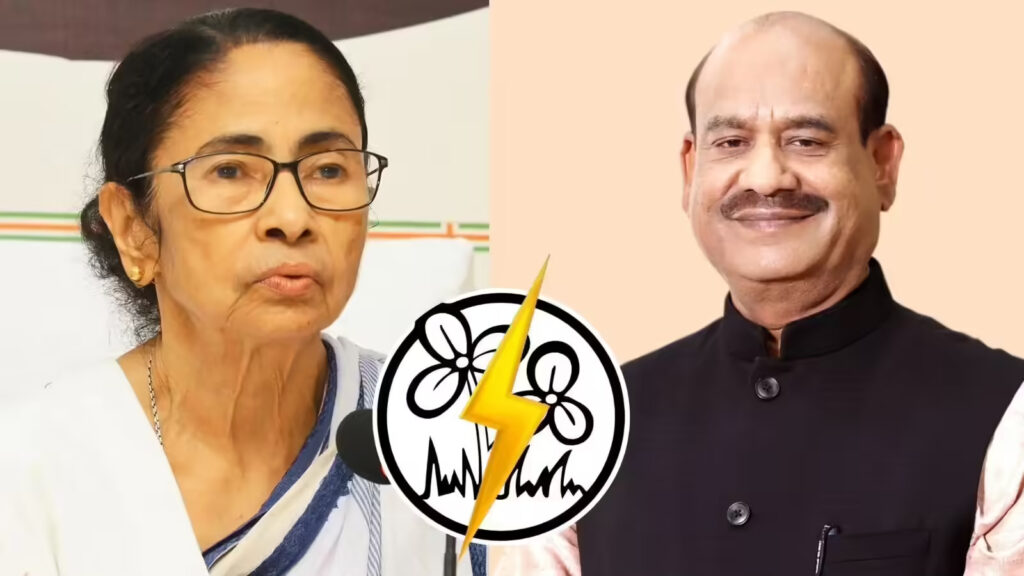
A major political development has emerged from the Trinamool Congress (TMC), with reports suggesting that 20 party MPs have sought recognition as a separate parliamentary group in the Lok Sabha. According to the claims, the lawmakers have written to Speaker Om Birla and requested separate seating arrangements in the House, signaling a significant challenge to the party leadership.
The reported move comes at a crucial moment for the TMC, led by West Bengal Chief Minister Mamata Banerjee. Political observers view the development as one of the most serious internal challenges faced by the party at the national level in recent years.
What Does the Letter to the Speaker Contain?
According to available details, the group of MPs has informed the Lok Sabha Speaker about its intention to function separately from the existing Trinamool Congress parliamentary unit. The lawmakers have reportedly requested official recognition for their faction and have also sought separate seating arrangements within the House.
If such a request is formally processed, parliamentary authorities may examine whether the group meets the procedural requirements laid down under Lok Sabha rules. Recognition of a separate parliamentary group typically depends on specific numerical and procedural conditions.
The reported communication has attracted attention because it involves a substantial number of sitting MPs and raises questions about the future structure of the party’s parliamentary wing.
Kakoli Ghosh Dastidar Likely to Lead the Group
Reports indicate that veteran TMC leader and parliamentarian Kakoli Ghosh Dastidar could emerge as the leader of the proposed faction.
Her name has reportedly been put forward as the face of the group if formal recognition is granted. Dastidar has been associated with the party for years and has represented the party in Parliament on several important occasions.
The emergence of a separate leadership structure would mark a notable shift within the party’s parliamentary setup and could influence future floor coordination during debates and legislative business.
Why the Development Is Politically Significant?
The reported split assumes greater significance because it comes at a time when opposition parties have been attempting to strengthen coordination on national issues. Any division within a major opposition party could affect parliamentary strategy, alliance dynamics, and issue-based coordination in both Houses of Parliament.
Political analysts believe the development may also have implications for the party’s organizational structure beyond Parliament. Internal disagreements, leadership concerns, and strategic differences are often cited as factors that contribute to factional activity within political parties.
However, the exact reasons behind the reported move have not been officially detailed by the MPs involved. As a result, many questions regarding the motivations and future direction of the group remain unanswered.
Impact on Trinamool Congress Leadership
For the Trinamool Congress leadership, the reported rebellion presents both political and organizational challenges. The party has maintained a strong presence in West Bengal politics and has sought to expand its influence at the national level in recent years.
A split involving a sizeable section of MPs could affect parliamentary representation and potentially alter internal power equations. The response of the party leadership will likely be closely watched by political observers and rival parties alike.
The timing has also drawn attention because the reported development surfaced while senior opposition leaders were engaged in broader political discussions in New Delhi. This has added another layer of interest to the unfolding situation.
What Happens Next?
The next stage will depend on parliamentary procedures and official communication from the Speaker’s office. Any decision regarding recognition of a separate group would follow established rules and administrative processes.
At the same time, responses from the Trinamool Congress leadership and the MPs associated with the reported faction will be important in determining the future course of events.
Political developments of this nature often evolve rapidly, and further clarity is expected as official statements emerge. Until then, the focus remains on whether the reported group receives formal recognition and how the party addresses the challenge.
Read Also: IND-W vs WI-W: India Women Begin T20 World Cup Preparations with Mixed Start Against West Indies
Conclusion
The reported move by 20 MPs has placed the Trinamool Congress under political scrutiny and sparked debate about its parliamentary future. While several details are still awaiting official confirmation, the development has the potential to influence opposition politics and parliamentary dynamics in the coming weeks.
FAQs
1. What is the TMC MP Split News about?
The TMC MP Split News refers to reports claiming that 20 Trinamool Congress MPs have sought recognition as a separate parliamentary group in the Lok Sabha and requested separate seating arrangements from the Speaker.
2. Why are the TMC MPs seeking a separate group?
While reports suggest internal differences within the party, the MPs involved have not publicly detailed all the reasons behind the move. Official statements are awaited for greater clarity.
3. Who is expected to lead the proposed TMC faction?
According to reports, senior TMC leader Kakoli Ghosh Dastidar is likely to lead the proposed parliamentary group if it receives formal recognition.
4. What role does the Lok Sabha Speaker play in this matter?
The Lok Sabha Speaker examines requests related to parliamentary group recognition and seating arrangements based on established House rules and procedures.
5. Will this affect the Trinamool Congress in Parliament?
If the reported split is formally recognized, it could influence the party’s parliamentary strength, floor coordination, and overall political strategy in the Lok Sabha.
6. Has the separate group been officially recognized?
As of now, official recognition depends on parliamentary procedures and a decision by the Speaker’s office. Further announcements are awaited.
7. Why is this development politically significant?
The development is significant because it involves a major opposition party and could impact opposition unity, parliamentary coordination, and future political alignments.
8. Can MPs form a separate parliamentary group within a party?
Parliamentary rules provide mechanisms for recognition of groups under certain conditions. Any such request is assessed according to the applicable procedures of the House.
For more information, follow Shabdsanchi‘s social media pages today and stay updated.
- Facebook: shabdsanchi
- Instagram: shabdsanchiofficial
- YouTube: @shabd_sanchi
- Twitter: shabdsanchi