




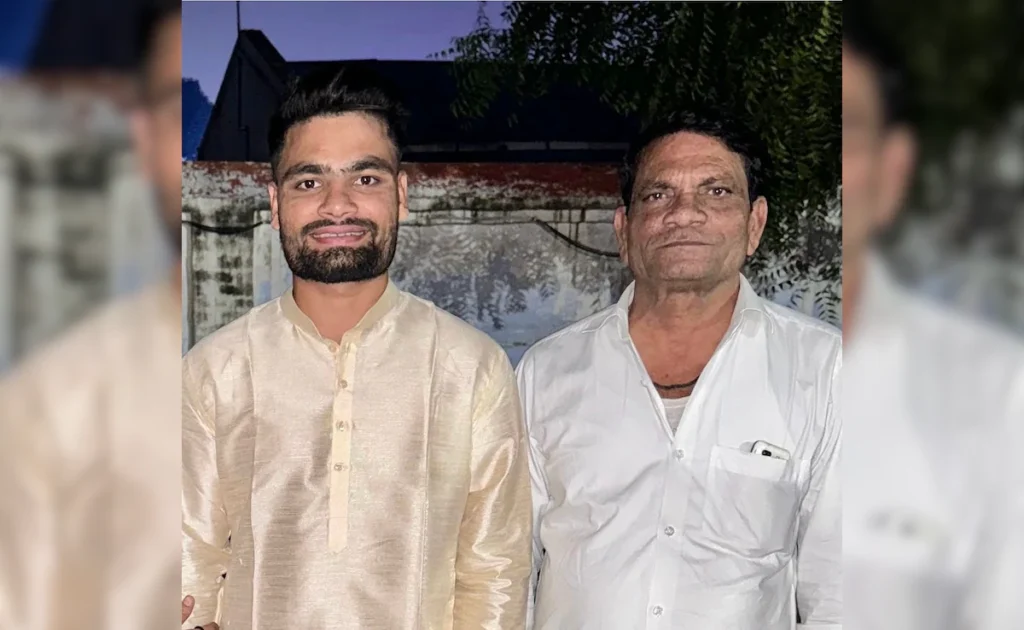
Indian cricketer Rinku Singh’s father, Khanchand Singh, recently passed away following a tough battle with stage 4 liver cancer. This tragic news has brought national attention to this severe medical condition. Understanding stage 4 liver cancer, its aggressive symptoms, and available treatments is crucial for raising awareness today.
The Tragic Demise of Rinku Singh’s Father
Indian cricketer Rinku Singh is currently mourning a profound personal loss. His father, Khanchand Singh, passed away at a hospital in Greater Noida on Friday morning. The underlying cause of this tragic event was a prolonged struggle with stage 4 liver cancer.
Dr. Sunil Kumar, a spokesperson for Yatharth Hospital in Greater Noida, confirmed the medical details. He stated that the patient’s condition had worsened significantly in recent days. Consequently, the family admitted him to the medical facility on February 21. Doctors placed him on ventilator support, but he breathed his last early Friday morning.
Upon hearing about his father’s rapidly deteriorating health, Rinku Singh left the ICC Men’s T20 World Cup camp. He rushed back home on Tuesday evening to stand by his family during this incredibly difficult time.
What is Stage 4 Liver Cancer?
Understanding the medical specifics of this disease is vital for general public awareness. Stage 4 liver cancer represents the most advanced and critical phase of the illness. Medical professionals also refer to this specific condition as metastatic liver cancer.


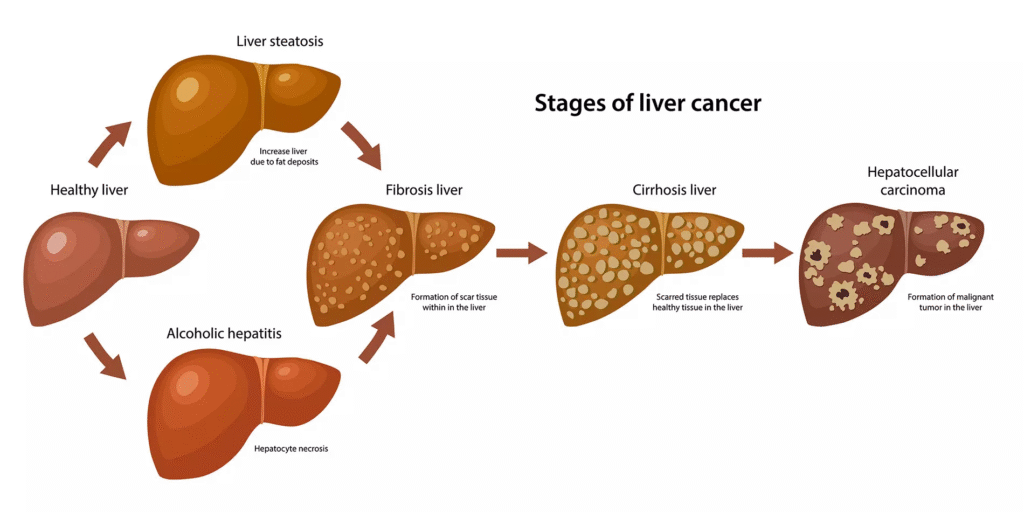
At this severe juncture, the cancer aggressively spreads beyond the primary organ. The malignant cells travel from the liver to other vulnerable parts of the body. Common sites for this metastasis include the lungs, bones, or nearby lymph nodes. This extensive spread clearly indicates a highly aggressive cancer that poses massive treatment challenges for oncologists.
The Four Stages of Liver Cancer Progression
The liver serves as a critical organ, yet it remains highly susceptible to serious conditions. Medical experts typically categorize liver cancer progression into four distinct stages:
- Stage 1: The tumor remains localized strictly within the liver. It has not reached the surrounding blood vessels or lymph nodes.
- Stage 2: The tumor grows larger in size. It might invade nearby blood vessels while still remaining confined to the liver.
- Stage 3: The cancer advances dangerously into nearby lymph nodes or major blood vessels. This shift shows a much more extensive disease state.
- Stage 4: The cancer successfully reaches distant organs and tissues. This is the definitive metastatic phase.
Recognizing Symptoms of Stage 4 Liver Cancer
Unfortunately, medical professionals rarely diagnose liver cancers during their earliest and most treatable phases. Symptoms typically remain entirely hidden until the disease reaches a highly advanced state.
Patients battling stage 4 liver cancer experience severe and often debilitating symptoms. These physical signs vary significantly based on where the cancer has spread. Common indicators include noticeable jaundice and rapid, unexplained weight loss. Patients also suffer from a severe loss of appetite and extreme daily fatigue.
Abdominal pain, swelling, and severe bloating are frequent complaints in hospital wards. If the cancer spreads to the skeletal system, patients frequently experience deep bone pain and unexpected fractures. Additionally, shortness of breath and sudden changes in mental state, known medically as hepatic encephalopathy, can occur.
Treatment Options and Medical Management
Medical science generally does not consider stage 4 liver cancer curable. Instead, oncologists firmly focus their treatment strategies on controlling the disease progression. The primary medical goals involve prolonging life and improving the patient’s overall quality of life.
Doctors utilize several systemic therapies to combat the rapidly spreading cells. Chemotherapy often works in tandem with other strong medications. Targeted therapy uses highly specific drugs to attack unique vulnerabilities of the cancer cells. Furthermore, immunotherapy actively helps the patient’s immune system recognize and destroy malignant cells.


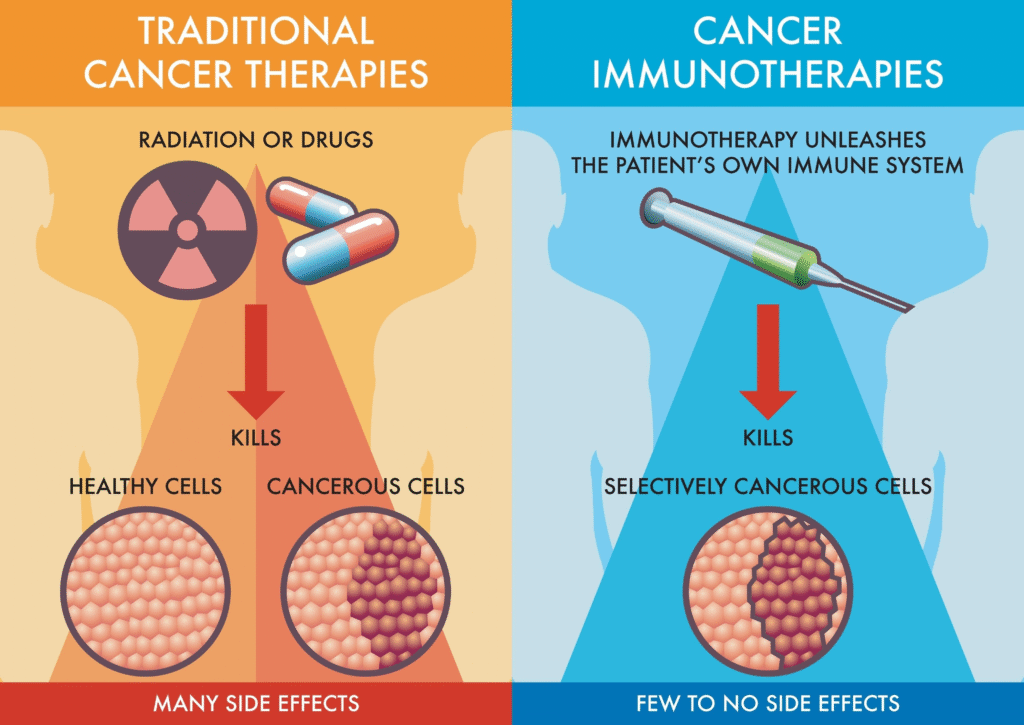
Medical teams also deploy localized treatments when appropriate for the patient. Radiofrequency ablation (RFA) uses intense, focused heat to destroy localized cancer cells. Transarterial Chemoembolisation (TACE) delivers targeted chemotherapy directly to the tumor while simultaneously cutting off its crucial blood supply.
The Crucial Role of Supportive Care
Beyond aggressive medical interventions, supportive care plays a massively vital role in managing advanced cancer. Palliative care teams work tirelessly to manage chronic pain and alleviate severe symptoms. They aim to improve the daily quality of life and actively reduce the immense psychological stress associated with a terminal illness.
In highly select medical cases, a liver transplant might emerge as a viable clinical option. However, the patient must meticulously meet strict medical criteria and possess absolutely no other major health complications.
Survival Rates and Overall Medical Outlook
Statistical data paints a sobering picture regarding advanced liver disease. Current research indicates that the five-year survival rate sits around 14% if the cancer spreads only locally. This figure dramatically drops to roughly 3% if the malignancy reaches distant organs.
However, these survival statistics only provide a broad, general overview. They do not account for rapidly emerging medical treatments or individual patient factors. A patient’s age, overall health baseline, remaining liver function, and physical response to specific treatments heavily influence their final medical outlook.
While stage 4 liver cancer remains a formidable and tragic diagnosis, medical advancements continue to slowly evolve. Individualized treatment plans and dedicated supportive care remain essential for ethically managing this severe condition.
To learn more, follow Shabdsanchi’s social media pages today and stay updated.
- Facebook: shabdsanchi
- Instagram: shabdsanchiofficial
- YouTube: @shabd_sanchi
- Twitter: shabdsanchi