




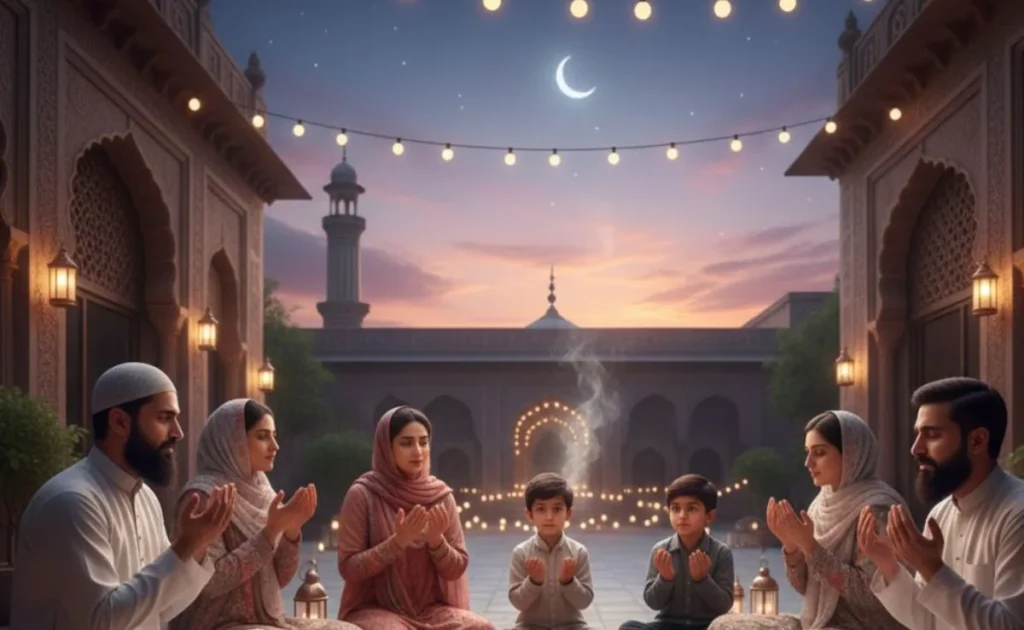
The Islamic holy month of Ramadan 2026 is approaching, marking a period of deep spiritual reflection, communal harmony, and disciplined fasting for millions of Muslims across India and the globe. While the exact commencement depends on the sighting of the crescent moon, astronomical calculations provide a reliable window for preparations. This sacred month remains a cornerstone of Islamic faith and practice.
Anticipated Dates for Ramadan 2026
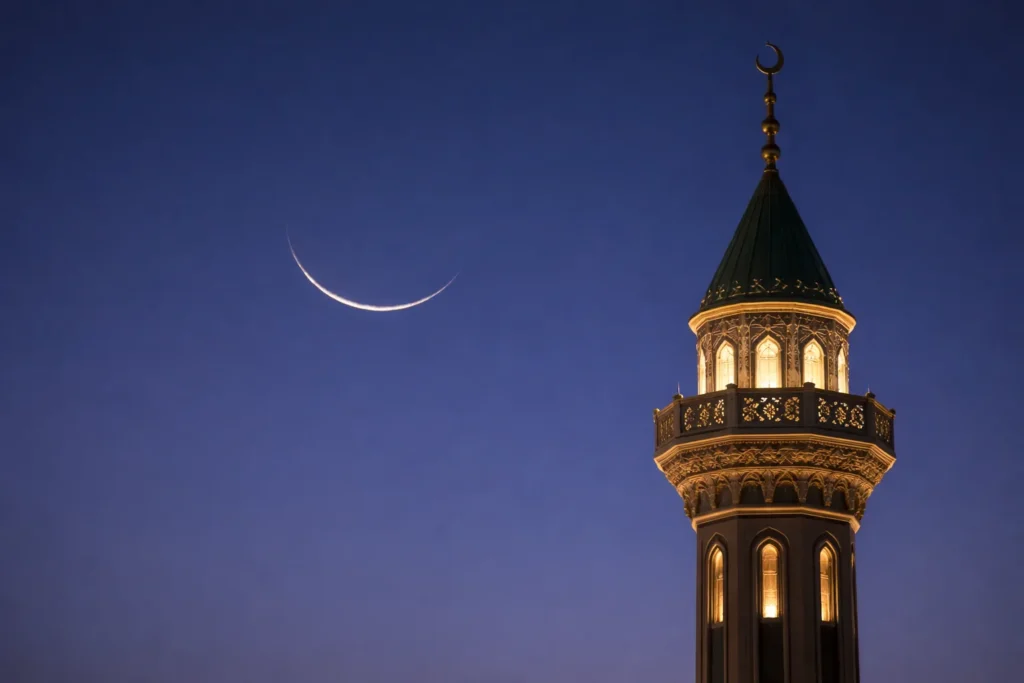
Based on the lunar Hijri calendar, Ramadan 2026 is projected to begin on the evening of February 18, 2026, with the first day of fasting observed on February 19. However, the traditional “Moonsighting” (Ruet-e-Hilal) remains the final authority. If the crescent is sighted on the 29th of Shaban, the fasts begin the next day; otherwise, Shaban completes 30 days.


Why the Dates Shift Every Year
Unlike the Gregorian solar calendar, the Islamic calendar follows the lunar cycle. A lunar year is roughly 354 days, making it about 11 days shorter than the solar year. Consequently, Ramadan cycles through the seasons over a 33-year period. Interestingly, by 2030, the world will witness two Ramadans in a single solar year—one in January and another in late December.
The Historical Revelation at Hira
The roots of Ramadan trace back to 610 CE. It was during this month that the Prophet Muhammad (PBUH) received the first divine revelations of the Quran while meditating in the Cave of Hira, located on the Jabal al-Nour mountain near Mecca. This event, known as Laylat al-Qadr (the Night of Power), is commemorated during the final ten nights of the month.

The Five Pillars and Religious Mandate
Fasting, or Sawm, is one of the five foundational pillars of Islam. It became a compulsory obligation (Fard) for adult Muslims in the second year of the Hijra. The practice is not merely about physical deprivation but is a comprehensive exercise in self-restraint. It requires abstaining from food, liquids, smoking, and impure thoughts from the break of dawn (Fajr) until sunset (Maghrib).
Spiritual Significance: Beyond the Fast
The primary goal of Ramadan is to attain Taqwa—a state of God-consciousness. By experiencing hunger and thirst, believers are reminded of the plight of the less fortunate. This fosters a spirit of empathy and encourages Zakat (charity) and Sadaqah (voluntary alms). It is a time for “Tazkiya,” or the purification of the soul, through increased prayers and Quranic recitation.
Daily Rituals: Suhoor and Iftar
A typical day during Ramadan begins with Suhoor, the pre-dawn meal that provides the energy needed for the day. In India, traditional items like dates, fruits, and protein-rich foods are preferred. The fast is broken at sunset with Iftar, often starting with a single date and water, followed by a communal feast. In major Indian cities like Delhi, Hyderabad, and Mumbai, Iftar becomes a grand social event where people of all faiths often participate.
Taraweeh and Nightly Devotion
Apart from the five daily prayers, special congregational prayers called Taraweeh are held at mosques every night during Ramadan. During these sessions, the entire Quran is recited over the course of the month. This nightly ritual strengthens the bond of the community and provides a dedicated space for spiritual rejuvenation.
Cultural Nuances Across the Globe
While the core religious practice remains identical, cultural expressions vary. In Egypt, “Fanous” (colorful lanterns) light up the streets. In Indonesia, many perform “Padusan,” a ritual bath to purify the body before the month begins. In the Indian subcontinent, the “Sehri-wallas” or drummers—though declining in number—traditionally walked through neighborhoods to wake people for the pre-dawn meal.
Health Benefits and Modern Observance
Scientific studies often highlight the benefits of intermittent fasting, such as improved insulin sensitivity and cellular repair. However, for Muslims, these are secondary to the spiritual rewards. Modern challenges, such as long working hours and summer heat in some regions, are met with resilience and community support systems that emphasize the psychological strength gained during this month.
Eid al-Fitr
The month-long devotion culminates in the festival of Eid al-Fitr. It is a day of joy, where the “Fitrana” (charity) is given to ensure the poor can also celebrate. The transition from the discipline of Ramadan to the festivities of Eid symbolizes the success of the believer in completing a month of rigorous spiritual training.
To learn more, follow Shabdsanchi’s social media pages today and stay updated.
- Facebook: shabdsanchi
- Instagram: shabdsanchiofficial
- YouTube: @shabd_sanchi
- Twitter: shabdsanchi