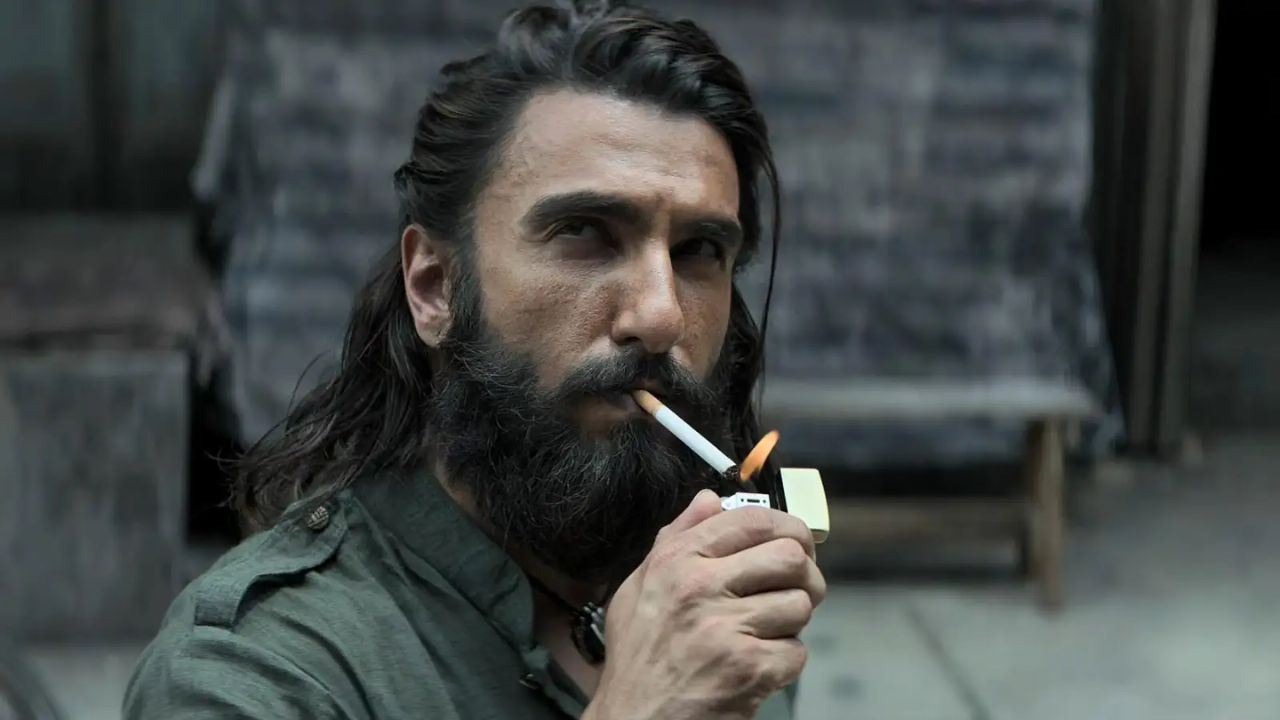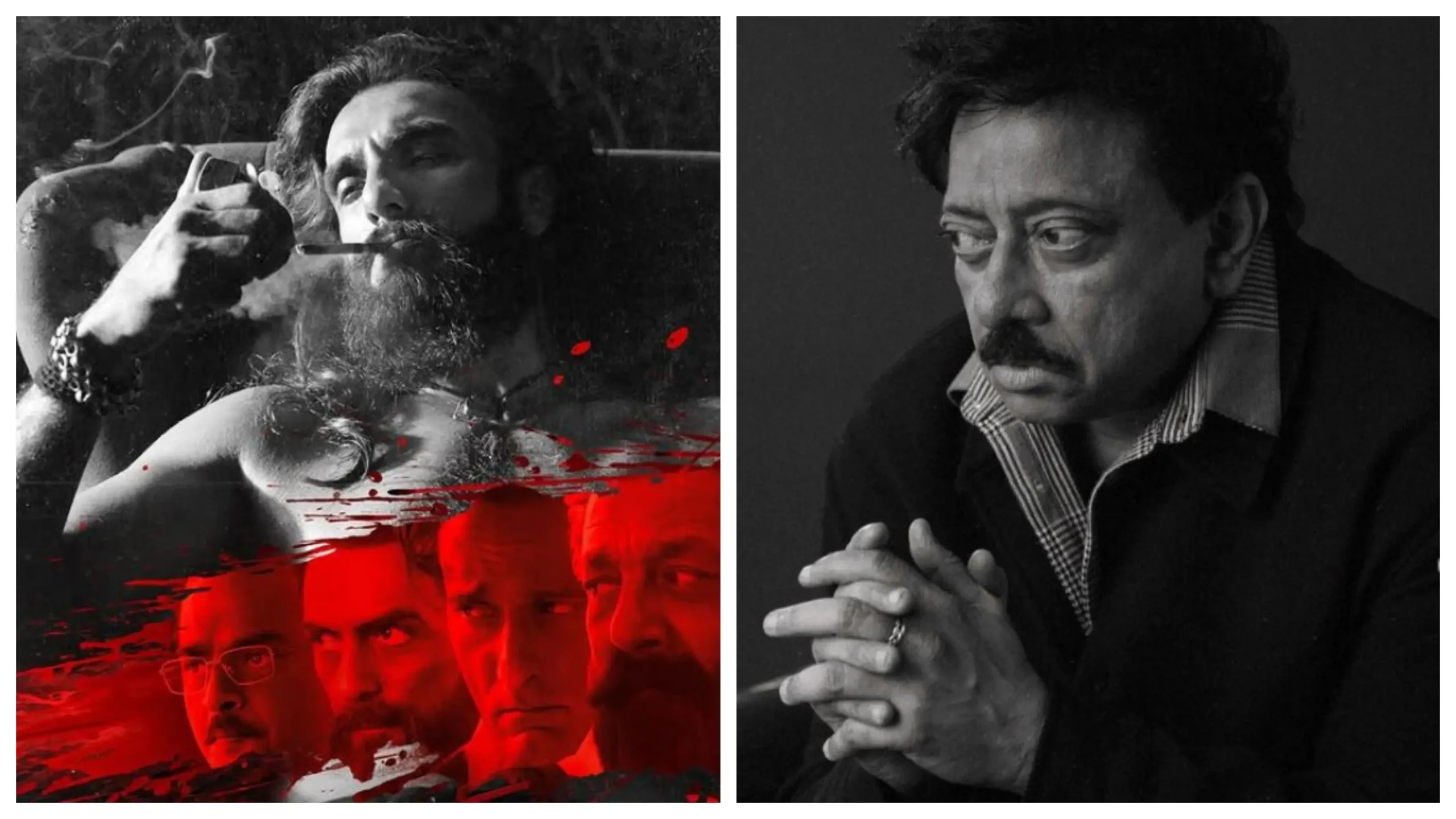
Veteran filmmaker Ram Gopal Varma has shared his unvarnished thoughts on Aditya Dhar’s latest directorial release. In the detailed Ram Gopal Varma Dhurandhar 2 review, he labels the Ranveer Singh starrer a “horror” for directors who rely on loud, outdated, and physics-defying masala cinema, praising its grounded approach.
The Core of the Ram Gopal Varma Dhurandhar 2 Review
Released in theatres on March 19, Dhurandhar 2 has already begun sparking intense conversations across the Indian film industry. A day after its theatrical debut, Ram Gopal Varma took to social media to share a comprehensive analysis of the film. However, instead of a traditional critique of the storyline, Varma positioned the film as a disruptive force. He explicitly stated that the movie serves as a nightmare for filmmakers who have built massive fortunes on “dumbed down, over the top cinema.”
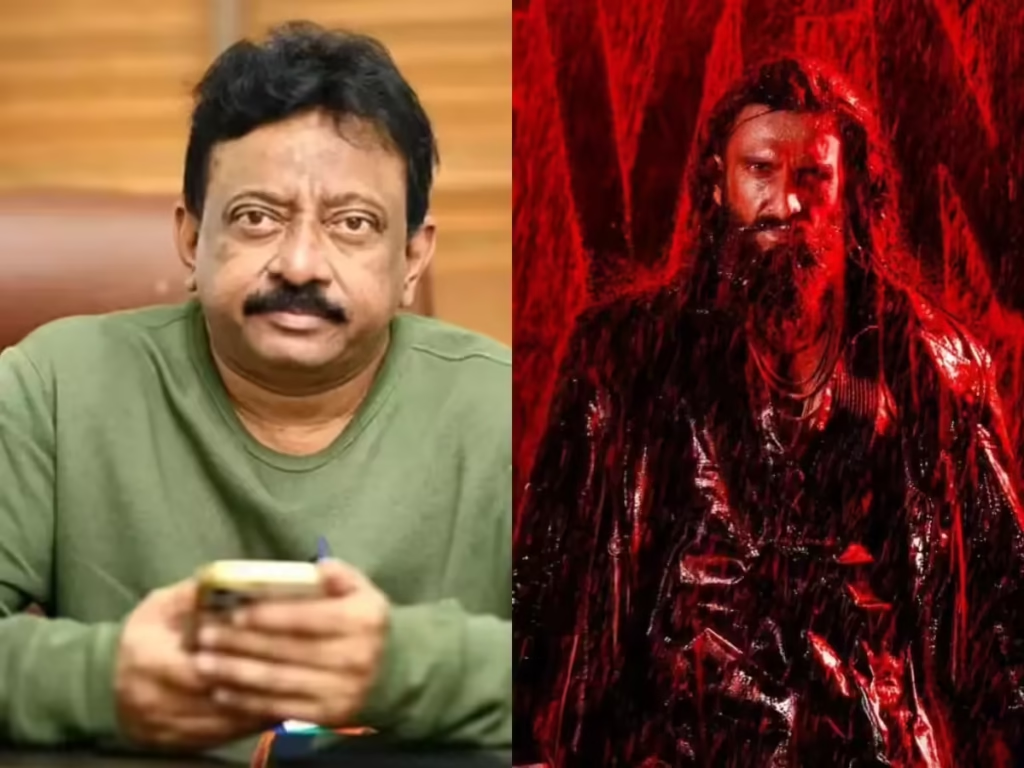
According to the veteran director, the era of movies that demand audiences to leave their brains at home is rapidly coming to an end. He noted that the loud, masala-heavy narratives forced upon viewers are now struggling for survival. This strong assertion forms the foundation of the Ram Gopal Varma Dhurandhar 2 review, indicating a massive shift in audience consumption patterns.
A Shift from Invincible Gods to Flawed Protagonists
For decades, mainstream Indian cinema has heavily relied on the trope of the invincible hero. These larger-than-life characters rarely sustain injuries, face realistic emotional turmoil, or exhibit genuine vulnerability. Varma argues that Dhurandhar 2 completely dismantles this outdated archetype. He highlighted that Ranveer Singh’s portrayal in the film effectively “killed” the concept of the painless, bleeding-immune protagonist.
In this new cinematic landscape, heroism is born from action and consequence, rather than forced glorification through ear-shattering background scores. The review emphasizes that the newly introduced protagonist is deeply flawed, unpredictable, and dangerous. Consequently, Varma believes that traditional “godly” heroes will now appear ridiculous, comparing them to clowns in a circus. He suggests that the blind followers of such cinema will soon feel alienated by changing box office trends.
The End of Physics-Defying Action Sequences
Action choreography in Indian cinema has long been criticized for its lack of realism. Men flying fifty feet in the air, bouncing off the ground, and delivering punchlines after surviving massive explosions have become standard industry templates. Varma’s critique sharply addresses this phenomenon. He warns that Dhurandhar 2 will terrify directors who treat physics as a joke and operate in a cinematic universe devoid of gravity.
The filmmaker observed that once audiences experience action sequences that visibly hurt and cause actual bleeding, the traditional “flying goon brigade” will feel fake and embarrassing. Directors who heavily rely on wirework and cranes to artificially elevate their heroes will now face severe rejection from modern viewers. This shift toward gritty, grounded combat is portrayed as a necessary evolution for the survival of the action genre in India.
Aditya Dhar’s Vision and Audience Intelligence
Moving beyond physical action, Varma also directed his critique toward filmmakers who prioritize superficial style over narrative substance. He specifically called out “pan-India directors” who believe compelling characters can be crafted using stylized hairdos, designer costumes, and digitally enhanced physiques. In contrast, he praised director Aditya Dhar for focusing on intrinsic psychological depth.
When the audience witnesses a hero whose true power stems from his intellect rather than his biceps, the purely cosmetic school of filmmaking begins to look amateurish. Varma credited Dhar with successfully cutting off the head of cinema that actively insults the intelligence of its viewers. By replacing bloated, gaudy visuals with a story-first approach, Dhurandhar 2 actively respects the cognitive abilities of the modern ticket-buyer.
Box Office Verdict and the Road Ahead for Indian Cinema
Varma did not mince words when discussing the financial implications of this release. He described Dhurandhar 2 not merely as a film, but as a final verdict on a dying style of filmmaking. The strong box office collections, according to Varma, are currently burying the outdated beliefs of traditional filmmakers. He poetically noted that the sound of the film’s financial success is the collective announcement of the death of formulaic cinema.
Concluding his extensive note, Varma issued a stark warning to producers and directors currently working on similar outdated projects. He advised those with films under production to return to the drawing board immediately. He strongly recommended that they watch Dhurandhar 2 multiple times to understand the shifting paradigm. However, he also posed a rhetorical question regarding whether these well-funded makers could ever replicate the sharp cinematic brain of Aditya Dhar.
To learn more, follow Shabdsanchi’s social media pages today and stay updated.
- Facebook: shabdsanchi
- Instagram: shabdsanchiofficial
- YouTube: @shabd_sanchi
- Twitter: shabdsanchi