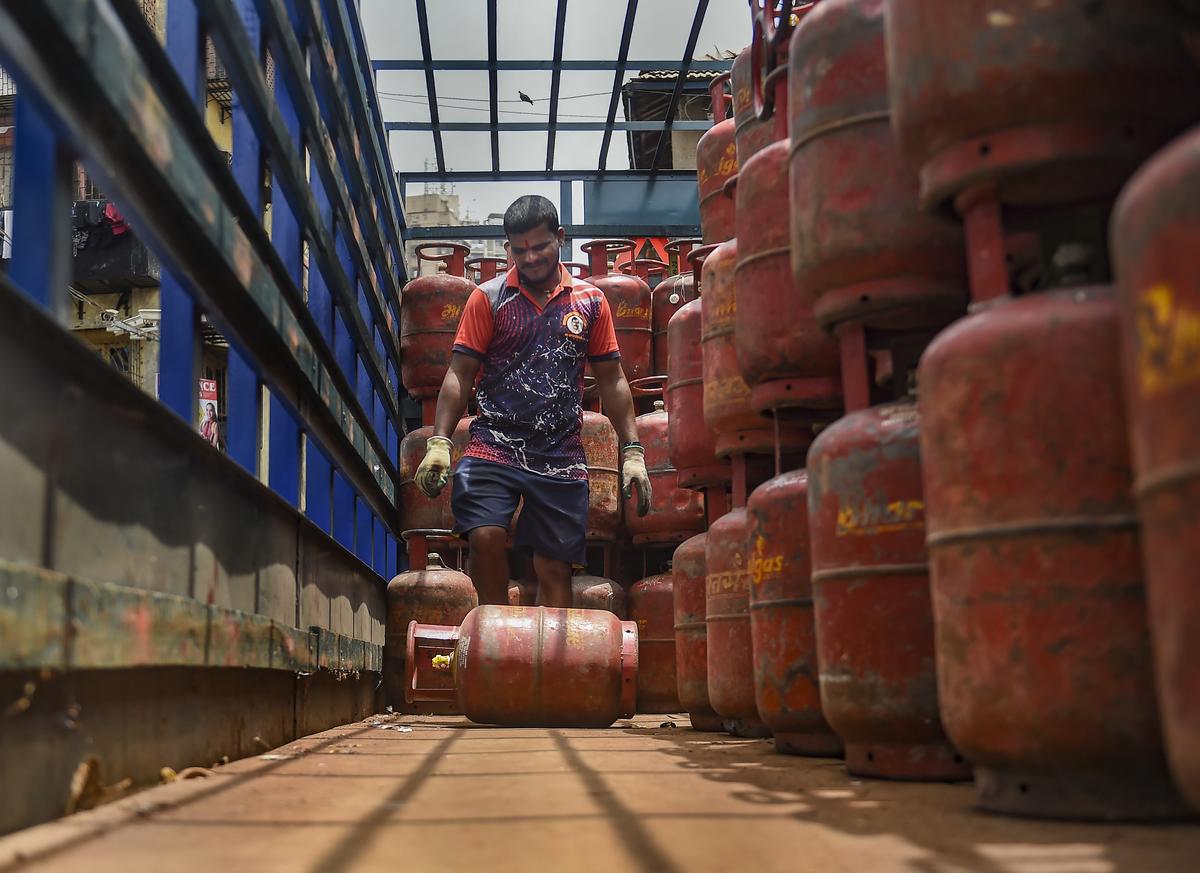
The Central government has significantly revised the annual LPG quota for beneficiaries of its flagship clean cooking fuel program. Under the updated guidelines, the PM Ujjwala Yojana subsidy limit has been capped at four cylinders per fiscal year, replacing the previous allocation of nine refills. This decision comes in response to sharp fluctuations in international energy markets.
Global LPG Price Surge Triggers Quota Revision
According to official data, liquefied petroleum gas (LPG) benchmarks in the international market have escalated by nearly 46% over the recent quarters. This unprecedented rise in procurement costs has significantly increased the fiscal burden on state-run oil marketing companies.
To manage the rising under-recoveries while maintaining the targeted welfare net, the Ministry of Petroleum and Natural Gas reviewed the existing distribution framework. The readjustment aims to balance fiscal sustainability with the delivery of essential energy subsidies to vulnerable households.
Read Also: IND-W vs WI-W: India Women Begin T20 World Cup Preparations with Mixed Start Against West Indies
Understanding the New PM Ujjwala Yojana Subsidy Limit
Under the newly implemented structure, eligible households will receive the direct benefit transfer (DBT) for only four refills of 14.2 kg cylinders in a calendar year. Previously, the government supported up to nine subsidised cylinders annually, which allowed families more flexibility in their monthly consumption.
Important Note: Any requirement beyond the four-cylinder threshold will have to be purchased at the prevailing non-subsidised market rates.
Consumers can track their updated subsidy status and refill alignment through their registered mobile numbers or by visiting the official PMUY Portal.
Impact on Rural Households and Consumption Patterns
The reduction in the subsidized quota is expected to influence fuel consumption habits across rural and semi-urban India. Energy experts suggest that while the average annual consumption of a Ujjwala beneficiary stands between four to five cylinders, the cap might restrict additional usage during festive seasons.
- Average Household Consumption: 4.3 cylinders per year.
- Impact Area: High-demand months might see a return to traditional biomass if market prices remain volatile.
- Government Stance: The policy ensures that core cooking needs are met without encouraging commercial diversion of subsidized domestic gas.
For a broader understanding of how these welfare distribution systems operate, you can read our detailed guide on India’s Direct Benefit Transfer Scheme.
Fiscal Adjustments Amid Oil Market Volatility
The decision reflects India’s vulnerability to global crude oil and petroleum product pricing structures. Since India imports more than 85% of its LPG requirements, geopolitical tensions and supply chain disruptions immediately impact domestic retail pricing.
+--------------------------+-----------------------+----------------------+
| Framework Component      | Previous Policy       | New Revised Policy   |
+--------------------------+-----------------------+----------------------+
| Subsidised Cylinders/Yr  | 9 Refills             | 4 Refills            |
| Global Price Impact      | Baseline Pricing      | 46% Cost Increase    |
| Beyond Cap Pricing       | Market Rate           | Market Rate          |
+--------------------------+-----------------------+----------------------+
By restricting the subsidy pool, the government aims to prevent fiscal slippage in the current financial year. Officials clarify that the financial quantum per subsidized cylinder remains unchanged; only the frequency of the subsidized supply has been capped.
Logistics and Implementation Framework
Oil marketing companies (OMCs), including Indian Oil Corporation, Bharat Petroleum, and Hindustan Petroleum, have updated their software systems to reflect the new allocation structure. Distributors across the country have been instructed to inform beneficiaries during their next refill delivery.
To learn more about related welfare adjustments, see our coverage on Domestic LPG Price Trends and Revisions.
The technical transition is expected to be seamless, with the automated central subsidy management system tracking the consumption history of each unique consumer ID dynamically.
Read Also: TMC MP Split News: 20 MPs Reportedly Seek Separate Group Recognition in Lok Sabha
FAQs
What is the new PM Ujjwala Yojana subsidy limit for annual refills?
The Central government has capped the PM Ujjwala Yojana subsidy limit at four cylinders per fiscal year. Previously, beneficiaries were entitled to nine subsidised refills annually. Any additional cooking gas requirements beyond these four refills will have to be purchased at standard, non-subsidised market rates.
How much subsidy will a beneficiary get per cylinder under the revised rules?
The targeted financial assistance remains unchanged at ₹300 per 14.2 kg cylinder. This cash benefit is transferred directly via the Direct Benefit Transfer (DBT) system into the linked bank account of the beneficiary after each successful refill purchase, up to the four-cylinder ceiling.
Why did the government reduce the subsidised cylinder quota from nine to four?
The revision follows a steep 46% surge in international LPG benchmark rates (such as the Saudi Contract Price), triggered by geopolitical instabilities and maritime disruptions in the West Asia region. The government restricted the quota to lower the mounting under-recovery losses borne by state-run oil marketing companies (OMCs).
Will non-Ujjwala consumers be affected by this quota reduction?
No, this specific quota restriction applies strictly to Pradhan Mantri Ujjwala Yojana (PMUY) connections. However, general or domestic non-Ujjwala consumers are affected by the broader retail market price revisions, such as the recent increase that raised the price of a 14.2 kg cylinder to ₹942 in Delhi.
How can I check how many subsidised cylinders I have left?
Beneficiaries can monitor their remaining subsidised cylinder quota by logging into the official PMUY portal, using integrated OMC mobile applications, or verifying their consumption statements directly at their registered local gas distribution agency.
For more information, follow Shabdsanchi‘s social media pages today and stay updated.
- Facebook: shabdsanchi
- Instagram: shabdsanchiofficial
- YouTube: @shabd_sanchi
- Twitter: shabdsanchi