




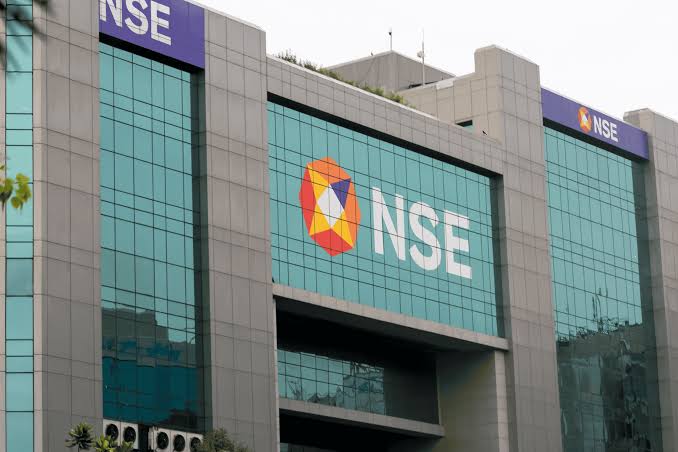
The (National Stock Exchange) NSE IPO is one of the most anticipated market events. As India’s largest exchange platform opens its subscription window, retail investors have an opportunity to acquire ownership in the market infrastructure provider. However, evaluating an issue of this scale requires looking beyond market buzz to examine valuation, issue structure, and regulatory requirements.
NSE IPO 2026 Overview and Key Dates
The NSE IPO 2026 opens for subscription on 17 September 2026 and closes on 21 September 2026. The basis of allotment is expected to be finalized on 22 September 2026, with the official NSE IPO listing scheduled for 24 September 2026.
Key Metrics at a Glance
| Parameter | Details |
|---|---|
| IPO Subscription Window | 17 September 2026 – 21 September 2026 |
| NSE IPO Price Band | ₹1,700 to ₹1,785 per share |
| Minimum Lot Size | 8 equity shares |
| NSE IPO Minimum Investment | ₹14,280 (at the upper price band) |
| Total Issue Size | ₹22,561.57 Crore (Up to 12.64 Crore shares) |
| Listing Exchange | BSE Limited |
At the upper price band of ₹1,785, the minimum retail application requires an investment of ₹14,280 for a lot of 8 shares. Retail investors can apply for up to 14 lots (112 shares), totaling ₹1,99,920.
Understanding the Offer for Sale (OFS) Structure
The entire National Stock Exchange IPO issue is structured as an Offer for Sale (OFS) of up to 12.64 crore equity shares.
- No Fresh Proceeds for NSE: Because this issue is 100% OFS, the proceeds go entirely to the selling shareholders. NSE itself does not receive fresh capital for expansion.
- Participating Selling Shareholders: Key institutions offloading part of their stake include the State Bank of India (SBI Group offloading ~1.60 crore shares), Canada Pension Plan Investment Board (CPPIB), Bank of Baroda, GIC Re, and public sector insurance entities.
How Strong Is NSE’s Market Position and Financial Performance?
Before taking a position in any equity issue, evaluating core fundamentals and revenue streams is critical.
Market Dominance Across Segments
The National Stock Exchange holds a command position in the Indian capital markets:
- Cash Market Turnover: ~92.99% market share in FY2026.
- Equity Futures: ~99.79% market share in FY2026.
- Equity Options Premium Turnover: ~74.71% market share in FY2026.
Financial Snapshot
For the quarter ending June 2026 (Q1 FY27), NSE reported a solid operational performance:
- Operating Revenue: ₹4,560 crore (up from ₹4,032 crore in June 2025).
- Net Profit (PAT): ₹3,121 crore (up from ₹2,811 crore in June 2025).
On a full-year basis, NSE generated ₹16,601 crore in operating revenue and ₹10,302 crore in net profit for FY26.
How Retail Investors Can Participate via ASBA and UPI
Retail investors can apply through their bank accounts using the Application Supported by Blocked Amount (ASBA) facility or via supported UPI handles through registered stockbrokers.
Why Is NSE Listing on BSE?
Regulatory guidelines mandate that a stock exchange cannot list its own shares on its trading platform to avoid conflicts of interest. Consequently, the NSE IPO BSE listing ensures independent oversight and regulatory administration by a neutral exchange.
Risks and Strategic Factors Before Taking a Position
While NSE’s scale is unmatched, retail investors should carefully consider the underlying risks outlined in the Red Herring Prospectus (RHP):
- Regulatory Changes: Regulatory adjustments on derivative lot sizes, transaction charges, or margin rules directly impact trading volumes and transaction-based revenues.
- Pre-IPO Shareholder Lock-in Expiry: The six-month lock-in period for pre-IPO investors could lead to additional supply in the secondary market once the lock-in expires.
- No Capital Inflow: As an OFS issue, company cash flows do not increase as a result of the IPO.
Investors should evaluate whether their objective is short-term listing gains or long-term participation in India’s market growth.
Frequently Asked Questions (FAQs)
Q1: What is the NSE IPO date and subscription window?
A1: The NSE IPO opens for public subscription on September 17, 2026, and closes on September 21, 2026. Shares are scheduled to be allotted on September 22, 2026, with the official listing expected on September 24, 2026, on the BSE exchange platform.
Q2: What is the NSE IPO price band and lot size?
A2: The NSE IPO price band is fixed between ₹1,700 and ₹1,785 per equity share with a face value of ₹1. The minimum bid lot size is 8 shares, requiring a minimum retail investment of ₹14,280 at the upper price band.
Q3: Why is the NSE IPO structured entirely as an Offer for Sale (OFS)?
A3: The issue is a 100% OFS of 12.64 crore shares, allowing existing shareholders like State Bank of India and Canada Pension Plan Investment Board to monetize their investments. The exchange itself receives no proceeds from the public offering.
Q4: Why will NSE shares list on BSE instead of NSE?
A4: Under Indian capital market regulations, a stock exchange cannot list its equity shares on its own platform to avoid self-regulation conflicts. Therefore, NSE shares will list and trade exclusively on the Bombay Stock Exchange (BSE).
Q5: How can retail investors apply for the NSE IPO?
A5: Retail investors can apply online using ASBA through internet banking or via UPI-enabled trading platforms. Bidders can apply for a maximum of 14 lots (112 shares) under the retail category to remain within the ₹2 lakh investment cap.
Conclusion
The National Stock Exchange IPO represents a significant opportunity to invest in the backbone of India’s capital market infrastructure. Backed by market share in cash and derivatives segments, robust operating revenues, and profit margins, NSE presents a strong fundamental profile. However, because the issue is entirely an Offer for Sale, capital stays with exiting shareholders rather than fueling corporate balance sheet growth. Retail investors should carefully weigh these operational strengths against regulatory risk factors, valuation levels, and their own investment horizon before placing their bids.