




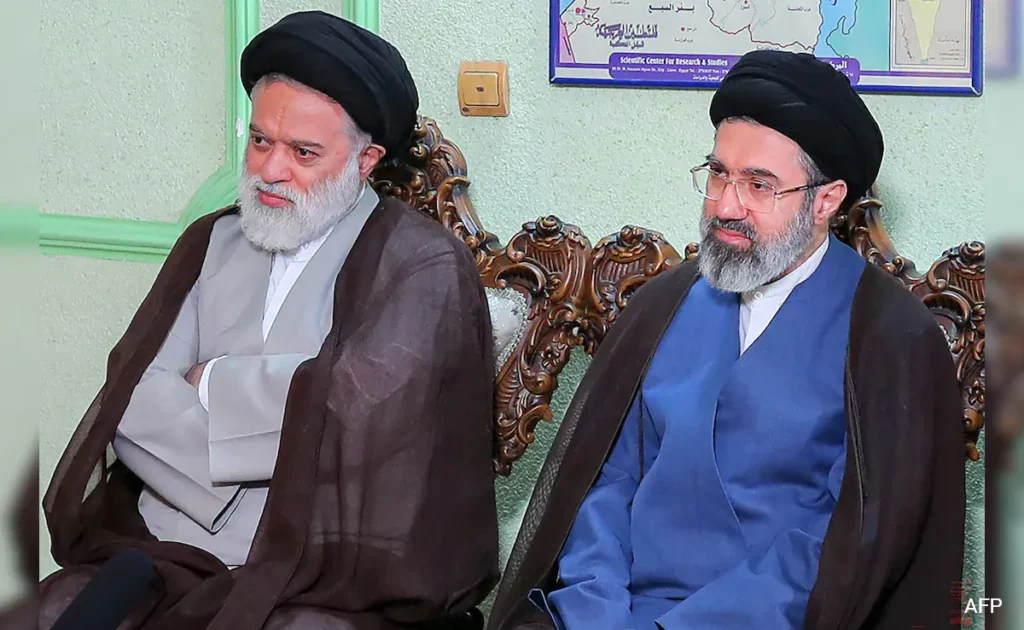
The Assembly of Experts has officially named Mojtaba Khamenei Supreme Leader of Iran. He succeeds his late father, Ayatollah Ali Khamenei. This crucial power transition occurs as Tehran expands its military operations across the Middle East, striking vital oil and water facilities.
Mojtaba Khamenei Supreme Leader: A Shift in Power
Authorities in Dubai announced the historic leadership change on Monday. The Iranian theocracy has faced relentless pressure from the U.S. and Israel for over a week. In response, the country’s Assembly of Experts selected the 56-year-old cleric to lead the nation. Mojtaba Khamenei had not appeared publicly since the regional conflict escalated.
Many political analysts considered him a top contender for the role for years. This speculation existed even before the recent Israeli strike killed his father on February 28. Notably, the younger Khamenei takes power despite never holding an elected or appointed government position.
Strong Ties to the Revolutionary Guard
The new leader maintains deep, secretive ties with Iran’s paramilitary Revolutionary Guard. This powerful military faction has aggressively fired missiles and drones at Israel and Gulf Arab states recently. Top clerics likely prioritized his selection to ensure continuity in prosecuting the ongoing war.


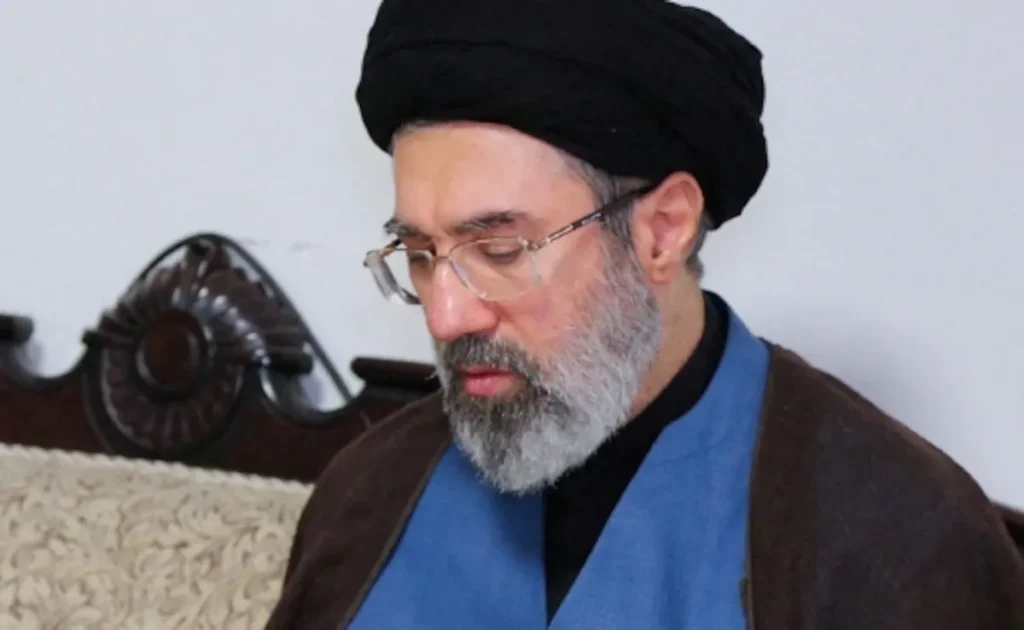
Top Iranian security official Ali Larijani praised the Assembly of Experts for their swift decision. Speaking to state television, he commended them for convening courageously despite ongoing airstrikes in Tehran. Larijani emphasized that the younger Khamenei received direct training from his father and can handle the current crisis.
Internal Dissension and Nuclear Ambitions
The succession process faced some domestic friction. Several Iranian political figures criticized the move toward a hereditary leadership model. They argued it creates a clerical version of the shah’s rule, which the 1979 Islamic Revolution explicitly abolished.
Khamenei reportedly holds views more hard-line than his predecessor. He now controls Iran’s armed forces and dictates the country’s nuclear program. U.S. airstrikes recently damaged key nuclear sites during the 12-day June conflict. However, Iran still possesses highly enriched uranium. Experts fear Khamenei might actively pursue a nuclear weapon, a step his father never formally took.
Saudi Arabia Issues Stark Warnings
Regional tensions are reaching a boiling point. The Arab League chief recently condemned Iran for its reckless policy of attacking neighboring countries. Meanwhile, the U.S. military confirmed a service member died from injuries sustained during an Iranian attack in Saudi Arabia.


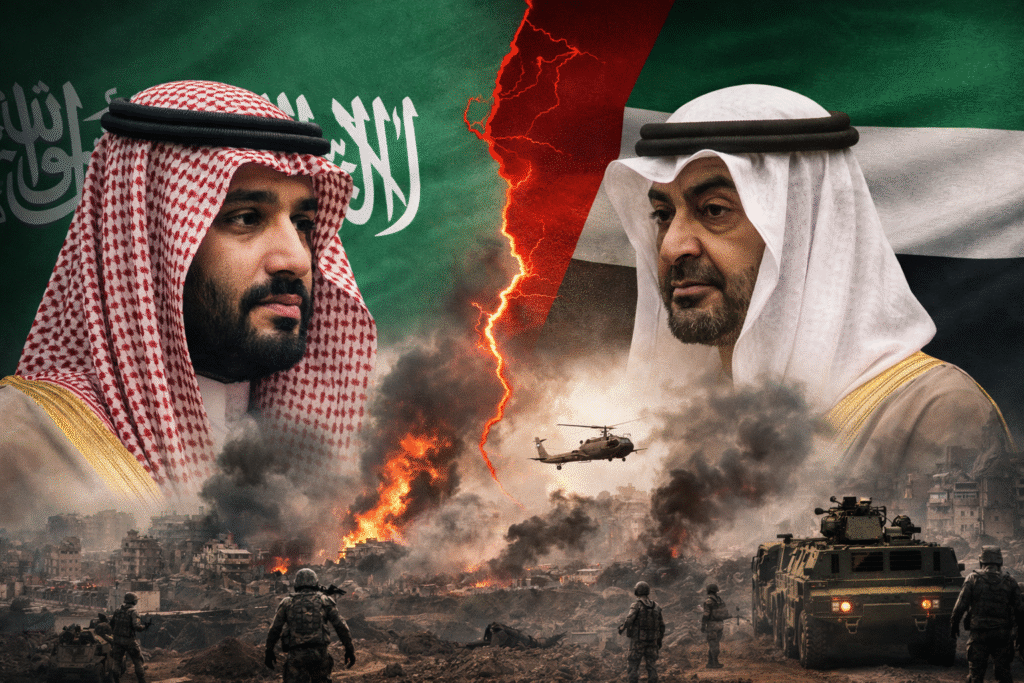
The Saudi Defense Ministry intercepted a drone targeting the massive Shaybah oil field on Monday. Following this incident, Riyadh warned Iran that it would be the “biggest loser” if attacks continued. Saudi officials dismissed claims by Iranian President Masoud Pezeshkian that Tehran had halted its Gulf strikes. They labeled Iran’s aggression as devoid of any factual basis.
Diplomatic Evacuations and Energy Crisis
The diplomatic fallout continues to grow. U.S. officials stated the State Department will order nonessential personnel to leave Saudi Arabia. Eight other U.S. diplomatic missions across the Middle East have already ordered non-key staff to evacuate.
Simultaneously, the conflict has severely disrupted global energy markets. Oil prices have pushed above $100 a barrel due to the instability. Natural gas supplies also tightened after Qatar suspended production. In Tehran, overnight Israeli strikes left oil depots smoldering. The Iranian Red Crescent Society warned residents about toxic air pollution and potential acid rain.
Water Infrastructure Under Direct Attack
A disturbing new tactic involves targeting essential water supplies. Bahrain accused Iran of indiscriminately damaging a local desalination plant. These facilities supply crucial drinking water to millions of desert residents.
Iran quickly countered, claiming a U.S. airstrike damaged a desalination plant on Qeshm Island. Iranian Foreign Minister Abbas Araghchi warned that the U.S. set a dangerous precedent. In response, U.S. Central Command firmly denied the accusation, stating American forces do not target civilians.
Deepening Humanitarian Crisis in Lebanon
The human cost of the multi-front war is staggering. Officials report at least 1,230 deaths in Iran and nearly 400 in Lebanon. Israel also reported its first soldier casualties in southern Lebanon during ground fighting with Hezbollah.
Lebanon currently faces a massive displacement crisis. Over half a million people have fled their homes in just one week. The actual number is likely much higher than official government registries indicate. In Beirut, desperate families are sleeping in cars, cramming into schools, or camping near the Mediterranean Sea.
To learn more, follow Shabdsanchi’s social media pages today and stay updated.
- Facebook: shabdsanchi
- Instagram: shabdsanchiofficial
- YouTube: @shabd_sanchi
- Twitter: shabdsanchi