



The Middle East faces renewed turmoil as Israel strikes Hezbollah targets across Lebanon. This decisive military action follows the Iran-backed group’s recent rocket and drone attacks on the Israeli city of Haifa. The sudden escalation threatens the fragile ceasefire established just 15 months ago, drawing widespread global concern.
Escalation in the Middle East: Israel Strikes Hezbollah
The conflict in the Middle East has taken a dramatic turn. Early Monday morning, the Israel Defense Forces (IDF) launched a powerful wave of air and naval strikes. These operations targeted Beirut’s southern suburbs, commonly known as Dahieh, and various locations in southern Lebanon.
The military action was a direct response to a barrage of rockets and drones launched by Hezbollah. The Shia group targeted a missile defense site south of the Israeli city of Haifa. Hezbollah officials stated the attack was retaliation for the assassination of Iran’s Supreme Leader Ayatollah Ali Khamenei.

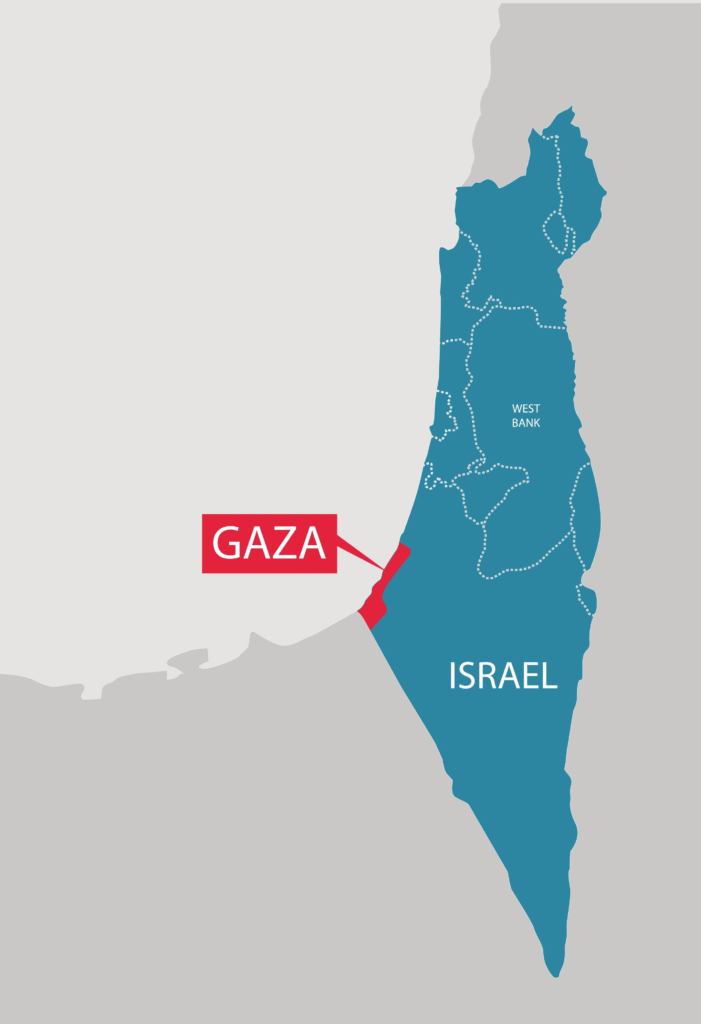
As Israel strikes Hezbollah strongholds, the geopolitical landscape of the region grows increasingly unstable. The joint US-Israeli attack on Iran’s leadership over the weekend has triggered a wider regional conflict. Hezbollah, possessing close financial and ideological ties to Iran, has now officially entered the fray.
Casualties and Heavy Damage in Lebanon
The human cost of the renewed fighting is already mounting. Lebanon’s disaster management unit reported that 52 people were killed by Israeli strikes on Monday alone. Smoke plumes filled the air above Dahieh, and several building fires erupted in the densely populated urban centers.
Roads near Beirut’s international airport suffered significant damage. Broken glass and debris lined the streets, complicating civilian movement. The sudden bombardment sparked panic, leading to mass displacement. Bumper-to-bumper traffic stretched along the main highways leading north as desperate residents fled the capital.
Zeinab, a local teacher, recounted the terrifying experience. She awoke to the sound of explosions shaking her home. Fearing for her life, she and her daughter fled on foot, uncertain of their destination. Zeinab expressed deep exhaustion and anger over being dragged into yet another war.
Israeli Defense Forces Respond Forcefully
The Israeli government has taken a strict stance against the latest aggression. Defense Minister Israel Katz ordered the military to act forcefully against the Lebanese militia. He explicitly declared Hezbollah leader Naim Qassem a marked target for elimination.
During the retaliatory strikes, the IDF successfully hit senior Hezbollah operatives, command centers, and weapons stores. Reports indicate that Hussein Meklad, the head of Hezbollah’s intelligence headquarters, was killed in the bombardments. The IDF stated it hit more than 70 weapons storage facilities and missile launchers by Monday afternoon.

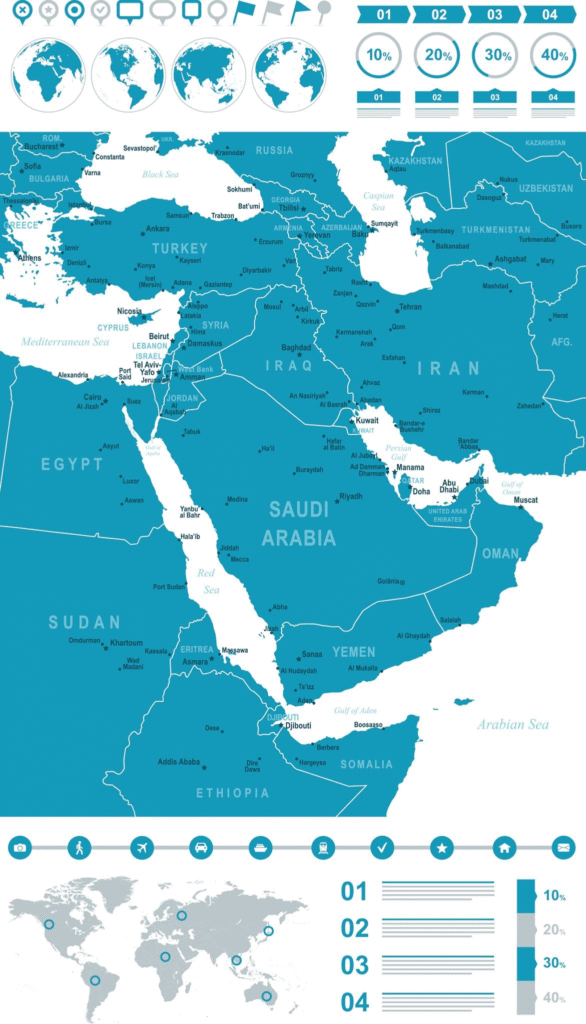
Furthermore, the Israeli military ordered residents of more than 50 southern and eastern Lebanese villages to evacuate immediately. The IDF warned of impending strikes in these areas to clear out remaining terrorist infrastructure.
Northern Israel on High Alert
Across the border, northern Israel remains on high alert. Sirens sounded in several areas late Sunday night as Hezbollah launched its projectiles. The IDF intercepted one projectile that crossed from Lebanon, while others fell in open areas. Fortunately, no injuries or damage were reported in Israel.
In the northern border town of Metula, the atmosphere was tense but quiet. Residents like Levav Weinberg, who had recently returned after a previous evacuation, spent the night in safe rooms. Weinberg noted that fighting Hezbollah ultimately means fighting Iran, expressing hope that the military permanently resolves the border threat.
IDF Chief of Staff Lt Gen Eyal Zamir addressed his officers, signaling the start of a prolonged offensive campaign. He emphasized that the military aims to deliver a devastating blow to Hezbollah, ensuring they cannot recover their operational capabilities.
Lebanese Government Bans Militia Activities
The internal political situation in Lebanon is fracturing under the pressure of the conflict. Prime Minister Nawaf Salam strongly condemned Hezbollah’s actions. He labeled the rocket attacks as irresponsible and announced an immediate government ban on the group’s military activities.
President Joseph Aoun also denounced the Israeli strikes. However, he warned against turning Lebanon into a battleground for foreign conflicts. During a cabinet meeting at Baabda Palace, ministers declared that Hezbollah’s rocket fire violated the November 2024 ceasefire agreement.
The government demanded that Hezbollah hand over its weapons, asserting that the decision of war and peace rests exclusively with the state. This bold move marks one of the most significant challenges to Hezbollah’s long-standing parallel authority within the country.
The Political Divide Deepens
Hezbollah’s leadership quickly pushed back against the government’s demands. Mohammed Raad, the head of Hezbollah’s parliamentary bloc, dismissed the cabinet’s decisions as impractical. He argued that the government should ban foreign aggression rather than restrict domestic resistance forces.
This internal division highlights the deep scars left by Lebanon’s 1975–1990 civil war. Hezbollah’s heavily armed status has long been a polarizing issue. The group maintains that its fighters will not disarm until Israel completely withdraws from southern Lebanon and halts all aerial operations.
The Fragile Ceasefire Collapses
The recent violence marks the total collapse of a hard-won truce. Just 15 months ago, a US- and French-brokered ceasefire ended a year-long war that killed 4,000 Lebanese and 120 Israelis. That previous conflict significantly weakened Hezbollah and resulted in the death of their former leader, Hassan Nasrallah.
Under that agreement, Hezbollah was supposed to end its armed presence south of the Litani River. In return, Israel agreed to withdraw its forces. However, both sides have consistently accused each other of violating the terms.
Israel maintained that Hezbollah was actively rebuilding its military capabilities in the south. Consequently, the IDF continued near-daily strikes on suspected Hezbollah targets. With the recent assassination of the Iranian Supreme Leader and the subsequent rocket attacks, the region is once again plunged into active warfare.
To learn more, follow Shabdsanchi’s social media pages today and stay updated.
- Facebook: shabdsanchi
- Instagram: shabdsanchiofficial
- YouTube: @shabd_sanchi
- Twitter: shabdsanchi