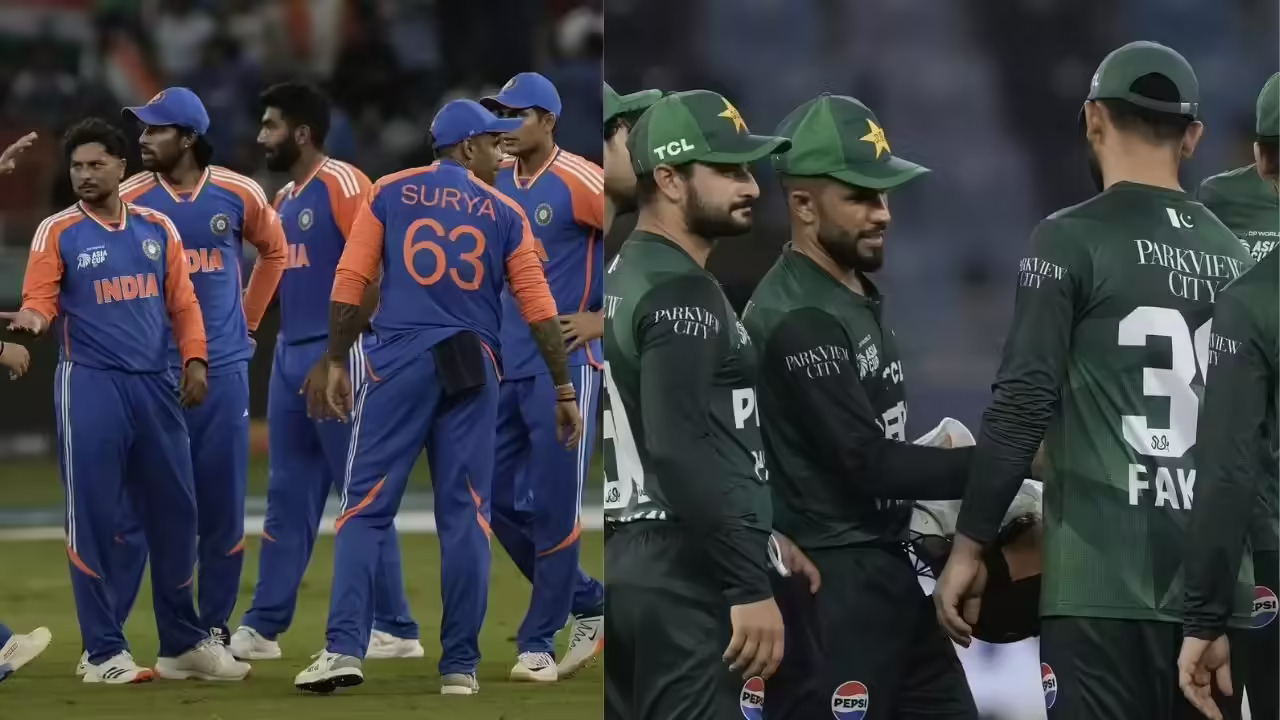
The latest India vs Pakistan match highlights showcase a masterclass in tactical discipline and execution. While Pakistan relied heavily on spin to contain the scoring, India’s decision to stick with high-pace seam bowling during the PowerPlay proved to be the game-changer. Led by Hardik Pandya and Jasprit Bumrah, the Indian bowling attack dismantled the Pakistani top order, defending a challenging total with clinical precision.
The high-octane clash between the traditional rivals lived up to its billing, but not in the way many expected. On a surface where Pakistan’s spinners—led by Salman Agha and Saim Ayub—extracted significant turn and bounce, India chose a different path. The narrative of the match was defined by India’s refusal to mimic the opposition’s strategy, instead relying on their core strengths.
Ishan Kishan Sets the Tone Early
Before the bowlers took center stage, Ishan Kishan played a knock of sheer dominance. Scoring a blistering 77 off just 50 deliveries, Kishan provided the cushion India needed on a sluggish surface. While other batters struggled to find their timing, managing only 95 runs off the remaining 80 balls, Kishan’s aggressive approach ensured India reached an above-par total. His ability to take the game away in the first six overs put immense psychological pressure on the Pakistani dugout.
The Seam Strategy: Resisting the Spin Trap
As the second innings commenced, many expected India to open with Axar Patel, given how much the ball had turned for Pakistan. However, captain Suryakumar Yadav opted for a seam-heavy PowerPlay. This tactical detour is a highlight of the India vs Pakistan match highlights, as Hardik Pandya and Jasprit Bumrah bowled four consecutive overs of hit-the-deck seam bowling.

Pandya, utilizing two slips on a slow deck, refused to take the pace off early. He relied on hard lengths to rush Sahibzada Farhan, securing the first breakthrough. This “anti-template” approach caught the Pakistani openers off guard, as they were prepared for a spin barrage but met with 140kmph thunderbolts instead.
Bumrah’s Skill vs Pakistan’s Desperation
Jasprit Bumrah’s opening spell was a exhibition of world-class bowling. Averaging 139 kmph, he targeted the stumps with relentless accuracy. His dismissal of Saim Ayub with a sharp inswinger was a throwback to his finest Test match spells. Pakistan’s middle order, feeling the heat of a climbing asking rate, began taking “poor options,” according to head coach Mike Hesson. The pressure of the scoreboard forced errors that the surface itself might not have dictated.
The Turning Point: Axar’s Tactical Variation
While the seamers did the heavy lifting, Axar Patel provided the finishing touch to the PowerPlay demolition. Unlike the Pakistani spinners who tried to turn the ball square at slow speeds, Axar pushed the ball through at under 85 kmph. The ball skidded on, trapping Babar Azam and effectively ending the chase before the middle overs. By the end of the first six overs, Pakistan had lost four wickets, and the momentum had completely shifted in India’s favor.

Coach’s Take: Skill Over Surface
Post-match, Pakistan coach Mike Hesson was candid about the defeat. He dismissed the notion that the pitch had drastically changed, stating that the ball actually “spun half as much” in the second innings and skidded more. He attributed the loss to the “quality of bowling” from India’s seamers and Ishan Kishan’s explosive start rather than the toss or the pitch conditions.
To learn more, follow Shabdsanchi’s social media pages today and stay updated.
- Facebook: shabdsanchi
- Instagram: shabdsanchiofficial
- YouTube: @shabd_sanchi
- Twitter: shabdsanchi