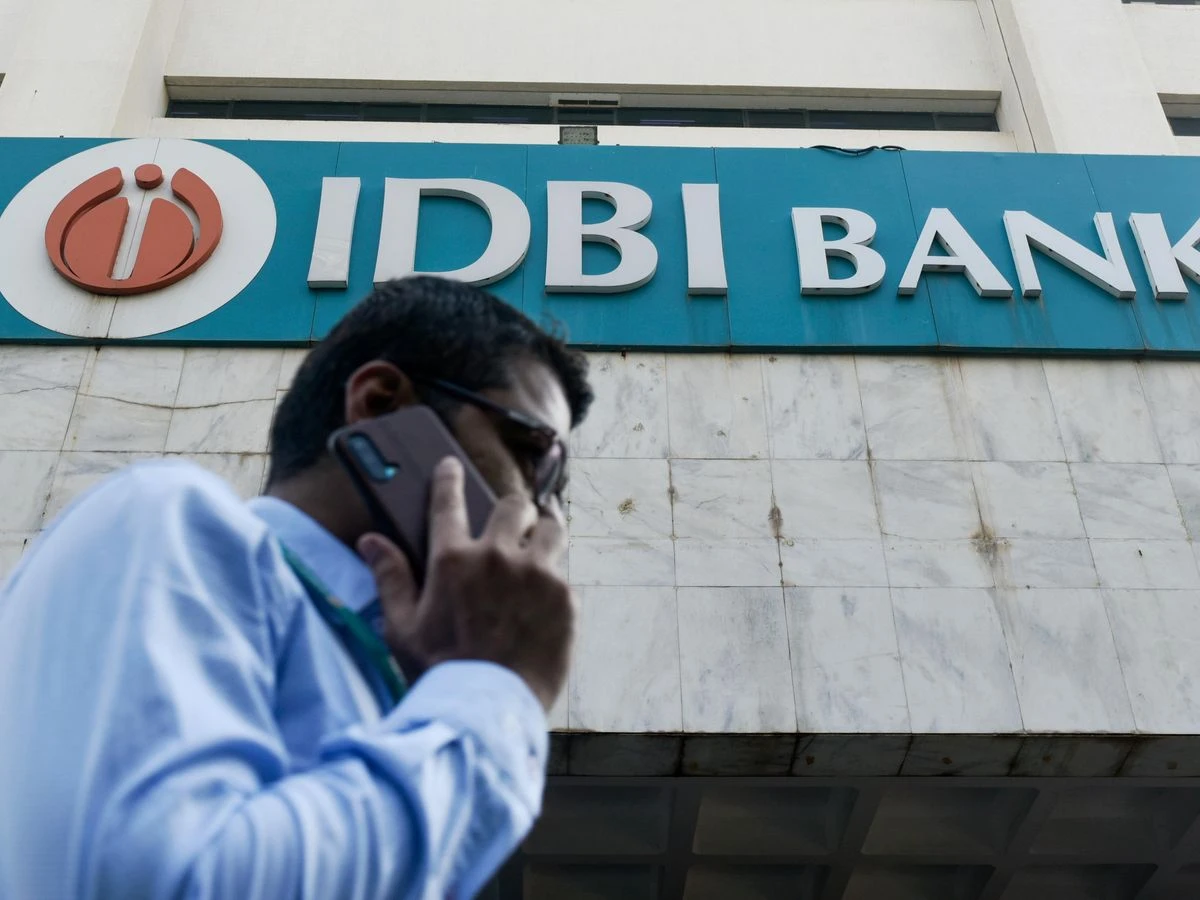
Shares of the lender plunged drastically on Monday morning after reports emerged that the government might halt the ongoing IDBI Bank stake sale. The sudden decision comes as the financial bids received from potential buyers reportedly fell short of the minimum reserve price expected by the authorities for this major privatization drive.
Why the IDBI Bank Stake Sale Hit a Roadblock
The central government and the Life Insurance Corporation of India (LIC) have been working on this strategic disinvestment for months. However, the bids submitted by interested parties did not match the government’s internal valuation. Officials had set a strict reserve price to ensure the exchequer received fair value for the profitable lender. Since the financial offers failed to cross this threshold, the government is now likely to scrap the current bidding process entirely.
Market Reaction: Shares Take a Massive Hit
Dalal Street reacted swiftly and negatively to the weekend reports surrounding the halted privatization. In early Monday trade, the bank’s stock witnessed massive selling pressure. Shares dropped by as much as 13.55 percent, hitting an intraday low of Rs 79.69. This sharp decline wiped out a significant portion of the wealth investors had accumulated in anticipation of a successful takeover by a private entity.
Background of the Disinvestment Plan
The strategic disinvestment was officially initiated in 2022. The primary objective was to offload a combined 60.7 percent stake in the banking institution. Currently, the government holds a 45.5 percent equity stake and intended to divest 30.5 percent. Meanwhile, LIC, which acts as the promoter, owns 49.2 percent and planned to sell a 30.2 percent share. Market estimates previously suggested that a successful transaction at the desired valuation could have fetched the sellers a combined total of around Rs 66,000 crore.

Who Were the Key Bidders?
The privatization effort had initially attracted significant interest from global financial players. Earlier reports indicated that prominent institutions like Canada-based Fairfax Financial Holdings and Dubai’s Emirates NBD were among the top contenders evaluating the transaction. Despite their initial interest and due diligence, the final financial commitments offered by these entities did not align with the government’s baseline expectations.
The Bank’s Financial Turnaround
Despite the current setback in the sale process, the underlying fundamentals of the bank have improved significantly. Following years of capital infusion and aggressive efforts to clean up its balance sheet, the lender has successfully reduced its non-performing assets (NPAs). It has returned to consistent profitability. Over the past year, the stock had gained approximately 9.2 percent before this recent crash, easily outperforming the benchmark Nifty 50 index.
What Lies Ahead for the Privatization Process?
The cancellation of these bids does not necessarily mean the end of the privatization dream. Authorities may consider launching a fresh sale process at a later date. Policymakers are expected to wait for broader market conditions to improve and for stronger investor interest to materialize before re-initiating the divestment. For now, the focus will likely remain on maintaining the bank’s operational efficiency and profitability.
To learn more, follow Shabdsanchi’s social media pages today and stay updated.
- Facebook: shabdsanchi
- Instagram: shabdsanchiofficial
- YouTube: @shabd_sanchi
- Twitter: shabdsanchi