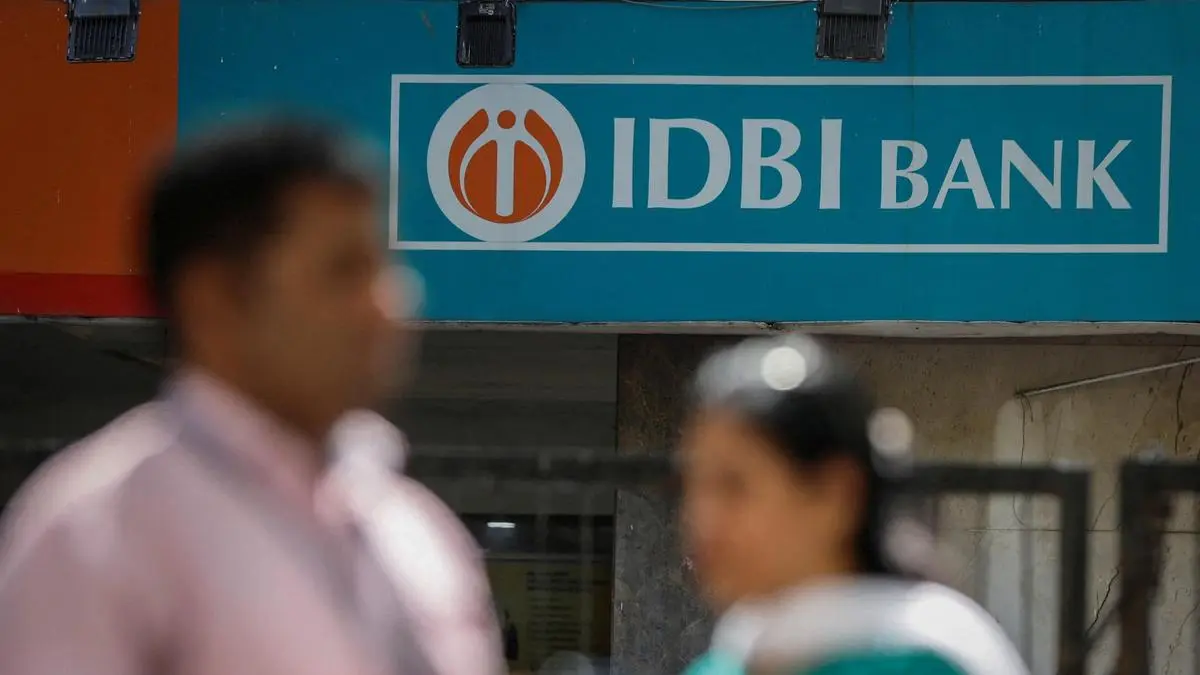
The Indian government is reportedly planning to shelve its ongoing IDBI Bank stake sale process. Officials noted that the financial offers submitted by potential buyers failed to meet the minimum reserve price. This unexpected development temporarily halts a major privatization initiative launched jointly with the Life Insurance Corporation in 2022.
Why Bids Fell Below the Reserve Price?
Authorities decided to halt the transaction because the financial bids did not match internal valuations. The government always establishes a strict baseline valuation to protect public financial interests. Potential buyers simply failed to breach this crucial monetary threshold. Consequently, policymakers chose to scrap the current bidding round rather than accept a suboptimal price for the profitable lender. Selling public assets below their fair value often invites severe regulatory scrutiny.
Background of the Disinvestment Plan
The strategic divestment journey officially began in 2022. State authorities and the Life Insurance Corporation of India (LIC) collaborated to offload a combined 60.7 percent ownership. Currently, the central administration controls a 45.48 percent equity share in the financial institution. Meanwhile, LIC holds a slightly larger promoter share of 49.24 percent. Both entities sought to reduce their market exposure simultaneously to bring in private management.
Who Were the Interested Buyers?
Initial market reports indicated strong early interest from prominent global players. Canadian investment group Fairfax Financial actively participated in the preliminary bidding phase. Dubai-based Emirates NBD also emerged as a serious contender evaluating the bank’s books. However, their final monetary commitments proved insufficient for the government’s expectations. This tepid financial response surprised many industry analysts who expected an aggressive bidding war.

Contrasting Trends in the Banking Sector
This cautious approach toward IDBI contrasts sharply with other recent foreign investments. Foreign institutional appetite for Indian financial assets remains generally robust across the board. For instance, Emirates NBD recently committed approximately $3 billion to acquire a massive 60 percent ownership in RBL Bank. Similarly, Japan’s Sumitomo Mitsui Banking Corp secured a 24 percent shareholding in Yes Bank. These high-value transactions highlight a specific valuation disconnect in the IDBI scenario.
Impact on Annual Disinvestment Targets
Halting this major transaction will undoubtedly impact the government’s broader economic agenda. The finance ministry relies on such high-ticket stake sales to meet its annual disinvestment targets and bridge fiscal deficits. The anticipated revenue from this specific transaction was substantial. Policymakers will now need to explore alternative asset monetization avenues to balance their budgetary calculations for the current fiscal year.
What Happens Next for the Lender?
The cancellation of these current bids does not signify the permanent end of the privatization agenda. Government sources indicate that a fresh process might begin later this year. Officials will monitor the broader economic environment very closely. They intend to relaunch the IDBI Bank stake sale when market appetite improves and institutional buyers demonstrate stronger financial commitment. Until then, the institution will continue regular operations under its existing management structure.
To learn more, follow Shabdsanchi’s social media pages today and stay updated.
- Facebook: shabdsanchi
- Instagram: shabdsanchiofficial
- YouTube: @shabd_sanchi
- Twitter: shabdsanchi