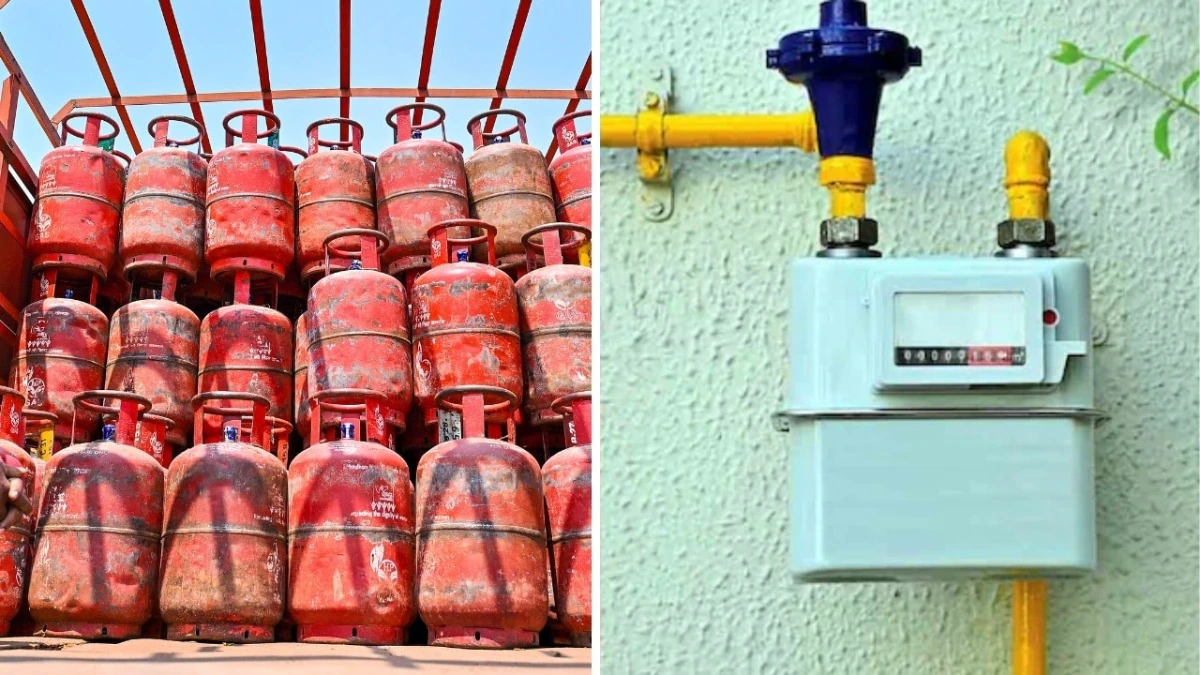
In a strategic move to reduce import reliance amid rising tensions in West Asia, the govt pushes PNG shift for households across India. With incentives like zero security fees and up to Rs 500 in free gas, the initiative aims to transition domestic consumers from LPG to reliable piped natural gas seamlessly.
Why the Administration is Prioritizing Piped Gas Over LPG?
The primary driver behind this major policy decision is national energy security. India currently imports a significant portion of its domestic LPG requirements to meet growing consumer demand. However, the import dependency for Piped Natural Gas (PNG) is notably lower. By transitioning households to a piped gas network, the administration aims to insulate the domestic market from unpredictable global supply chain disruptions.
Sujata Sharma, Joint Secretary of Marketing and Oil Refinery at the Ministry of Petroleum and Natural Gas, highlighted the core logic of this transition. She emphasized that reducing reliance on imported LPG directly strengthens the country’s economic stability. Because domestic PNG networks can be supplied more reliably and efficiently, encouraging this shift is a highly practical step for long-term energy independence.
Read Also: Why Are People Searching For Lockdown in India Amid War?
Financial Incentives and the 3-Month Mandate
To accelerate this nationwide transition, city gas distribution companies are offering highly attractive financial benefits. New domestic consumers will receive up to Rs 500 worth of free gas upon securing a connection. Furthermore, the mandatory security deposit fee has been completely waived. These proactive moves eliminate the initial financial barriers for households considering the switch.
The transition process is designed to be systematic and trackable. In neighborhoods where PNG infrastructure is already active, existing LPG consumers will receive an official notification via registered post. Following this formal intimation, residents will be granted a strict three-month window to complete their migration to the piped gas network.
Infrastructure Boost and Rapid Expansion
Expanding a city-wide pipeline network rapidly requires clearing long-standing administrative hurdles. To facilitate faster rollout, local authorities have simplified several complex application processes. For instance, the Delhi government has completely waived road restoration charges for PNG-related civic work. This intervention removes a massive financial and logistical bottleneck for gas pipeline operators.
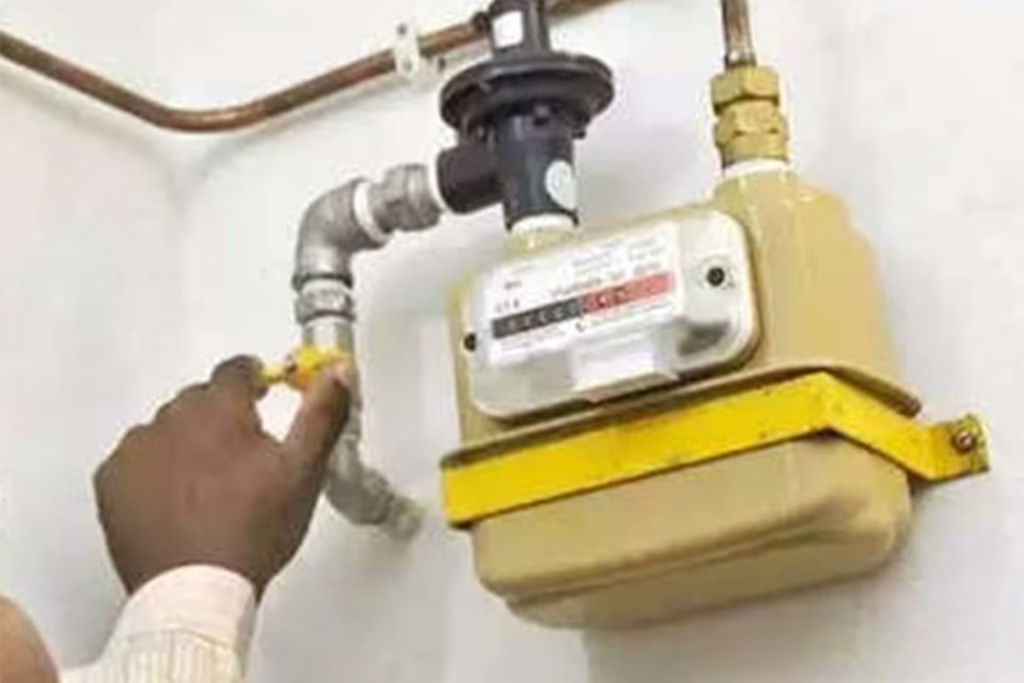
Additionally, infrastructure agencies have received official permission to conduct pipeline installation work 24×7. This round-the-clock operational clearance ensures that infrastructure supply meets the rising demand without unnecessary delays. The results of these deregulations are already visible on the ground. According to Sharma, approximately 2.5 lakh new PNG connections were activated in just the last 25 days. Furthermore, around 2.2 lakh households have already successfully abandoned their LPG cylinders in favor of piped gas.
Reassurances on LPG Supply and Crackdown on Black Marketing
Despite the aggressive campaign for PNG adoption, the administration has strongly reassured citizens about current LPG availability. Officials have firmly stated that there is absolutely no shortage of domestic LPG cylinders in the country. Citizens are officially advised to ignore unverified rumors regarding supply dry-outs.
However, the government is taking strict, immediate action against illegal hoarding. In a massive nationwide crackdown yesterday, enforcement agencies conducted approximately 2,700 raids across multiple states. These targeted operations resulted in the seizure of nearly 2,000 illegally stored commercial and domestic cylinders. This aggressive stance aims to curb black marketing and ensure fair distribution for all genuine consumers.
Read Also: Sonia Gandhi Hospitalised in Delhi, Condition Stable
Simultaneously, regular LPG supply chains remain highly efficient. Official data indicates that about 92 percent of refill bookings are now processed online, showcasing a streamlined distribution system. To support local businesses, around 26 states have received an allocation of 22,000 tons of commercial LPG. Additionally, 30,000 small 5-kg cylinders were distributed recently, and supplemental kerosene allocations have been authorized as an alternative fuel source across various union territories.
Geopolitical Context and Energy Security Strategy
This domestic energy restructuring is occurring against a backdrop of severe global geopolitical friction. Tensions in West Asia continue to remain high, threatening traditional global shipping routes and energy market stability. Consequently, the Indian government is proactively securing its energy interests both domestically and internationally.
Diplomatic channels remain highly active to navigate these complex global challenges. Ministry of External Affairs spokesperson Randhir Jaiswal confirmed that Prime Minister Narendra Modi engaged in a crucial dialogue with US President Donald Trump on March 24. Alongside these high-level discussions, External Affairs Minister S Jaishankar recently held talks with the Iranian Ambassador to evaluate the rapidly evolving regional situation.
To learn more, follow Shabdsanchi’s social media pages today and stay updated.
- Facebook: shabdsanchi
- Instagram: shabdsanchiofficial
- YouTube: @shabd_sanchi
- Twitter: shabdsanchi