



Global oil prices drop by more than 11 percent following unexpected geopolitical developments and high-level diplomatic discussions aimed at ending the Middle East conflict. However, energy market analysts warn that despite this sudden relief, severe supply chain bottlenecks and the looming threat of broader economic inflation still persist.
Why Did Global Oil Prices Drop So Suddenly?
The international energy market experienced a massive shockwave on Tuesday. Both major crude benchmarks logged their biggest single-day percentage loss since March 2022. Brent futures plunged by $11.16, settling at $87.80 a barrel. Simultaneously, US West Texas Intermediate (WTI) crude fell by $11.32 to close at $83.45 a barrel.
This sharp decline came just 24 hours after prices had skyrocketed to four-year highs. The initial surge was driven by aggressive supply cuts from Saudi Arabia and other major oil-producing nations. However, market sentiment flipped rapidly following statements from US leadership.

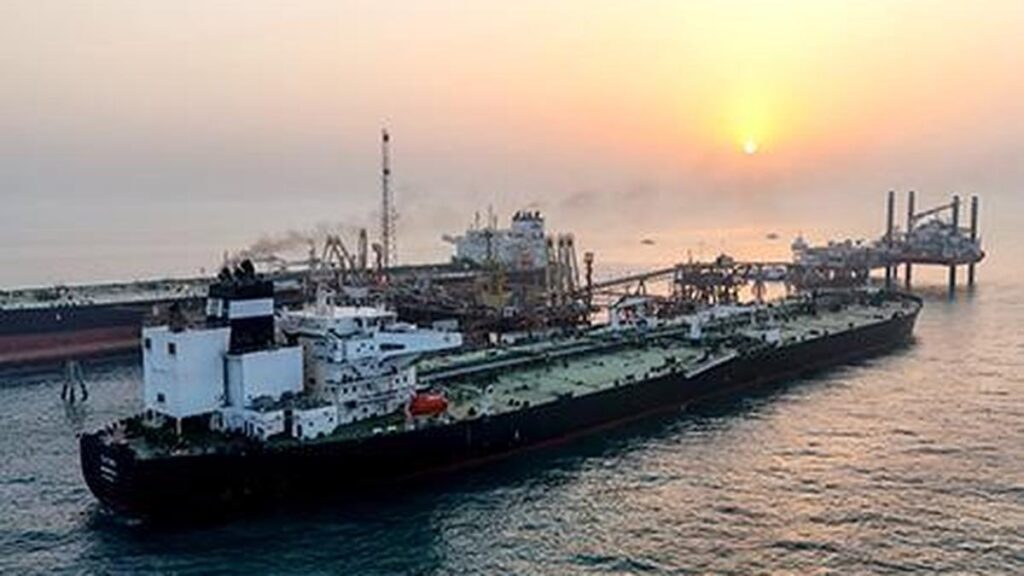
President Donald Trump publicly predicted a swift resolution to the ongoing conflict involving Iran. According to a Kremlin aide, this optimism was further fueled by a direct telephone conversation between Trump and Russian President Vladimir Putin. The two leaders reportedly shared specific proposals aimed at achieving a quick settlement to the war.
Diplomatic Optimism vs. Ground Realities
During a CBS News interview on Monday, Trump stated that the military engagement against Iran was “very complete.” He added that Washington was currently “very far ahead” of his initial four-to-five-week estimated timeline. This unexpected revelation immediately triggered massive sell-offs in the energy futures market.
Traders quickly priced in the possibility of unimpeded global crude flows returning to normal. Consequently, the global oil prices drop reflected a market prematurely celebrating an end to geopolitical instability.
However, veteran energy analysts are urging extreme caution. They point out a critical flaw in the market’s current optimism: diplomatic resolutions do not instantly fix broken physical infrastructure.
The Supply Chain Bottleneck
Even if a permanent ceasefire is signed tomorrow, petroleum supplies will not immediately flood back into the global market. Simon Flowers, chairman and chief analyst at Wood Mackenzie, provided a sobering reality check regarding the logistics of global energy distribution.
“When the conflict ends, cranking up the supply chain won’t be swift,” Flowers explained. He noted that while refined product barrels currently stored at refineries or port facilities might be moved onto shipping vessels relatively quickly, upstream production is a different story.
If crude extraction wells remain shut-in for an extended period, the complex engineering process of restarting production to full output capacity could take several weeks, if not longer. This logistical lag means the world will likely face a tight supply environment long after the geopolitical headlines fade.
Economic Ripple Effects of the Prolonged Conflict
The duration of the crisis remains the most critical variable for the global economy. “The longer this lasts, the more significant the shock would be,” warned Gregory Daco, chief economist at consulting firm EY-Parthenon.
The ongoing conflict has already infected multiple sectors of the international economy. It is actively driving up base fuel costs, heating expenses, and electricity rates. Furthermore, it is threatening to trigger a severe spike in global food prices.
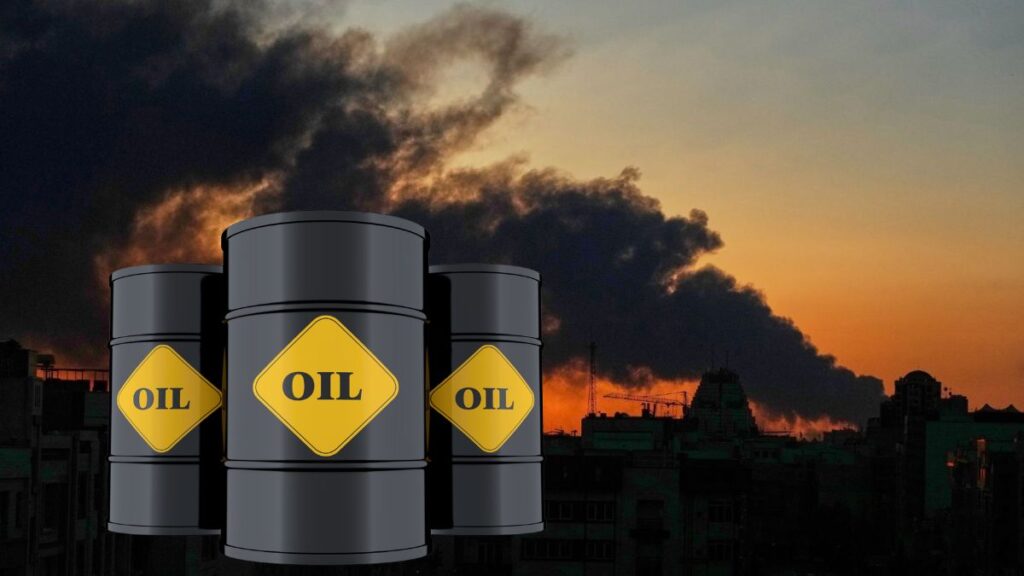
Gasoline, diesel, and aviation jet fuel prices rise in direct correlation with crude oil markers. In the United States alone, commercial diesel prices surged to $4.65 a gallon on Monday. This represents a staggering 23 percent jump since the hostilities commenced.
Freight, Shipping, and Consumer Surcharges
Higher diesel costs act as a hidden tax on the entire global supply chain. Expensive fuel drastically increases maritime shipping expenses and slows down international freight movements. Transport companies inevitably pass these rising operating costs directly to end consumers through heavy freight surcharges.
Heating and domestic cooking reliant on natural gas are also becoming prohibitively expensive. Europe’s benchmark natural gas prices have exploded, rising by 75 percent since the war began. These surging energy input costs severely impact industrial manufacturing. Products heavily reliant on natural gas derivatives—including commercial plastics, synthetic rubber, and crucial nitrogen fertilizers—are facing severe production cost hikes.
Will Grocery Prices Continue to Climb?
Agricultural economics are deeply tied to energy markets. If high crude prices persist despite Tuesday’s market correction, everyday food items will become more expensive. David Ortega, a professor of food economics at Michigan State University, warned that sustained energy costs will gradually inflate grocery bills worldwide.
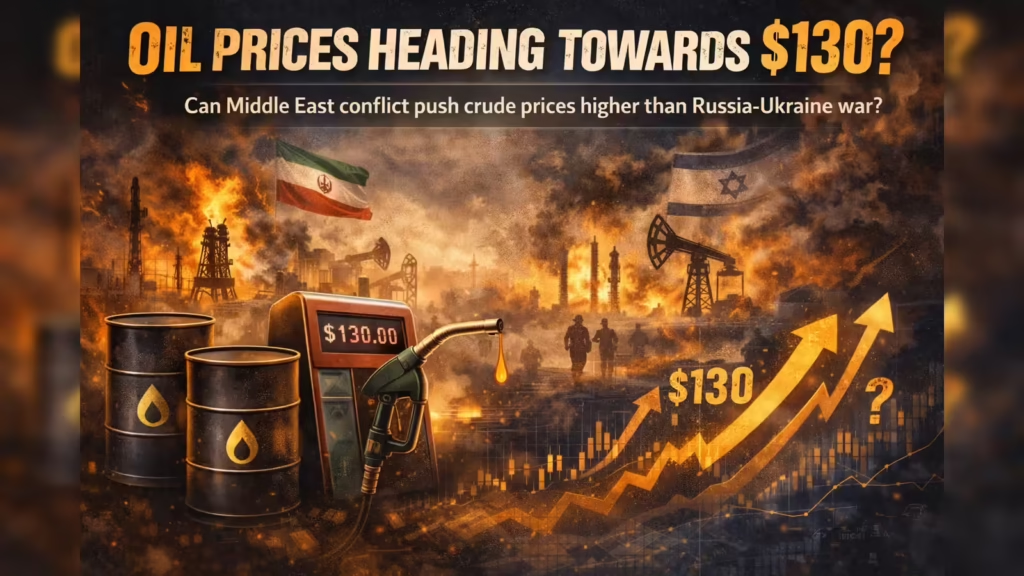
Modern agriculture is highly mechanized and chemically intensive. Fuel cost increases directly impact the operation of heavy farm equipment. Furthermore, the rising cost of natural gas makes chemical fertilizer much more expensive to produce. Fresh, highly perishable grocery items are expected to see immediate retail price hikes much faster than heavily processed packaged foods.
China’s Warning on Global Energy Security
The ripple effects of Middle Eastern instability are causing deep concern in major Asian economies. China, the world’s largest importer of crude oil, views the ongoing tensions as a direct threat to domestic and global economic stability.
Guo Jiakun, spokesperson for the Chinese Foreign Ministry, addressed the crisis during a press briefing on Tuesday. He stated that Beijing regards unimpeded energy security as a matter of vital importance to the survival of the global economy.
He stressed that all involved parties must halt military operations immediately to avoid further dangerous escalation. Guo warned that regional turmoil must be contained before it inflicts irreversible damage on global economic growth targets.
The Path Forward for Energy Markets
Guo further noted that all geopolitical actors share a fundamental responsibility to ensure a stable and predictable energy supply network. He firmly added that China is prepared to do whatever is necessary to protect its own sovereign energy security.
As the week progresses, traders will be watching closely to see if the global oil prices drop is a temporary geopolitical reaction or the beginning of a sustained downward trend. For now, the structural risks to global supply chains remain dangerously elevated.
To learn more, follow Shabdsanchi’s social media pages today and stay updated.
- Facebook: shabdsanchi
- Instagram: shabdsanchiofficial
- YouTube: @shabd_sanchi
- Twitter: shabdsanchi