


A moderate tremor has unsettled southern Iran. A 4.3 magnitude Gerash Iran earthquake struck the Fars province on Tuesday, according to the United States Geological Survey (USGS). Authorities report that the seismic event occurred at a depth of 10 kilometres. Currently, officials have reported no immediate casualties or structural damage.
Initial Reports on the Gerash Iran Earthquake
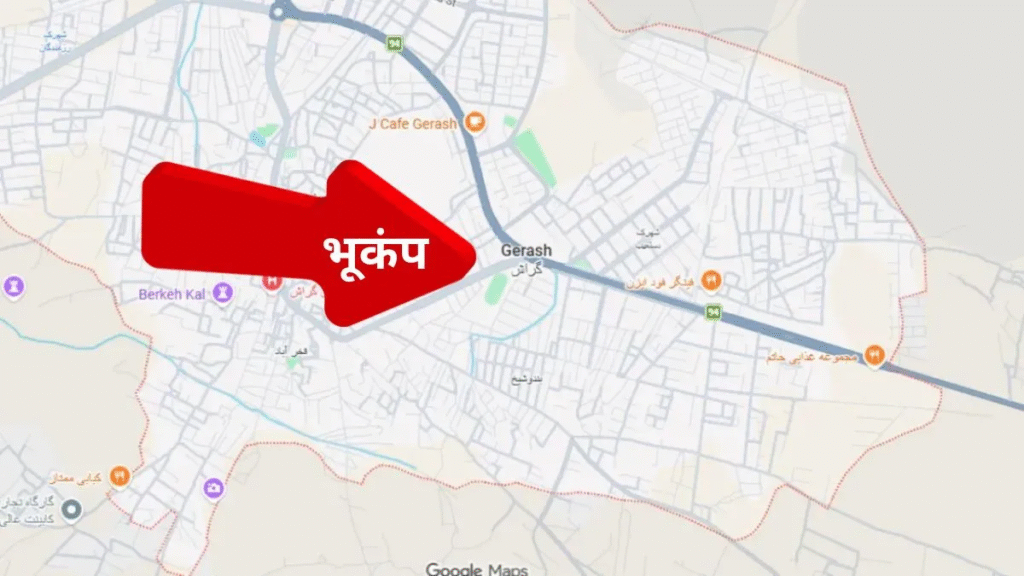
The seismic event occurred early Tuesday, triggering immediate alerts across global monitoring networks. The United States Geological Survey (USGS) officially recorded the tremor at a magnitude of 4.3. The epicenter was located near the southern city of Gerash, an administrative hub within the Fars province.
Initial assessments indicate that the earthquake struck at a relatively shallow depth of 10 kilometres. Shallow quakes often produce more noticeable shaking at the surface compared to deeper events of the same magnitude. However, the moderate 4.3 magnitude restricted the overall impact. Local authorities and emergency response teams quickly began evaluating the affected zones. News agency ANI confirmed that, as of the initial reports, there have been no documented casualties or significant damage to regional infrastructure.

Understanding the Zagros Seismic Belt
Southern Iran is geographically positioned within a highly volatile tectonic zone. The region lies directly across the Zagros seismic belt. This extensive geological formation stretches across the country and dictates the high frequency of tremors experienced by local populations.
The Zagros mountains and their underlying fault systems formed—and continue to evolve—due to a massive ongoing collision. The Arabian tectonic plate is constantly pushing northward against the massive Eurasian plate. This relentless tectonic movement generates immense underground stress. When this accumulated stress eventually fractures the rock along major fault lines, it releases seismic waves. Consequently, earthquakes are a common and expected natural phenomenon in the Fars province and surrounding territories.
Why Depth Matters in Seismic Events
Understanding the 10-kilometre depth of this specific tremor provides valuable context. Seismologists categorize earthquakes into shallow, intermediate, and deep zones. A 10-kilometre origin point falls squarely into the shallow category.
When a fault ruptures close to the Earth’s surface, the generated seismic waves have less distance to travel before reaching populated areas. This short travel distance means the waves retain more of their energy. Therefore, even a moderate tremor can cause intense localized shaking. Fortunately, the building standards in some urban centers of Iran have slowly adapted to these recurring shallow events, mitigating potential destruction from sub-5.0 magnitude quakes.
Historical Context of Earthquakes in Iran
Iran possesses a tragic and extensive history of devastating seismic activity. The country’s unique position over multiple active fault lines makes it one of the most earthquake-prone nations globally.
Historically, massive earthquakes have periodically leveled Iranian cities. The catastrophic 2003 Bam earthquake in the Kerman province, which registered a magnitude of 6.6, resulted in tens of thousands of fatalities and destroyed ancient infrastructure. Similarly, a powerful 7.3 magnitude earthquake struck the western Kermanshah province in 2017, causing widespread destruction. While the recent tremor in Gerash was significantly less powerful, it serves as a continuous reminder of the persistent geological threats facing the nation. Every minor quake prompts local authorities to reassess their disaster preparedness protocols.
Tensions and Tremors: The Geopolitical Backdrop
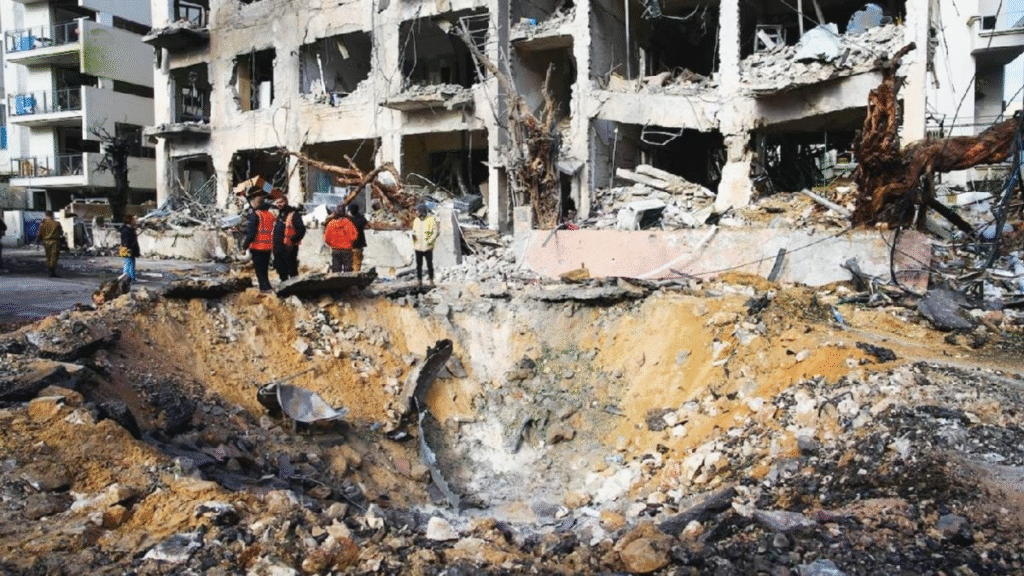
This natural event unfolded against a highly complex and volatile geopolitical backdrop. The tremor struck amid a sharp escalation in regional hostilities. Currently, tensions are peaking between Iran and combined United States and Israeli forces.
Military strikes, retaliatory attacks, and elevated defensive postures are actively unfolding across the wider Middle East. While natural disasters operate independently of human conflict, the intersection of the two creates significant challenges. Geopolitical instability often complicates domestic emergency response capabilities. National resources, military personnel, and logistical networks are frequently diverted toward national defense rather than disaster preparedness.
Impact on Emergency Infrastructure
When a nation faces severe external military threats, its internal crisis management systems undergo immense strain. In the event of a larger earthquake, the ongoing regional hostilities could theoretically impede the rapid mobilization of rescue teams. Furthermore, international aid, which is standard during severe natural disasters, becomes logistically and diplomatically difficult to coordinate in active conflict zones. The current situation requires the Iranian government to balance national security priorities with municipal safety mandates.
Monitoring and Future Preparedness
Global agencies like the USGS and local Iranian seismological centers continue to monitor the Fars province closely. Aftershocks frequently follow initial tremors, although they generally register at lower magnitudes.
Continuous seismic monitoring remains critical for the region. Scientists utilize networks of seismometers to track the micro-fractures along the Zagros belt. This data helps authorities update building codes and refine emergency evacuation routes. Educating the public on earthquake safety—such as securing heavy furniture and identifying safe structural zones within homes—also remains a continuous priority for local municipalities in southern Iran.
Awaiting Further Details
Regional governors and emergency management officials are currently maintaining a standard state of readiness. Local news outlets continue to broadcast safety reminders to the residents of Gerash and neighboring districts. If structural weaknesses are identified in rural areas, localized evacuations may be implemented as a precautionary measure.
To learn more, follow Shabdsanchi’s social media pages today and stay updated.
- Facebook: shabdsanchi
- Instagram: shabdsanchiofficial
- YouTube: @shabd_sanchi
- Twitter: shabdsanchi