




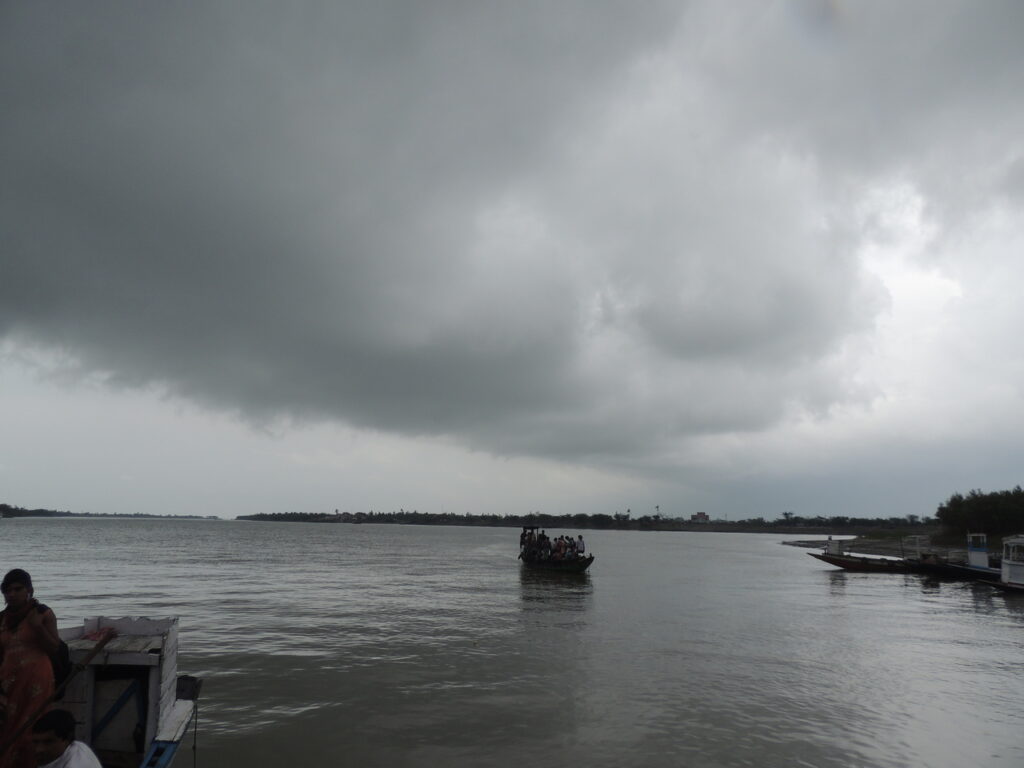
The India Meteorological Department (IMD) on Friday issued a fresh update regarding changing oceanic conditions. According to the weather bureau, a coupled ocean-atmosphere system is now firmly established. This development indicates a strengthening El Nino impact on Monsoon patterns, raising concerns over rainfall distribution across the country in the coming months.
IMD Observes Significant Oceanic Warming
Recent satellite data and ocean models show a notable rise in Sea Surface Temperatures (SSTs) across the equatorial Pacific Ocean. Weather scientists have observed that these warm anomalies are gaining strength consistently.
The atmospheric components, including wind patterns and pressure zones, are aligning with these oceanic shifts. This synchronization confirms that the weather phenomenon is moving from a developing stage to an active phase. Consequently, forecasters are closely monitoring how this transition will alter the seasonal wind currents.
Understanding the El Nino Impact on Monsoon
Historically, the warming of the Central and Eastern Pacific waters has a direct correlation with Indian weather. A stronger El Nino typically disrupts the normal flow of the moisture-laden trade winds. When these winds weaken, the quantum of rainfall over the Indian subcontinent often sees a measurable decline.
The timing of this strengthening is particularly crucial for agricultural planning. Farmers across central and northwest India rely heavily on timely precipitation. Therefore, any sudden variations in wind intensity can delay the progression of the rain system into the interiors.
Atmospheric Shifts and Rainfall Distribution
The weather department noted that the atmospheric response to the warm ocean waters has accelerated. Trade winds over the equatorial Pacific have weakened significantly over the past few weeks. This specific shift alters the global convective circulation cells, pushing rain-bearing clouds away from South Asia.
While the monsoon made a standard onset over Kerala, its internal movement requires sustained atmospheric support. Forecasters emphasize that regional factors, like the Indian Ocean Dipole (IOD), also play a critical role. A positive IOD could potentially neutralize some negative effects, though its current status remains under observation.
Agricultural Concerns and Mitigating Risks
The agricultural sector remains the most sensitive to these evolving climatic conditions. Kharif crops, including paddy, pulses, and oilseeds, depend on the June-to-September rainfall cycle. A prolonged dry spell during the crucial sowing phase can impact overall crop yields and food inflation.
State governments are already advising rural bodies to optimize water management systems. Irrigation reservoirs are being monitored to ensure adequate supply if regional deficits occur. Experts suggest that micro-irrigation and drought-resistant seed varieties might become necessary if the dry intervals expand.
Historical Precedents and Climate Models
Past meteorological data indicates that not all El Nino years result in a severe drought. The final outcome depends heavily on the intensity of the phenomenon and its interaction with local sub-continental systems. For instance, strong localized low-pressure systems over the Bay of Bengal can occasionally offset the macro-level dry signals.
Dynamic climate models used by international agencies align with the IMD’s current observations. Most global simulations predict that the warming trend will persist through the remainder of the year. This long-term projection necessitates continuous review by agricultural and water resource ministries.
Regional Variations and Detailed Outlook
The impact of this atmospheric change is rarely uniform across India. While northwest and central regions often face the brunt of the dry spells, the northeastern states sometimes experience a different rainfall trajectory. Southern peninsula regions also show varied patterns depending on the late-season performance of the monsoon.
The IMD plans to release updated regional forecasts as the season progresses. These granular inputs help local administrations tailor their contingency plans effectively. For now, the emphasis remains on structural readiness and efficient water conservation practices nationwide.
FAQs
Q1: What is the current status of the El Nino impact on Monsoon in India?
A: The India Meteorological Department (IMD) has confirmed that the ocean-atmosphere system in the equatorial Pacific has aligned with El Nino conditions. Sea surface temperatures are consistently rising, indicating that the phenomenon is strengthening, which could potentially disrupt standard rainfall patterns during the current monsoon season.
Q2: Does a strong El Nino always lead to a severe drought in India?
A: No, a stronger El Nino does not automatically guarantee a nationwide drought. While it historically weakens monsoon winds and reduces overall precipitation, the final impact depends on regional factors, such as the Indian Ocean Dipole (IOD) and localized low-pressure systems over the Bay of Bengal, which can sometimes offset the dry signals.
Q3: Which sectors are most vulnerable to changing monsoon patterns?
A: The agricultural sector is the most sensitive, particularly Kharif crops like paddy, pulses, and oilseeds that rely heavily on the June-to-September rainfall cycle. Additionally, water resource management, rural economies, and food inflation are directly influenced by these shifting weather matrices.
Q4: How is the government responding to the shifting weather models?
A: State governments and agricultural ministries are actively monitoring reservoir levels and advising rural bodies to optimize water conservation. Administrations are also preparing contingency plans, including the promotion of micro-irrigation and the distribution of drought-resistant seed varieties to mitigate potential risks.
For more information, follow Shabdsanchi‘s social media pages today and stay updated.
- Facebook: shabdsanchi
- Instagram: shabdsanchiofficial
- YouTube: @shabd_sanchi
- Twitter: shabdsanchi