A fresh Delhi weather change is expected from Wednesday as a western disturbance brings rain and gusty winds to the national capital. The India Meteorological Department has issued a yellow alert, forecasting light to moderate rainfall and a drop in temperatures after several unusually warm days.
Western Disturbance to Trigger Midweek Rain
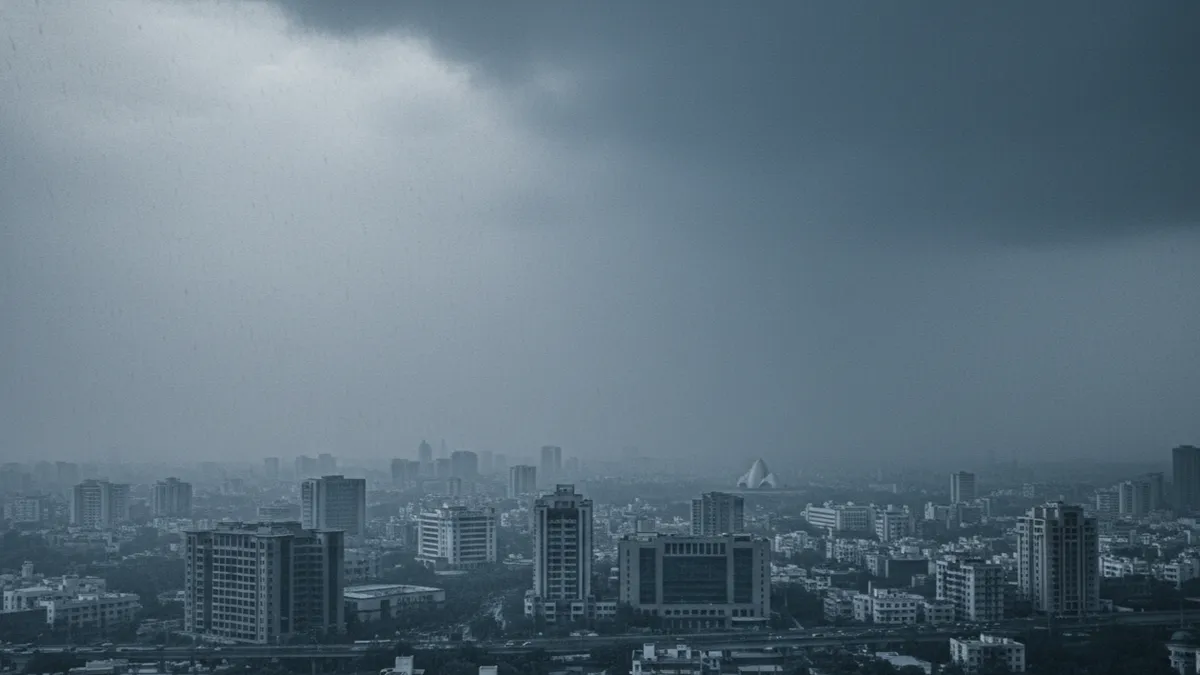
The approaching western disturbance is set to alter weather conditions across north India, including Delhi. According to the India Meteorological Department (IMD), cloud cover will increase from early morning hours on Wednesday. Light rain is likely at several locations during the first half of the day.
By afternoon, the intensity may rise slightly. Thunderstorms accompanied by lightning and moderate showers are expected in parts of the city. Winds may blow at speeds of 30–40 km per hour, making conditions cooler than earlier this week.
The IMD has issued a yellow alert for the day, advising residents to remain cautious, especially during peak traffic hours. Commuters could face minor disruptions due to reduced visibility and waterlogging in low-lying areas.
For more updates on seasonal shifts, readers can explore our coverage of the recent western disturbance activity in North India and its broader regional impact.
Temperature Trends Ahead of Delhi Weather Change
The capital has experienced rising temperatures over the past several days. On Tuesday, the minimum temperature settled at 12.4 degrees Celsius. This was 1.4 degrees above the seasonal average and notably higher than Monday’s reading.
The maximum temperature reached 30.9 degrees Celsius. Although slightly lower than the previous day, it remained significantly above normal for this time of year.
The upcoming Delhi weather change is expected to bring relief from this warm spell. Rainfall and cloud cover generally reduce daytime heating. Additionally, strong winds help disperse accumulated heat near the surface.
Meteorologists say that the temperature could drop by a few degrees following the rainfall episode. Night temperatures may also witness a marginal dip, bringing back a mild chill in the early morning hours.
Detailed daily forecasts are available on the official website of the India Meteorological Department.
Impact on Air Quality in the Capital
Air quality in Delhi remained in the “poor” category on Tuesday, according to data from the Central Pollution Control Board. Rising temperatures and stagnant air had contributed to the deterioration in pollution levels.
Rain and gusty winds, however, often help improve air quality. Showers settle airborne particulate matter, while stronger winds disperse pollutants. As a result, the Delhi weather change could lead to a temporary improvement in air conditions.
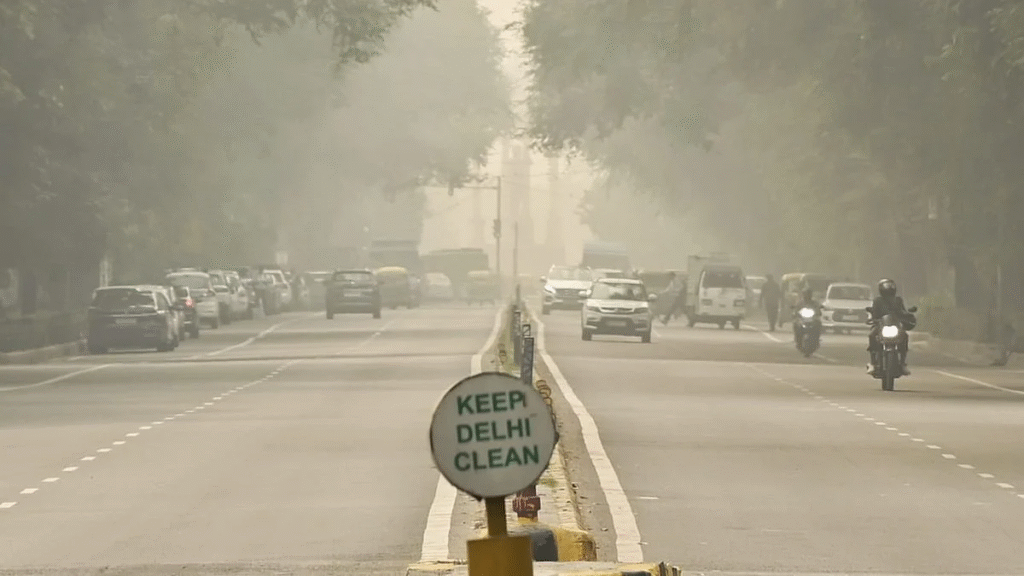
Experts caution that the improvement may be short-lived. Sustained changes in air quality depend on multiple factors, including emissions and regional weather patterns.
For readers tracking pollution trends, our recent report on Delhi’s air quality fluctuations this winter offers detailed analysis.
Real-time air quality data can also be accessed through the Central Pollution Control Board portal.
What Residents Should Expect
The midweek shift in weather could influence daily routines across the city. Morning commuters may encounter slippery roads and slower traffic movement. School authorities sometimes issue advisories during thunderstorms, although no such announcement has been made so far.
People stepping outdoors are advised to carry umbrellas or rain gear. Those with respiratory conditions should monitor air quality updates, as sudden humidity changes can trigger discomfort.
While the rainfall is not expected to be prolonged, its cooling effect may be noticeable. Residents who had switched to lighter clothing during the recent warm days may need to prepare for cooler mornings once again.
The Delhi weather change also marks a reminder that transitional months often bring fluctuating conditions. Western disturbances are common during this period and can cause short spells of rain across northern plains.
Broader Regional Outlook
Beyond Delhi, nearby regions in Haryana, Punjab and western Uttar Pradesh may also receive rainfall under the same system. Hill states could witness snowfall at higher elevations.
Meteorologists indicate that this disturbance is not expected to cause extreme weather. However, localized thunderstorms may lead to brief, intense showers in isolated pockets.
Weather experts typically monitor such systems closely, as their track and intensity can shift within hours. Updated advisories will depend on real-time atmospheric developments.
To learn more, follow Shabdsanchi’s social media pages today and stay updated.
- Facebook: shabdsanchi
- Instagram: shabdsanchiofficial
- YouTube: @shabd_sanchi
- Twitter: shabdsanchi