




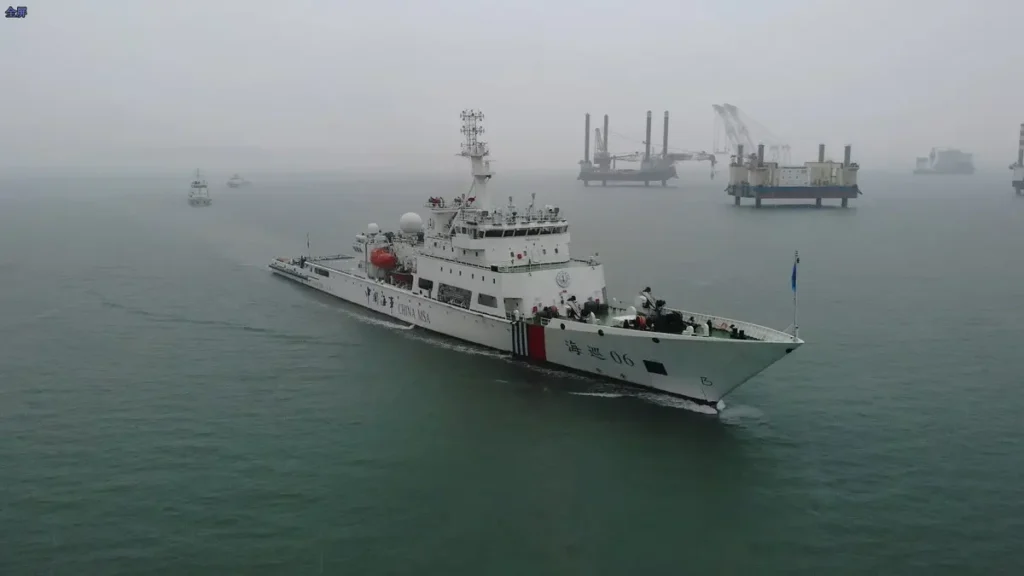
The Ministry of National Defense in Taipei has reported a renewed surge in military activity, detecting multiple Chinese vessels around Taiwan early Saturday morning. This development includes naval ships and aircraft sorties, further amplifying the persistent geopolitical frictions in the strategically vital Indo-Pacific region.
Latest Incursions by PLA Forces
Military activities in the Taiwan Strait continue to draw international scrutiny following the latest report from Taipei. As of 6 a.m. local time on Saturday, authorities detected two sorties of Chinese aircraft. Alongside these aerial maneuvers, naval forces were heavily present. The defense ministry confirmed the presence of six naval vessels and one official ship operating near its territorial waters.
These movements represent a consistent pattern of military posturing. Both aircraft sorties breached the southwestern sector of the Air Defense Identification Zone (ADIZ). In response to these developments, the Republic of China (ROC) Armed Forces actively monitored the situation. Military officials deployed appropriate defensive protocols to track the Chinese vessels around Taiwan and ensure regional stability.
Prior Day Military Movements
This weekend’s military presence follows closely on the heels of similar activities observed earlier in the week. On March 6, defense radar systems tracked seven naval ships and two official maritime vessels near the island. During that specific timeframe, authorities did not detect any aircraft sorties. Consequently, the defense ministry did not release an illustration of flight paths for Friday’s report.
Understanding the ADIZ and Territorial Waters
To grasp the significance of these military maneuvers, one must distinguish between territorial airspace and an ADIZ. Territorial airspace extends 12 nautical miles from a coastline. It is sovereign territory under international law. In contrast, an ADIZ is a broader, self-declared buffer zone. Nations establish these zones to identify and track approaching foreign aircraft well before they reach sovereign airspace.
When military aircraft or Chinese vessels around Taiwan enter this designated zone, it triggers defensive monitoring. It does not strictly violate international law, but it heavily escalates regional tensions. Regular incursions into the southwestern ADIZ serve multiple strategic purposes. They test radar response times, drain defensive resources, and maintain constant psychological pressure on the defending administration.
Historical Roots of the Sovereignty Dispute
The current geopolitical friction is deeply rooted in centuries of complex history. The territorial claims over the island stem from a long sequence of historical, political, and legal shifts. Beijing maintains that the island is an inseparable part of its national territory. This viewpoint is firmly embedded in its domestic legislation and international diplomatic statements.
Conversely, Taipei functions with distinct autonomy. The island operates its own democratically elected government, maintains an independent military force, and drives a separate, highly advanced economy. This fundamental divergence in administrative reality creates one of the most significant diplomatic debates in modern international relations.
From the Qing Dynasty to World War II
The historical basis for sovereignty claims often traces back to 1683. During this period, the Qing Dynasty annexed the island after defeating Koxinga, a loyalist of the fallen Ming Dynasty. However, for centuries, the island remained a peripheral territory with limited administrative control from the mainland.


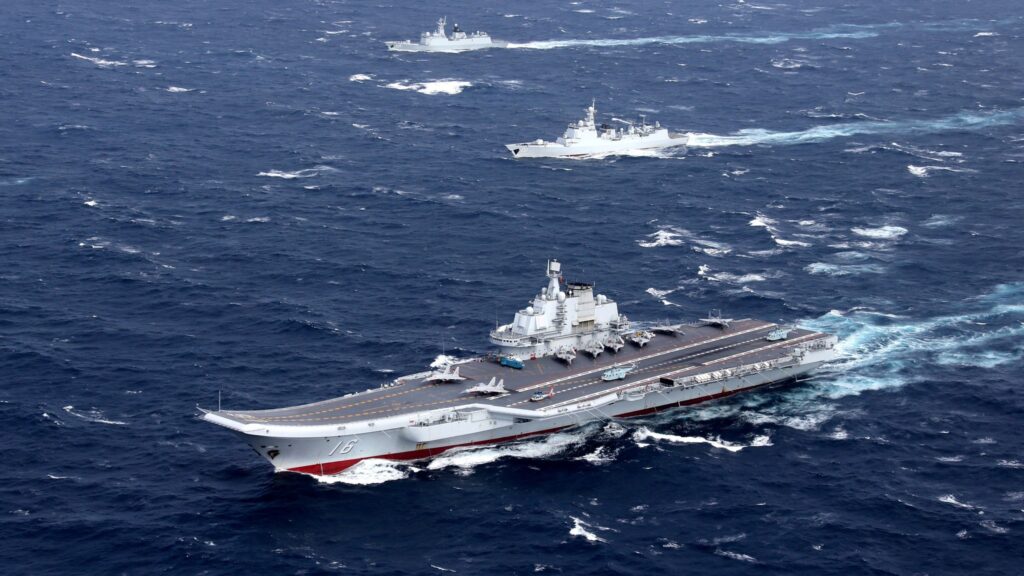
A pivotal geopolitical shift occurred in 1895. Following the First Sino-Japanese War, the Qing Dynasty ceded the territory to Japan through the Treaty of Shimonoseki. The island functioned as a Japanese colony for fifty years. After Japan’s surrender in World War II in 1945, administrative control returned to Chinese authorities. However, the international formalization of this sovereignty transfer remained legally ambiguous and heavily debated.
The 1949 Divide and the Republic of China
The modern foundation of the cross-strait dispute solidified in 1949. The Chinese Civil War culminated in a decisive victory for communist forces on the mainland. Consequently, the People’s Republic of China (PRC) was established in Beijing. Meanwhile, the defeated nationalist forces, operating as the Republic of China (ROC), retreated across the strait.
This historic retreat led to an era of dual sovereignty claims. For decades, both administrations claimed to be the sole legitimate government of all Chinese territory. Over time, the political reality evolved. Today, the island operates as a de facto independent entity. However, its leaders strategically avoid declaring formal, de jure independence to prevent direct military confrontation.
The Strategic Importance of the Taiwan Strait
Beyond historical claims, the continuous presence of Chinese vessels around Taiwan is driven by profound strategic and economic imperatives. The Taiwan Strait is one of the most critical maritime choke points on the globe. A massive percentage of the world’s commercial shipping fleet passes through these waters annually.
Global Trade and Economic Impact
The island itself is an indispensable node in the global technology supply chain. It produces the vast majority of the world’s advanced semiconductors. Any military blockade or kinetic conflict involving Chinese vessels around Taiwan would instantly cripple the global electronics industry. It would halt the production of smartphones, medical equipment, and automotive computing systems worldwide.
Furthermore, the island forms a critical link in the “First Island Chain.” This geographic concept is central to maritime defense strategies in the Pacific. Control over this territory dictates maritime access to the deep waters of the Pacific Ocean, making it a vital asset for regional naval dominance.
International Law and Diplomatic Ambiguity
The legal status of the island remains a unique challenge in international law. The situation constantly tests the fundamental principles of sovereignty, self-determination, and non-interference. Most global powers, including the United States, adhere to a “One China” policy. This diplomatic framework acknowledges Beijing’s claim but deliberately leaves the island’s ultimate political status unresolved.
The US Factor and Regional Alliances
Washington maintains robust, unofficial relations with Taipei. Under the Taiwan Relations Act, the United States is legally obligated to provide the island with defensive military equipment. This legislation ensures that Taipei can maintain a sufficient self-defense capability against potential aggression.


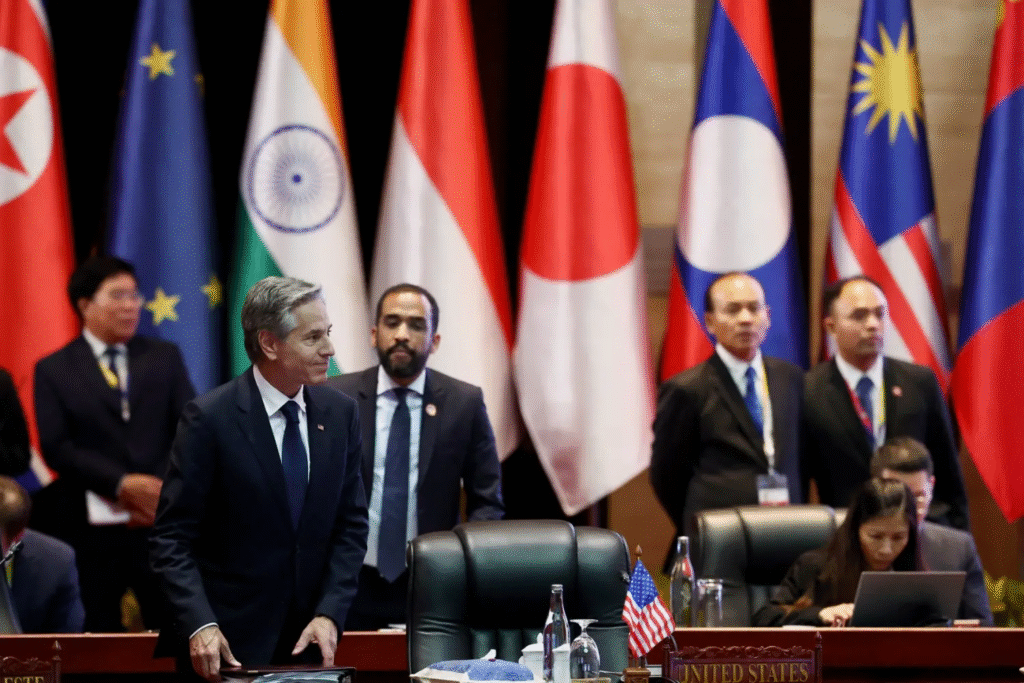
When reports emerge detailing the tracking of Chinese vessels around Taiwan, it immediately triggers security assessments in Washington, Tokyo, and Manila. Regional allies view the security of the strait as directly linked to their own national security. Consequently, military posturing in this zone often prompts joint naval exercises and heightened diplomatic rhetoric across the broader Indo-Pacific arena.
Future Implications for Indo-Pacific Security
The normalization of military incursions alters the regional security baseline. By frequently deploying aircraft and Chinese vessels around Taiwan, Beijing establishes a new operational normal. This tactic, often referred to as “gray-zone” warfare, involves aggressive actions that remain just below the threshold of conventional war.
These persistent maneuvers drain the resources of defending forces. They also force neighboring nations to rapidly modernize their own naval and air capabilities. As long as the fundamental political disagreements remain unresolved, the international community can expect continued military activity, demanding vigilant monitoring and calculated diplomatic responses from all stakeholders involved.
To learn more, follow Shabdsanchi’s social media pages today and stay updated.
- Facebook: shabdsanchi
- Instagram: shabdsanchiofficial
- YouTube: @shabd_sanchi
- Twitter: shabdsanchi