


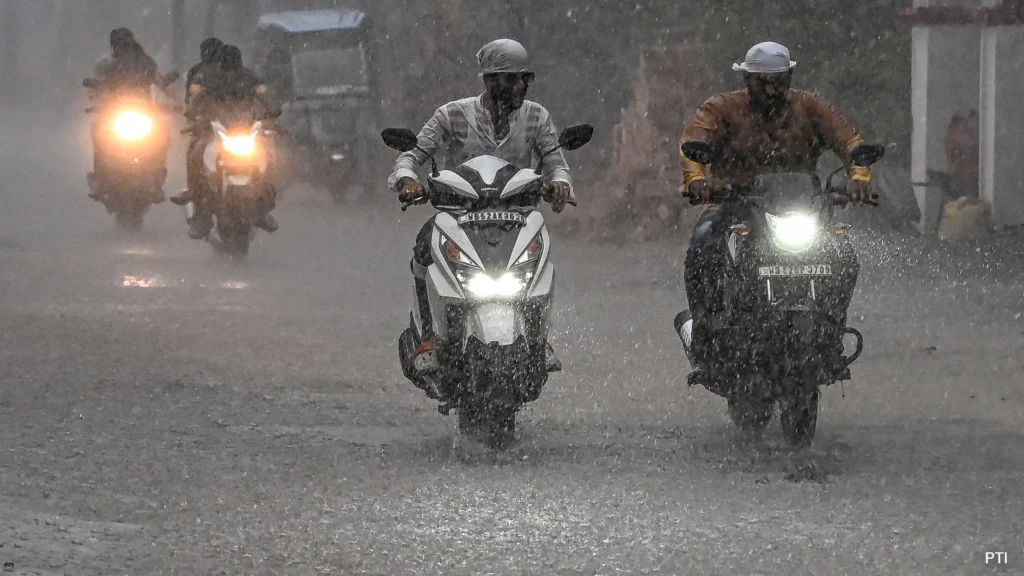
Cyclone Akvan weakened from a severe cyclonic storm into a cyclonic storm early Friday morning, November 20, 2026, and began crossing the north Andhra Pradesh and south Odisha coast near Gopalpur between 7:30 am and 8:30 am with 70–80 kmph winds gusting to 90 kmph. Officials evacuated nearly 3 lakh people in Odisha as heavy rain hit Odisha, Andhra Pradesh, and West Bengal.
The India Meteorological Department (IMD) confirmed around 2:30 am that the system—named by Iran—had lost peak severe strength before making landfall, with the crossing process expected to run for two to three hours after morning onset. Even with lower peak winds than an earlier severe projection, continuous rain, waterlogging, and saturated hills pose immediate hazards across three eastern states.
Why Back-to-Back Storms Raise Stakes Beyond Wind Speed
Meteorological intensity tells only part of the story on India’s eastern coast this autumn. Cyclone Akvan is the third storm to threaten Odisha in 24 days, following recent Bay of Bengal systems that have already strained drainage, agriculture, and hillside stability.
When soils are already waterlogged from prior systems, moderate-to-heavy rainfall triggers runoff and slope failures much faster than during an isolated event. During the previous cyclone, Arnab, which made landfall on October 28, 10 people died in landslides.
“We have identified as many as 941 locations vulnerable to landslides across five districts — Ganjam, Gajapati, Kandhamal, Koraput and Malkangiri. The highest number of 211 such locations is in Gajapati district.” — Disaster Management Minister Suresh Pujari
That hill-slope exposure explains why authorities are treating Cyclone Akvan as a multi-hazard event rather than just a coastal wind event. In low-lying coastal stretches and interior ghats alike, standing water and unstable slopes can cut off roads and delay emergency response long after wind speeds drop.
Mass Evacuations and Infrastructure Shutdowns Across Odisha
Special Relief Commissioner (SRC) Rajesh P Patil reported that 2,98,676 people had been evacuated by Thursday evening and moved into 2,523 relief camps, backed by 9,341 cyclone shelters set up across potentially affected districts. State and central agencies have deployed 60 teams of the Odisha Disaster Rapid Action Force (ODRAF), 14 teams of the National Disaster Response Force (NDRF), and 131 teams of Fire and Emergency Services, while asking the Indian Coast Guard to keep helicopters, vessels, and logistics on standby.
Transport and public institutions have scaled back sharply to keep residents and travelers out of harm’s way:
- Railways: The East Coast Railway cancelled 41 trains and rescheduled 29 others, while the South Eastern Railway cancelled at least 28 express trains, mostly serving or passing through Puri on Friday.
- Coastal & Wildlife Closures: Tourists have been barred from Gopalpur, Puri, Satapada, and Chilika, and fishermen have been told not to enter the sea.
- Temples & Parks: Gundicha Temple in Puri remains closed to visitors until November 21, Nandankanan Zoological Park and the adjoining State Botanical Garden in Bhubaneswar are shut on November 20, Bhitarkanika National Park in Kendrapara is closed for three days through November 21, and Similipal Tiger Reserve in Mayurbhanj is closed on November 20 and 21.
- Schools & Rescue Deployment: Schools are shut in districts under red, orange, and yellow warnings, with rescue units positioned across Malkangiri, Koraput, Rayagada, Kalahandi, Gajapati, Ganjam, Kandhamal, Boudh, Puri, Nayagarh, and Khurda.
Andhra Pradesh Alerts and West Bengal Rain Spillover
Although Cyclone Akvan shifted its landfall track toward southern Odisha after earlier projections pointed more toward Andhra Pradesh, northern coastal Andhra still faces severe rain exposure. The IMD placed Srikakulam and Vizianagaram under a red alert (more than 20.44 cm of rain in 24 hours), Parvatipuram Manyam, Alluri Sitaramaraju (ASR), and Anakapalli under an orange alert (11.56 cm to 20.44 cm), and Kakinada under a yellow alert (6.45 cm to 11.55 cm).
The Andhra Pradesh State Disaster Management Authority (APSDMA) urged residents in North Andhra to stay alert, warned fishermen against going to sea, and advised farmers to take precautions during agricultural work. Meanwhile, heavy rain has also spread to West Bengal alongside Odisha and Andhra Pradesh, testing urban drainage and highway corridors across the wider Bay of Bengal rim.
Frequently Asked Questions
Where and when did Cyclone Akvan make landfall?
Cyclone Akvan began crossing the north Andhra Pradesh and south Odisha coast near Gopalpur between 7:30 am and 8:30 am on November 20, 2026, after weakening to a cyclonic storm around 2:30 am.
What wind speeds were recorded during Cyclone Akvan’s landfall?
The IMD reported wind speeds of 70–80 kmph gusting up to 90 kmph as the storm crossed near Gopalpur.
How many people were evacuated in Odisha ahead of Cyclone Akvan?
Officials evacuated 2,98,676 people—nearly 3 lakh residents—by Thursday evening and shifted them to 2,523 relief camps, supported by 9,341 cyclone shelters across vulnerable districts.
Which Andhra Pradesh districts are under an IMD red alert?
Srikakulam and Vizianagaram are under a red alert for extremely heavy rainfall exceeding 20.44 cm in 24 hours, while Parvatipuram Manyam, Alluri Sitaramaraju, Anakapalli, and Kakinada face orange or yellow alerts.
Why are landslides a major concern during Cyclone Akvan?
Odisha has flagged 941 landslide-prone locations across five districts—led by 211 sites in Gajapati—after 10 people died in landslides during the October 28 cyclone Arnab and Odisha faces its third storm in 24 days.
What Happens Next
Over the next 24 to 48 hours, the primary operational test shifts from coastal wind gusts to inland rainfall runoff, urban waterlogging, landslide monitoring in southern districts, and safe restoration of rail and road links. For eastern states, the recurring November storm pattern underscores a structural lesson: early evacuation and shelter networks save lives at landfall, but post-landfall slope stabilization, drainage capacity, and multi-storm recovery planning will define the real economic and human cost.


Manish Kumar began his professional journey in digital marketing and performance marketing, and currently works as a Digital Marketing Excutive and SEO expert. With over 3 years of professional experience, he handles both strategy and execution. Currently, he manages digital marketing and performance marketing at ‘Shabd Sanchi’ (shabdsanchi.com).