



The Center of Policy Research and Governance (CPRG) recently organized a high-level session titled “Data for Development: Building AI in the Global South” at the Bharat Mandapam. Held as a core component of the India AI Impact Summit 2026, the event gathered global experts to discuss how developing nations can transition from digital consumers to primary creators of artificial intelligence.
Empowering the Global South through AI Sovereignty
The dialogue at the summit underscored a critical shift in the global technological landscape. Experts argued that for countries in the Global South to secure their digital futures, they must move beyond simply using imported AI solutions. The focus has shifted toward building indigenous capacities that reflect local realities and economic needs.
By improving access to high-quality data and sophisticated AI tools, these nations can foster a self-reliant ecosystem. The panel highlighted that strengthening local model development is not just a matter of technological pride but a necessity for economic resilience.

Democratizing Data for Global Equity
Dr. Ramanand, Director of CPRG, addressed the gathering with a focus on inclusivity. He noted that the accessibility of data remains a persistent challenge across both the Global North and South. His vision for the future involves a concerted effort to democratize these tools for communities regardless of their geographical or economic standing.
“We must focus on making data policies more transparent,” Dr. Ramanand stated. He emphasized that data should not be siloed within borders but made accessible in a way that benefits global innovation while respecting privacy and sovereignty.
Transitioning from Consumers to Creators
One of the most resonant points of the summit came from Alok Kumar Rai, Director of IIM Calcutta. He pointed out that India’s unique demographic dividend and vast talent pool place it in a prime position to lead the AI revolution. Rather than merely being a market for global AI products, India has the potential to be the factory of AI innovation.
This transition requires a fundamental shift in how educational and corporate institutions view technology. By focusing on “creator-centric” models, India can export intelligence and high-value services, further solidifying its role as a global tech leader.
The Role of Quality Data in Economic Growth
Dr. Madan Mohan Tripathi, Director General of NIELIT, explained the direct link between data quality and economic stability. When local developers have access to curated, relevant data, they can build AI models that solve specific domestic problems—ranging from agricultural optimization to localized healthcare solutions.
Keeping this innovation cycle rooted within the country ensures that the value generated by AI remains within the local economy. This prevents “data colonialism” and ensures that the wealth created by digital transformation benefits the citizens who generate the data.
Ethical Design and Sustainable Infrastructure
As digital capacity expands at an exponential rate, the conversation turned toward the “how” of development. Prof. Shalabh from IIT Kanpur emphasized that ethics cannot be an afterthought in AI development. He argued that sustainability and responsible infrastructure planning are the twin pillars that will support India’s long-term digital ambitions.

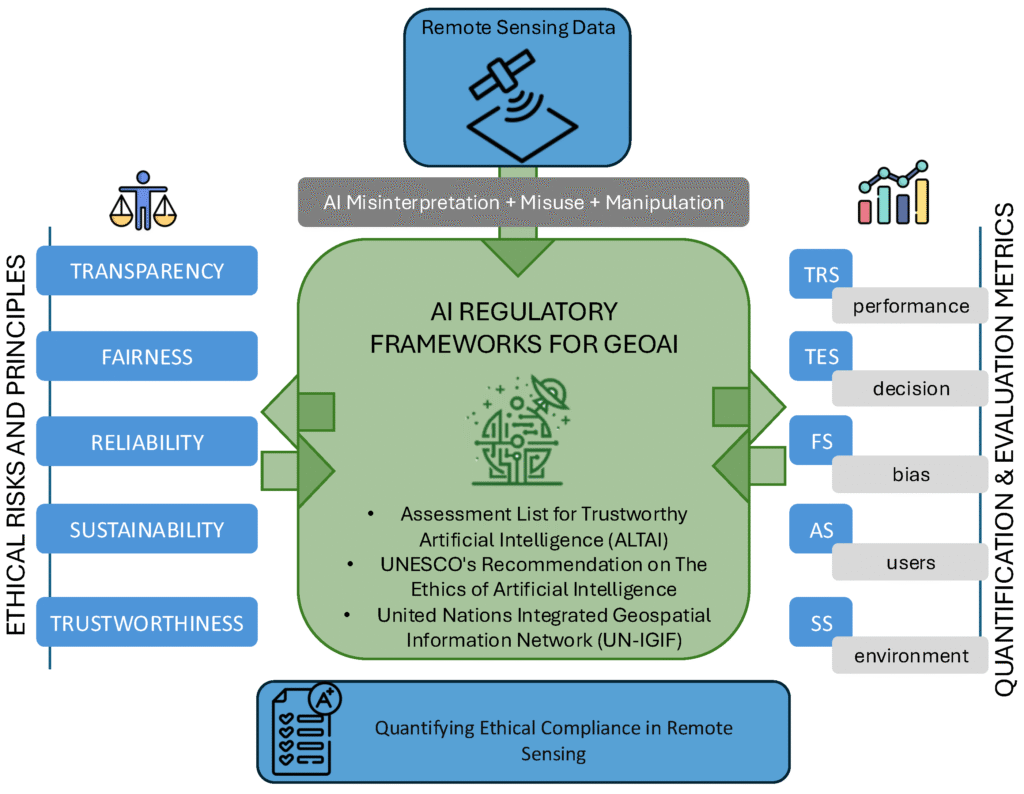
Building massive data centers and AI clusters requires significant energy and resources. Therefore, responsible planning is essential to ensure that the technological leap of today does not become the environmental burden of tomorrow.
AI in the Grassroots: Education and Governance
Beyond the main summit, the CPRG extended the conversation to the foundational level of society: the classroom. A roundtable discussion at the India International Centre brought together school principals and ed-tech leaders to discuss the practical implementation of AI in school systems.
The focus was on supporting teachers rather than replacing them. By introducing AI in responsible ways, schools can personalize learning and reduce administrative burdens. This initiative is part of CPRG’s broader ‘Future of Society’ project, which scrutinizes how emerging technologies are reshaping public institutions and governance.
Future Outlook and the PadhAI Conclave
The event also provided a sneak peek into an upcoming CPRG report regarding emerging opportunities in data services. This report is expected to outline specific sectors where India can achieve a competitive advantage in the next five years.
Furthermore, the second edition of the PadhAI Conclave continued the momentum by focusing on institutional reforms. These pre-summit engagements and main summit dialogues collectively contribute to a robust policy framework intended to guide India through the complexities of the AI era.
To learn more, follow Shabdsanchi’s social media pages today and stay updated.
- Facebook: shabdsanchi
- Instagram: shabdsanchiofficial
- YouTube: @shabd_sanchi
- Twitter: shabdsanchi