


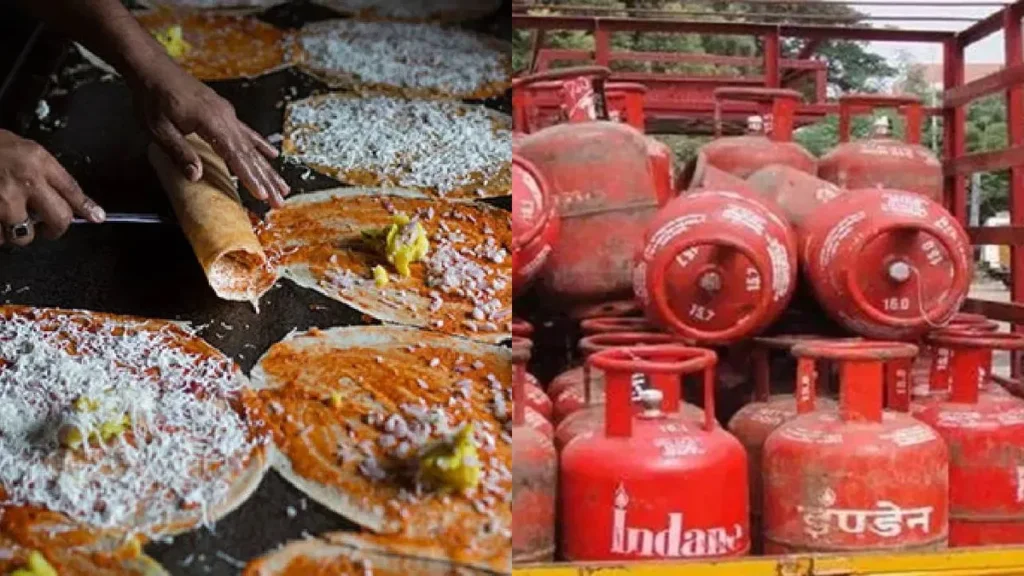
The hospitality sector across major Indian cities is grappling with a severe commercial LPG shortage, threatening to disrupt daily operations. Driven by ongoing geopolitical conflicts in the Middle East and subsequent supply chain disruptions, restaurants and hotels in Bengaluru, Chennai, and Mumbai are facing unprecedented challenges in maintaining their essential services.
The Root Cause: Middle East Conflict and Supply Disruptions
The current energy crisis stems directly from the escalating conflicts in the Middle East, specifically involving Iran, Israel, and the United States. These geopolitical tensions have caused severe disruptions in critical global energy shipping routes, most notably the Strait of Hormuz.
As a direct consequence of these international supply chain bottlenecks, the price of LPG cylinders witnessed a sharp increase recently. Rates for household cooking gas were raised by Rs 60, while commercial LPG cylinders saw a steeper hike of Rs 115. This sudden spike, coupled with a halt in consistent supply, has left the Indian food and beverage industry in a vulnerable position.
How the Commercial LPG Shortage is Impacting Major Cities
The disruption is not isolated; it has triggered a domino effect across the nation’s key metropolitan hubs. Industry associations are sounding the alarm as reserves dry up.

Bengaluru Hotels Warn of Imminent Shutdown
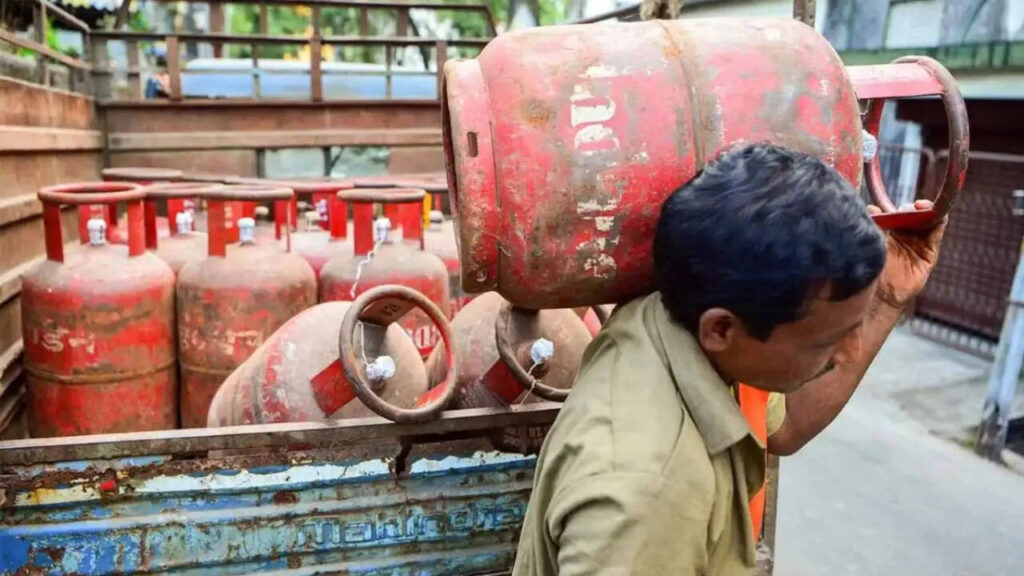
In Bengaluru, the situation has reached a critical juncture. The Bangalore Hotels Association announced that hotel and restaurant operations face severe interruptions. According to the association, oil companies had previously guaranteed an uninterrupted gas supply for a 70-day period. The abrupt cessation of this supply has been described as a massive blow to the local hospitality industry. Association representatives emphasized that hotels provide an essential service, feeding students, medical professionals, and the general public. Without immediate intervention, many establishments will be forced to shut their doors.
Chennai’s SOS for Essential Services
The crisis in Chennai extends beyond regular dining, threatening vital institutional catering. The Chennai Hotels Association has officially written to Prime Minister Narendra Modi, highlighting the critical nature of the situation. Many food service operators in the city run on a 24×7 basis to supply meals to hospitals, IT parks, and college hostels.
The association warned that the ongoing commercial LPG shortage will severely hinder these essential deliveries, affecting a massive segment of the public across Tamil Nadu. Star hotels are also facing the prospect of canceling pre-booked banquets due to the lack of cooking fuel.
Menu Cuts and Operational Suspensions in Mumbai
Mumbai’s iconic hospitality sector is proactively downsizing operations to survive the gas drought. Reports indicate that approximately 20% of hotels and restaurants in the city have been forced to suspend operations entirely. Popular eateries in bustling areas like Dadar, Andheri, and Matunga are shortening their menus. Establishments are dropping slow-cooked, gas-intensive items like Dal Makhani and Rava Dosa to conserve their remaining LPG stocks, while also reducing their daily operating hours.
Industry Confusion vs. Ground Reality
There is a growing disconnect between official government directives and the reality faced by distributors and restaurant owners. The Federation of Hotel and Restaurant Association of India (FHRAI) has flagged widespread disruption at the ground level. In a letter directed to the Minister of Petroleum and Natural Gas, Hardeep Singh Puri, the FHRAI noted that several distributors are actively withholding supplies, citing a government order dated March 5.
Similarly, the National Restaurant Association of India (NRAI) expressed deep concern. While news reports suggest the government has not banned the supply of commercial LPG cylinders to the restaurant industry, the NRAI clarified that ground suppliers are expressing their complete inability to meet demand. The association has requested urgent clarification and intervention to prevent the collapse of this essential service sector.
Government Strategy and Reassurances
In response to the mounting pressure, the Ministry of Petroleum and Natural Gas (MoPNG) has outlined its crisis management strategy. The ministry has issued explicit orders to oil refineries to increase LPG production, specifically diverting this extra capacity to meet domestic household needs. To prevent hoarding and black marketing, a 25-day inter-booking period has been introduced for domestic users.
For the non-domestic sector, the government is prioritizing essential institutions such as hospitals and educational facilities using imported LPG. To address the grievances of the restaurant and hotel industries, a special committee comprising three Executive Directors of Oil Marketing Companies (OMCs) has been constituted to review supply representations. Furthermore, the government has invoked the Essential Commodities Act to legally direct refineries to maximize LPG output.
Despite the ground-level panic, Union Minister Hardeep Singh Puri recently offered a reassuring stance. He stated that India remains in a comfortable position regarding energy availability and that there is no room for anxiety. According to the Minister, energy imports are flowing smoothly from all non-Hormuz routes, fully meeting the nation’s requirements. This domestic confidence comes even as global oil prices display volatility, with Brent crude recently falling after temporarily surging past the $100 per barrel mark.
To learn more, follow Shabdsanchi’s social media pages today and stay updated.
- Facebook: shabdsanchi
- Instagram: shabdsanchiofficial
- YouTube: @shabd_sanchi
- Twitter: shabdsanchi