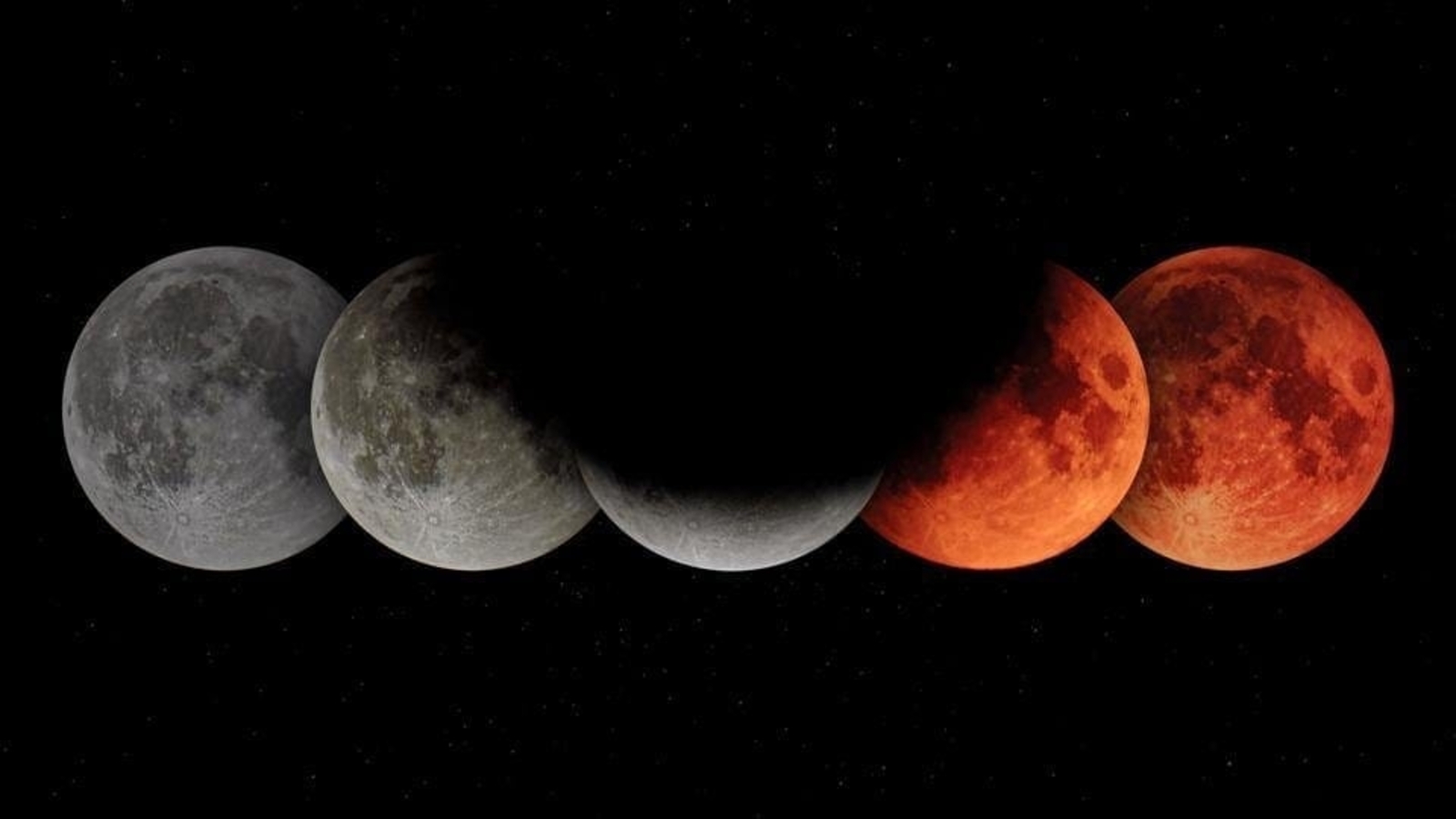
The sky is set to witness a major astronomical and astrological event on March 3. The first Chandra Grahan 2026 will be a total lunar eclipse, drawing the attention of stargazers and devotees alike. In India, this celestial phenomenon holds deep spiritual significance.
When is Chandra Grahan 2026? Date and Time Details
A lunar eclipse occurs when the Earth positions itself perfectly between the Sun and the Moon, casting a shadow on the lunar surface. The upcoming total lunar eclipse is scheduled for March 3, 2026.
According to astronomical calculations, the eclipse will begin in the afternoon at 3:20 PM IST and conclude by 6:47 PM IST. Because the initial phases of the eclipse happen during daylight hours in India, the entire event will not be visible from the subcontinent.
Lunar Eclipse Visibility in India
For observers in India, the moonrise on this day is expected at approximately 6:26 PM. Therefore, Indians will only be able to witness the final stages of the eclipse. The maximum point of the eclipse visible in the country will occur during a narrow window between 6:33 PM and 6:40 PM. Despite the limited visibility, the astrological impact remains significant.
Understanding the Sutak Kaal Timings
In Hindu traditions, “Sutak Kaal” refers to an inauspicious time window preceding an eclipse. During this period, the atmosphere is believed to accumulate negative energy. Since the concluding phase of this eclipse will be visible in India, the Sutak rules will be fully applicable.
For a lunar eclipse, the Sutak period generally begins nine hours before the actual event starts. On March 3, the Sutak Kaal will officially begin at 6:23 AM. During this time, the doors of Hindu temples are closed to the public, and idols of deities are not touched to maintain their purity.
What to Do During the Total Lunar Eclipse?
Religious texts suggest using the eclipse duration for spiritual reflection and meditation rather than worldly activities. Here are some widely followed practices during the eclipse phase:
- Chanting and Prayer: Devotees are encouraged to chant mantras. Reciting the ‘Mahamrityunjay Mantra’ or ‘Om Namo Bhagavate Vasudevaya’ is considered highly beneficial.
- Reading Sacred Texts: Many families choose to read the Bhagavad Gita, Ramayana, or Vishnu Sahasranama to maintain a positive environment at home.
- Precautions for Expecting Mothers: According to traditional beliefs, pregnant women are advised to stay indoors and avoid using sharp objects like knives or scissors during the eclipse window.
- Avoiding Auspicious Work: It is highly recommended to postpone starting new business ventures, housewarming ceremonies (Griha Pravesh), or marriages during this time.
The Science Behind the Blood Moon
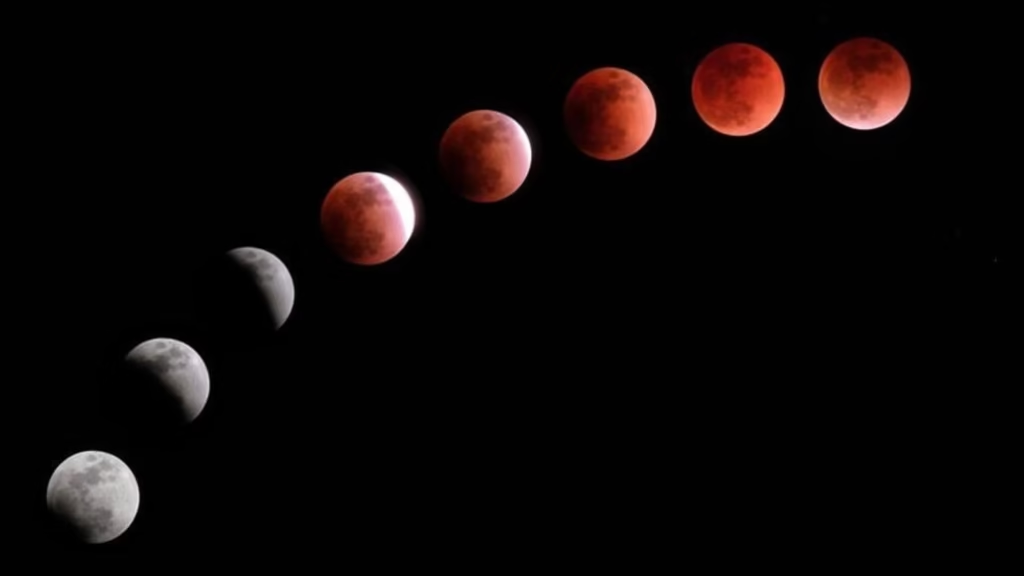
While tradition focuses on the spiritual aspects, the scientific community views this as a fascinating display of orbital mechanics. During a total lunar eclipse, the Moon falls completely into the Earth’s darkest shadow, known as the umbra.
Instead of going completely dark, the Moon often takes on a striking reddish hue. This happens because Earth’s atmosphere bends sunlight, allowing only the longer, red wavelengths to reach the lunar surface. This beautiful phenomenon is frequently referred to as a “Blood Moon.”
Post-Eclipse Rituals and Practices
The period immediately following the eclipse is just as important as the event itself. Once the eclipse concludes at 6:47 PM, certain purification rituals are traditionally performed.
It is considered essential to take a bath after the eclipse ends. Families often sprinkle Gangajal (holy water from the river Ganges) throughout their homes to cleanse the environment of any lingering negative energy. Furthermore, the idols in the home temple should be bathed before evening prayers resume. Finally, donating food, clothes, or money to the underprivileged right after the eclipse is believed to bring immense blessings and positive karma.
To learn more, follow Shabdsanchi’s social media pages today and stay updated.
- Facebook: shabdsanchi
- Instagram: shabdsanchiofficial
- YouTube: @shabd_sanchi
- Twitter: shabdsanchi