




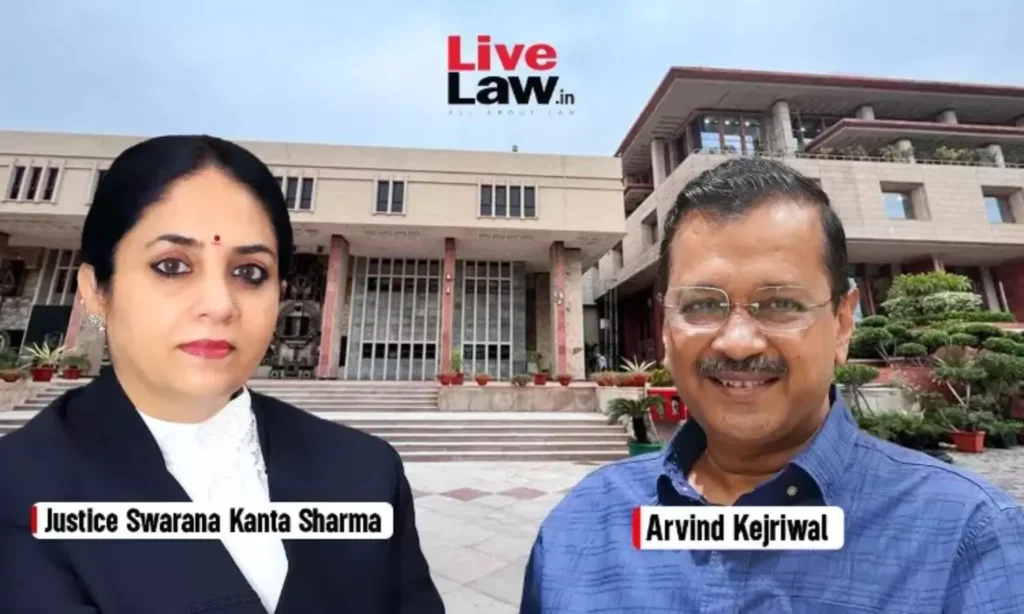
The Delhi High Court is scheduled to hear the CBI plea against Arvind Kejriwal today. This crucial revision petition challenges a recent trial court order that completely discharged the Aam Aadmi Party chief and other senior leaders, including Manish Sisodia, in the heavily debated excise policy case.
Judicial Scrutiny and Initial Observations
Justice Swarana Kanta Sharma will preside over this highly anticipated legal proceeding. Last week, the bench officially issued a notice concerning the investigating agency’s revision petition. During that preliminary session, Justice Sharma stated that specific observations made by the trial court judge appeared prima facie erroneous.
This critical observation provided the investigative agency with a significant tactical advantage. The court’s willingness to re-examine the trial court’s logic indicates that a rigorous judicial review process is currently underway.
Apprehensions and the Push for a Bench Change
Anticipating potential challenges based on the judge’s initial remarks, the Delhi Chief Minister initiated preemptive legal measures. He directly wrote to the High Court Chief Justice, formally requesting that the matter be reassigned to a different judicial bench.
His legal counsel raised specific apprehensions regarding potential bias from Justice Sharma. They argued that the judge’s preliminary comments could unduly influence the final adjudication of the revision petition.
High Court Rejection and the Supreme Court Appeal
Despite the detailed representation, the High Court administration firmly rejected his reassignment request yesterday. The Chief Justice found no substantive administrative grounds to alter the roster for this specific hearing.


Consequently, the legal maneuvering immediately escalated to the highest judicial authority. The AAP national convener subsequently filed a writ petition in the Supreme Court of India. His sole objective is to transfer the CBI plea against Arvind Kejriwal away from the current bench to ensure perceived neutrality.
Understanding the Trial Court Discharge Order
To comprehend the gravity of today’s hearing, it is essential to revisit the trial court’s recent judgment. The lower court judge had systematically discharged all the prominent political accused in this specific corruption case.
The ruling explicitly cited an overarching lack of concrete, prosecutable evidence linking the politicians directly to the alleged financial irregularities. For the AAP leadership, this discharge order served as a monumental political and personal vindication ahead of upcoming elections.
The Core Allegations in the Delhi Liquor Policy Case
The controversy initially stems from the implementation of the Delhi Excise Policy for 2021-22. The policy aimed to revamp the city’s liquor trade by withdrawing the government from retail sales and inviting private players.
However, central agencies alleged massive corruption in its formulation and execution. Investigators claimed the policy was intentionally modified to grant undue favors to specific liquor cartels, collectively known as the “South Group,” in exchange for illicit kickbacks.
The Investigating Agency’s Counter-Arguments
The Central Bureau of Investigation vehemently disputes the trial court’s interpretation of the gathered evidence. The agency’s revision petition forcefully argues that the lower court deliberately ignored critical investigative findings and complex documentary evidence.
Prosecutors maintain that the financial trail clearly demonstrates a coordinated conspiracy to defraud the state exchequer. They will argue that the trial judge applied an unreasonably high evidentiary standard for the preliminary stage of framing charges.
The Role of Approvers and Witness Testimonies
A significant portion of the CBI’s case relies heavily on the statements of key individuals who later turned approvers. These witnesses allegedly provided insider accounts of clandestine meetings, cash transfers, and policy manipulations.
The trial court had heavily scrutinized the reliability of these approvers, suggesting their statements lacked independent corroboration. The central agency will likely argue today that assessing witness credibility is a matter strictly reserved for the trial phase, not the discharge stage.
Political Ramifications of the Legal Battle
The political stakes attached to this judicial outcome cannot be overstated. If the High Court admits the revision petition and ultimately overturns the discharge, it will plunge the Aam Aadmi Party back into a deep operational crisis. Top-tier leaders would once again face the grueling prospect of a prolonged trial.


Conversely, if the High Court upholds the discharge, it would severely dent the central agency’s credibility. It would also significantly bolster the AAP’s persistent public claim of a politically motivated witch-hunt orchestrated by the central government.
What Happens Next in the Judicial Process?
The immediate future of this case hinges entirely on Justice Sharma’s bench, assuming the Supreme Court does not intervene in the interim. If the apex court lists the transfer petition urgently, today’s High Court hearing might see a brief adjournment.
Alternatively, the High Court may proceed with hearing the core merits of the CBI’s arguments. Legal experts anticipate this will set the stage for a protracted legal showdown over the coming weeks, dictating the political narrative in the national capital.
To learn more, follow Shabdsanchi’s social media pages today and stay updated.
- Facebook: shabdsanchi
- Instagram: shabdsanchiofficial
- YouTube: @shabd_sanchi
- Twitter: shabdsanchi