




Aam Aadmi Party (AAP) national convenor has filed an Arvind Kejriwal Supreme Court petition regarding the ongoing Delhi excise policy case. The former Chief Minister is actively challenging a recent Delhi High Court order that stayed trial court remarks against the Central Bureau of Investigation (CBI) and denied his request for a change of bench.
Core Reason Behind the Arvind Kejriwal Supreme Court Appeal
The legal battle surrounding the scrapped Delhi excise policy has reached the top court. Arvind Kejriwal approached the Supreme Court under Article 32 of the Constitution, which guarantees the right to move the highest court for the enforcement of fundamental rights. His primary grievance stems from a recent Delhi High Court decision that significantly altered the course of the ongoing investigation.
Specifically, the High Court imposed a freeze on critical remarks made by a lower trial court against the CBI. The trial court had previously directed an investigation into the specific CBI officer handling the excise policy case. However, on March 9, Justice Swarana Kanta Sharma of the High Court put this trial court direction on hold, prompting Kejriwal to escalate the matter.
The Controversy Surrounding the High Court Bench
Beyond the freeze on the CBI investigation remarks, a major component of the petition focuses on the judicial roster. Kejriwal and his legal team formally requested the transfer of the excise policy case to a different judge.


On March 11, a group led by the AAP chief submitted a representation to Delhi High Court Chief Justice Devendra Kumar Upadhyaya. They appealed for the case to be assigned to another judge, citing a need for absolute impartiality. In this formal representation, Kejriwal expressed a “grave, bona fide, and reasonable apprehension” that the hearings under the current bench might not remain entirely neutral.
Administrative Refusal by Chief Justice Upadhyaya
Despite the strong representation, the request for a roster change was firmly denied. Chief Justice Devendra Kumar Upadhyaya rejected the plea to transfer the excise policy case away from Justice Sharma.
On March 13, the High Court’s Registrar General sent an official communication to eight individuals, including Kejriwal, who had jointly sought the transfer. The letter clearly outlined the administrative stance of the court regarding bench allocations.
It explicitly stated: “The petition is assigned to the Hon’ble judge as per the current roster. Any call of recusal has to be taken by the Hon’ble judge. I, however, do not find any reason to transfer the petition by passing an order on the administrative side.” This makes it clear that only the presiding judge can decide on recusal, and the Chief Justice will not intervene administratively.
The CBI’s Stance and Upcoming Legal Battles
The legal complexities continue to multiply as multiple petitions intersect. Justice Swarana Kanta Sharma is also scheduled to hear a separate petition filed by the CBI. The central investigative agency is challenging the release of Arvind Kejriwal, his former Deputy Chief Minister Manish Sisodia, and several other individuals accused in the overarching excise policy case.
The High Court has maintained a strict stance on the observations made by lower courts. In the same March 9 order, the High Court directed the trial court to defer proceedings related to the connected anti-money laundering case.
Rejection of Trial Court Observations
Furthermore, Justice Sharma firmly rejected certain observations made by the trial court when it discharged Kejriwal and 22 others in a specific segment of the legal proceedings. The High Court labeled those lower court observations as erroneous, further complicating the defense strategies of the accused politicians.
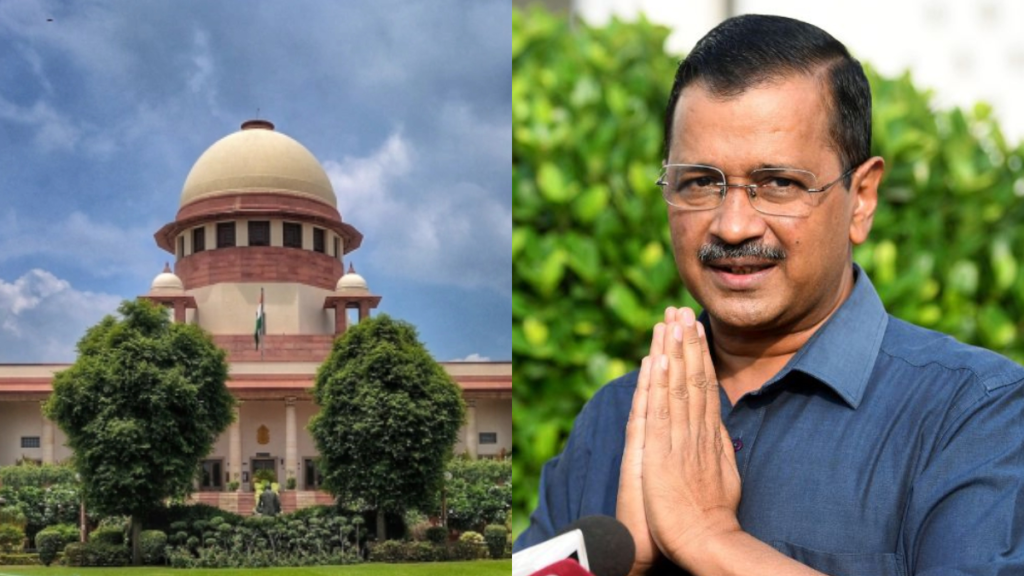
As the Arvind Kejriwal Supreme Court proceedings unfold, legal experts are closely watching how the apex court balances the administrative authority of the High Court Chief Justice with the fundamental rights claims made by the former Delhi Chief Minister. The outcome of this petition will likely set a significant precedent for how judicial recusals and agency oversight are handled in high-profile political cases.
To learn more, follow Shabdsanchi’s social media pages today and stay updated.
- Facebook: shabdsanchi
- Instagram: shabdsanchiofficial
- YouTube: @shabd_sanchi
- Twitter: shabdsanchi