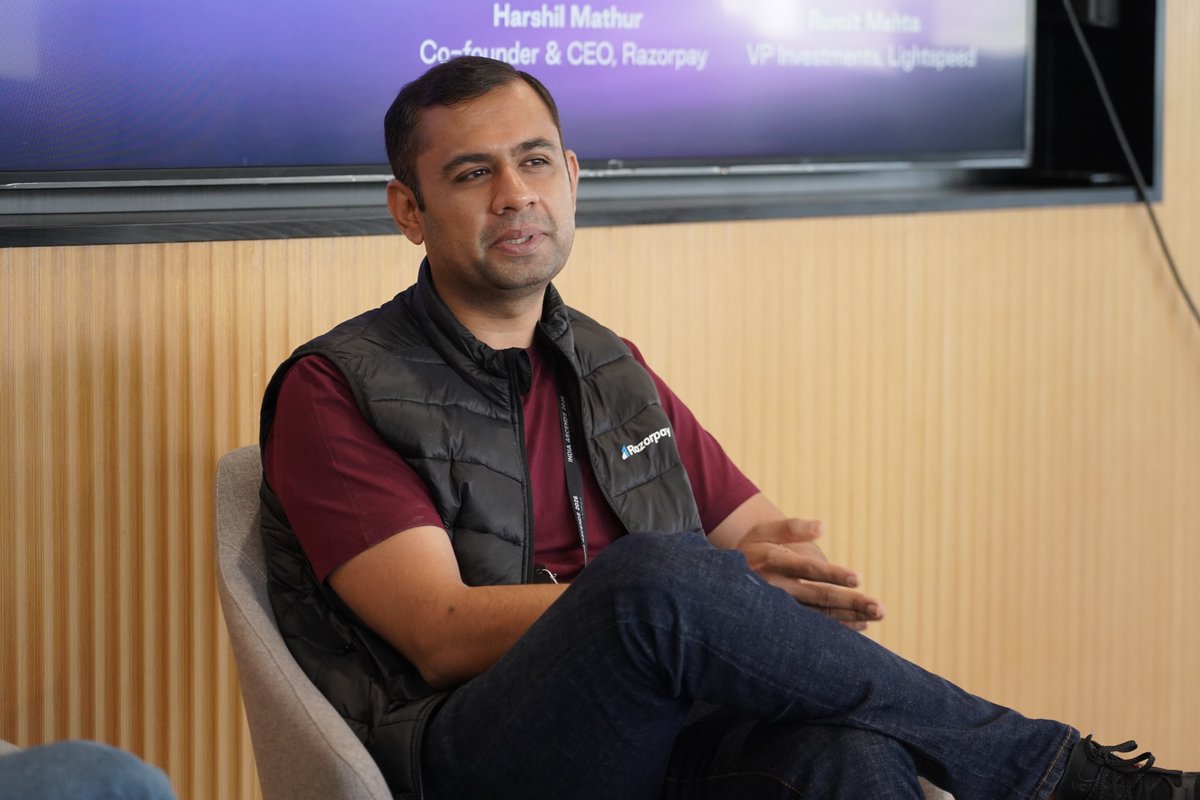
India is on the verge of a massive technological shift that could mirror the success of the Unified Payments Interface (UPI). Razorpay CEO Harshil Mathur believes agentic commerce in India will be the next major digital frontier, leveraging artificial intelligence to simplify transactions for millions of users who currently struggle with traditional mobile applications.
Speaking at the India AI Impact Summit in New Delhi, Mathur highlighted India’s unique position in the global AI ecosystem. While many Western nations view AI with skepticism regarding privacy and job security, Indian consumers have historically embraced digital public infrastructure. This trust, built over a decade of using Aadhaar and UPI, provides a fertile ground for AI-driven commerce.
“Most parts of the world are looking at AI with a lot of suspicion,” Mathur noted. He explained that Indians have had largely positive experiences with technological changes because these innovations have consistently made daily life easier and faster. This openness has already made India the second-largest market for several global AI firms.
The Rise of Agentic Commerce in India
The concept of agentic commerce revolves around autonomous AI agents that can execute tasks on behalf of a user. Instead of navigating multiple screens, menus, and English-centric interfaces, a user can simply “talk” to an agent. Razorpay has already begun exploring this space through high-profile collaborations.
Mathur revealed that Razorpay conducted a pilot with the National Payments Corporation of India (NPCI) and OpenAI six months ago. More recently, the company launched an initiative with Claude to further enable these capabilities. The goal is to allow a user in a small town to place an order, make a payment, and arrange delivery through a simple voice command in their native language.
Breaking the Language and App Barrier
One of the primary hurdles for digital inclusion in India has been the “app fatigue” and the language barrier. Many citizens find it difficult to download, update, and navigate complex apps designed primarily in English. Agentic commerce in India solves this by removing the need for a traditional UI.
A chatbot or voice assistant acting as a commerce agent can understand Hindi or regional dialects. It can search for products, compare prices, and complete the checkout process seamlessly. This “leapfrog” effect is similar to how India skipped widespread credit card adoption to become a world leader in real-time mobile payments.
Impact on Employment and Creativity
The conversation around AI inevitably leads to concerns regarding job displacement. Mathur addressed these fears by drawing a parallel with the evolution of the internet. While some traditional roles may diminish, entirely new categories of employment—such as content creation and digital entrepreneurship—have emerged over the last ten years.
“We’ll have a completely new form of jobs,” Mathur stated, emphasizing that human creativity and intelligence will remain central to the new ecosystem. As AI takes over repetitive transactional tasks, humans will likely pivot toward roles that require higher-level emotional intelligence and strategic thinking.
India as an AI Powerhouse
The rapid adoption of voice-based AI in India is already among the highest in the world. Global industry leaders now frequently cite India as their fastest-growing market. By integrating AI directly into the commerce layer, India isn’t just consuming AI technology but is actively defining how it can be used to solve real-world logistical and economic challenges.
To learn more, follow Shabdsanchi’s social media pages today and stay updated.
- Facebook: shabdsanchi
- Instagram: shabdsanchiofficial
- YouTube: @shabd_sanchi
- Twitter: shabdsanchi