




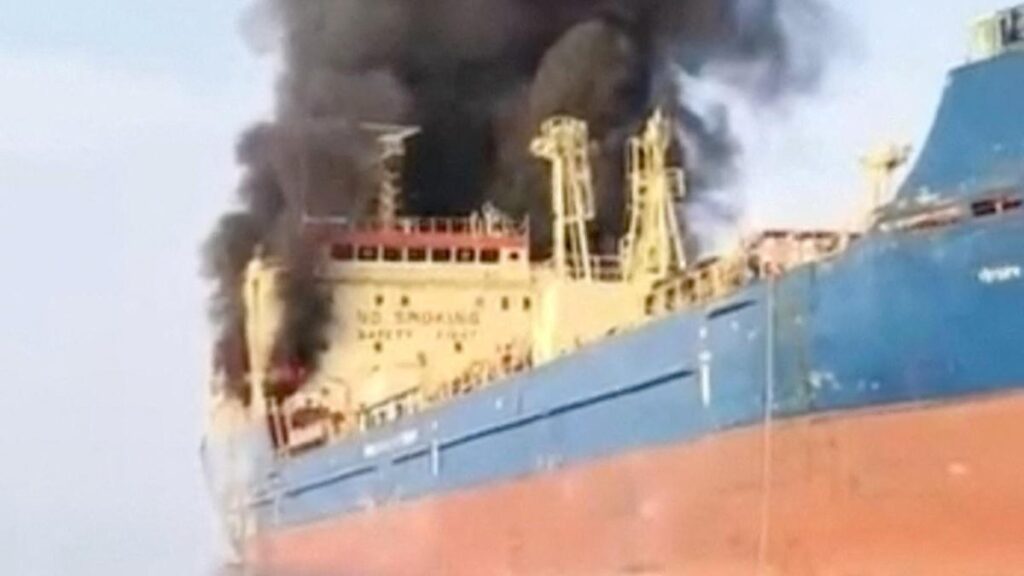
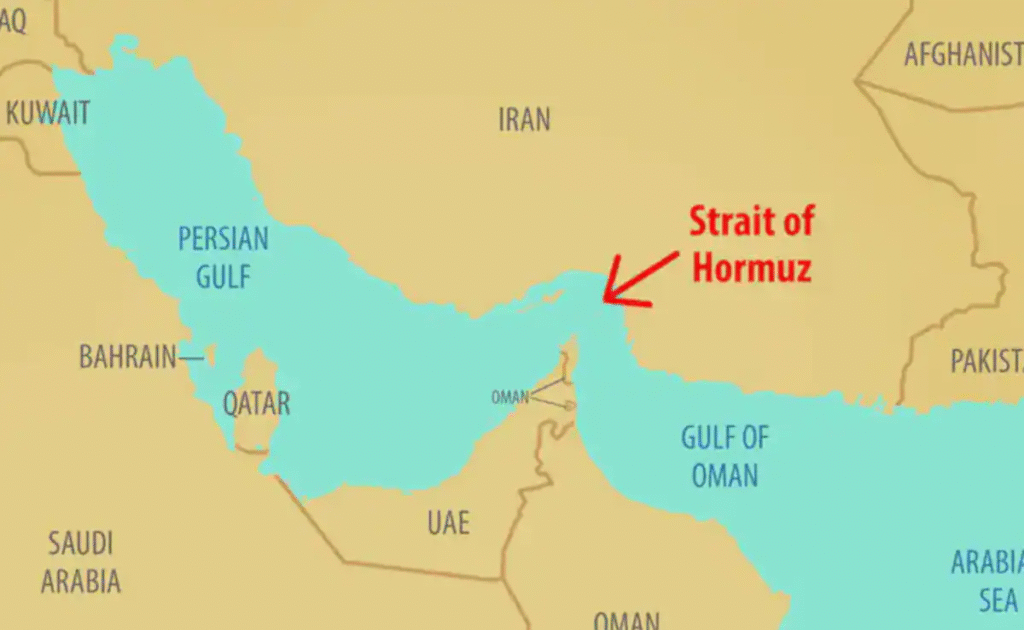
With over 700 tankers stuck at the Strait of Hormuz, global oil markets face unprecedented paralysis. A dramatic drop from nearly 20 million barrels to under 3 million passing through the chokepoint daily raises critical questions about supply chain resilience, especially for massive energy importers. Are we looking at a short-term disruption, or could we face the reality of rationing?
The warning signs are stark, with war-risk insurance climbing and freight rates surging—costs that will inevitably impact consumers globally.
Understanding the Paralysis at the Strait of Hormuz
The current freeze effectively blocks the transit of roughly 86% of typical east-west crude traffic. The 700 tankers stuck at Hormuz currently include over 300 crude carriers and hundreds of vessels transporting refined products.


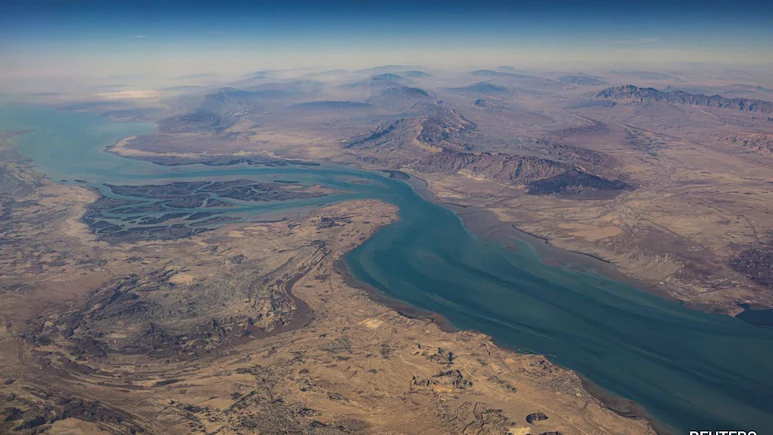
Data from maritime analytics firms illustrates the gravity of the situation. While not formally closed, the waterway’s traffic has plummeted. This creates an immediate “wait and freeze” dynamic that sends shockwaves through energy markets, already reflected in an immediate 10% spike in Brent crude prices and a 40% jump in European gas following recent regional infrastructure attacks.
Immediate Market Reactions
- Soaring Premiums: The cost of war-risk insurance has tightened, elevating the financial burden of shipping in Gulf waters.
- Freight Rate Increases: As tankers idle and wait for passage, overall freight rates for vessels willing to approach the region are climbing steeply.
India’s Exposure and Fuel Security
For a country heavily reliant on Gulf crude, the implications are profound. If the situation drags on for “weeks, not days,” refiners in Asia, including those in India, will face immediate exposure.


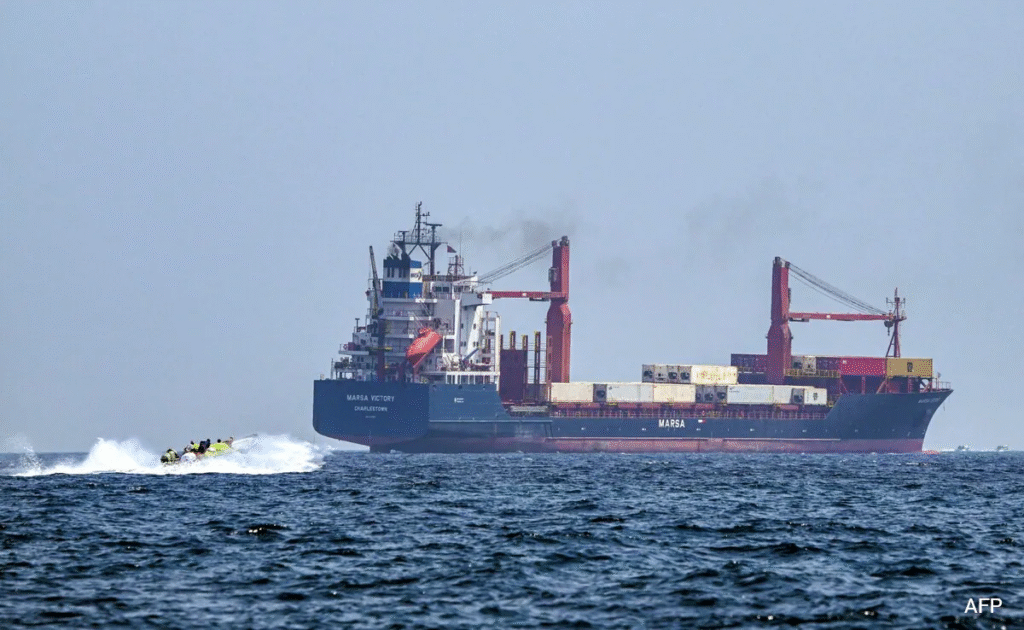
India currently exports a significant portion of its refined fuels, including roughly a third of its petrol and a quarter of its diesel output. However, the domestic picture is distinct.
The Challenge of LPG and Supply Stocks
The most critical vulnerability lies in LPG supply. India imports a vast majority of its LPG requirements, primarily from Gulf producers via the Strait of Hormuz.
According to industry estimates, current supplies might cover less than two weeks of consumption if fresh cargoes cease entirely. State refiners like Indian Oil, HPCL, and BPCL have reportedly started increasing LPG output at certain facilities to mitigate this risk.
While total crude and product reserves across strategic caverns, refineries, ports, and floating storage are estimated to cover roughly 74 days of overall demand, the specific allocations paint a tighter picture for immediate needs, with dedicated crude caverns holding about 17–18 days of demand.
What Are the Next Steps?
Officials are actively evaluating emergency protocols. While not officially confirmed, potential demand-management strategies could involve reviewing export curbs on petrol and diesel to prioritize domestic availability or securing alternative crude sources.
To learn more, follow Shabdsanchi’s social media pages today and stay updated.
- Facebook: shabdsanchi
- Instagram: shabdsanchiofficial
- YouTube: @shabd_sanchi
- Twitter: shabdsanchi