


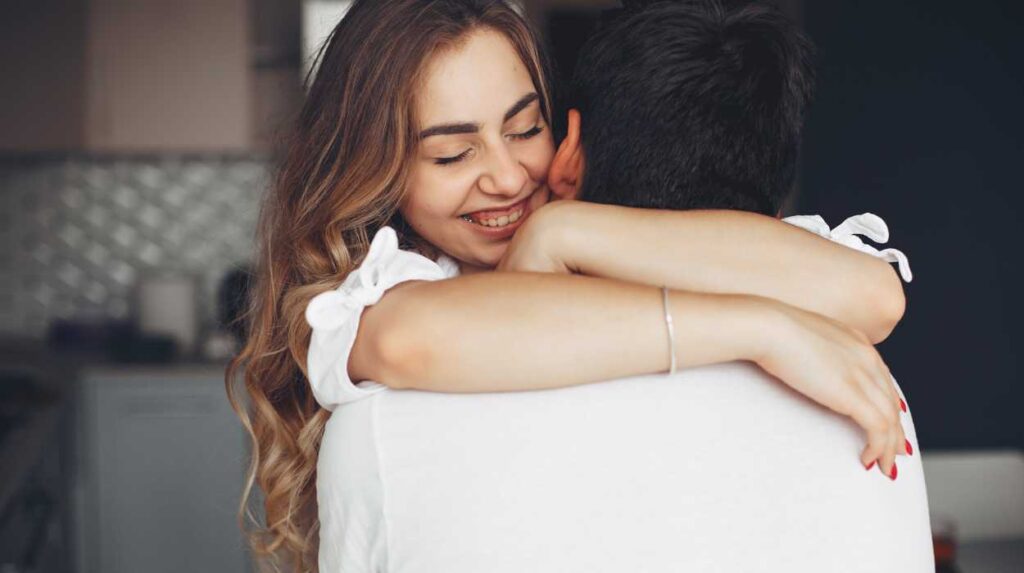
Human touch is a powerful form of non-verbal communication that often conveys more than words ever could. Understanding the 7 types of hugs and their meaning allows us to navigate social complexities and emotional bonds with greater clarity. Whether it is a comforting squeeze or a polite distance, every embrace carries a specific psychological subtext.
The Science of the Squeeze
Hugging is not merely a social custom; it is a physiological event. When we embrace, our brains release oxytocin, often referred to as the “cuddle hormone.” This chemical promotes trust, reduces stress, and strengthens emotional connections. However, not all hugs are created equal. The distance between bodies, the duration of the touch, and the placement of hands serve as silent indicators of our true feelings.

1. The Side Hug: The Boundary Setter
The side hug, often called the “buddy hug,” involves two people standing side-by-side with arms wrapped around each other’s waist or shoulder. It is the go-to greeting for acquaintances or colleagues.
In terms of 7 types of hugs and their meaning, this one is about maintaining a safe zone. Because the hips are pointed away from the other person, it signals friendliness without romantic intimacy. If this becomes the primary hug in a romantic relationship, it may suggest a shift toward a platonic “friend-zone” dynamic.
2. The Bear Hug: The Ultimate Sign of Trust
The bear hug is characterized by a full-frontal embrace where one person wraps their arms completely around the other, often squeezing tightly. This is widely considered the most comforting of all embraces.
Psychologically, this hug signifies deep affection and a sense of protection. It is common between close family members, best friends, or long-term partners. A genuine bear hug acts as a “soul repair,” lowering heart rates and providing a sense of absolute security.
3. The Back Hug: The Silent Protector
In a back hug, one person stands behind the other, wrapping their arms around the chest or waist. This style is frequently seen in romantic contexts and is a staple of emotional storytelling.
The meaning here is rooted in vulnerability and shelter. By covering someone’s back—a literal blind spot—the hugger is signaling that they are a protector. For the person being held, it requires immense trust to allow someone to approach from behind. It conveys a message of “I am here for you,” even in silence.
4. The London Bridge: The Formal Distance
Named for the “A” shape it creates, the London Bridge hug involves touching shoulders while keeping the lower bodies as far apart as possible. It is perhaps the most “awkward” of the 7 types of hugs and their meaning.
This hug is a clear sign of discomfort or a lack of emotional closeness. It is often performed out of social obligation rather than genuine desire. If you receive this hug, it usually means the other person is maintaining a strict professional or social boundary, intentionally avoiding physical intimacy.
5. The Waist Hug: The Romantic Invitation
When one partner wraps their arms around the other’s waist, pulling them in close while maintaining eye contact, it is known as the waist hug. This is a highly intimate gesture.
Unlike the bear hug, which focuses on comfort, the waist hug is often about romantic attraction and desire. It leaves the faces close together, inviting conversation or a kiss. The alignment of the pelvic region in this hug is a strong indicator of sexual tension and romantic interest.
6. The Dead Fish: The Unbalanced Connection
The “Dead Fish” is a one-sided hug where one person initiates a warm embrace, and the other remains limp, arms dangling at their sides. It is perhaps the most telling indicator of a relationship in trouble.
This lack of reciprocation signals emotional withdrawal. It suggests that the receiver is either uncomfortable, angry, or emotionally checked out of the relationship. It is a physical manifestation of a “one-way street” where the effort is not being matched.
7. The Bro-Tap: The Masculine Boundary
Commonly seen among male friends or teammates, the “Bro-Tap” involves a quick hug followed by several firm pats on the back. While it shows genuine care, the rhythmic tapping serves a specific purpose.
The pat acts as a “social timer,” signaling that the moment of intimacy has reached its limit. It allows individuals to express affection while maintaining a level of ruggedness or platonic distance. In a romantic setting, however, frequent back-patting can feel dismissive, as if the partner is trying to de-escalate the emotional depth of the moment.
To learn more, follow Shabdsanchi’s social media pages today and stay updated.
- Facebook: shabdsanchi
- Instagram: shabdsanchiofficial
- YouTube: @shabd_sanchi
- Twitter: shabdsanchi