




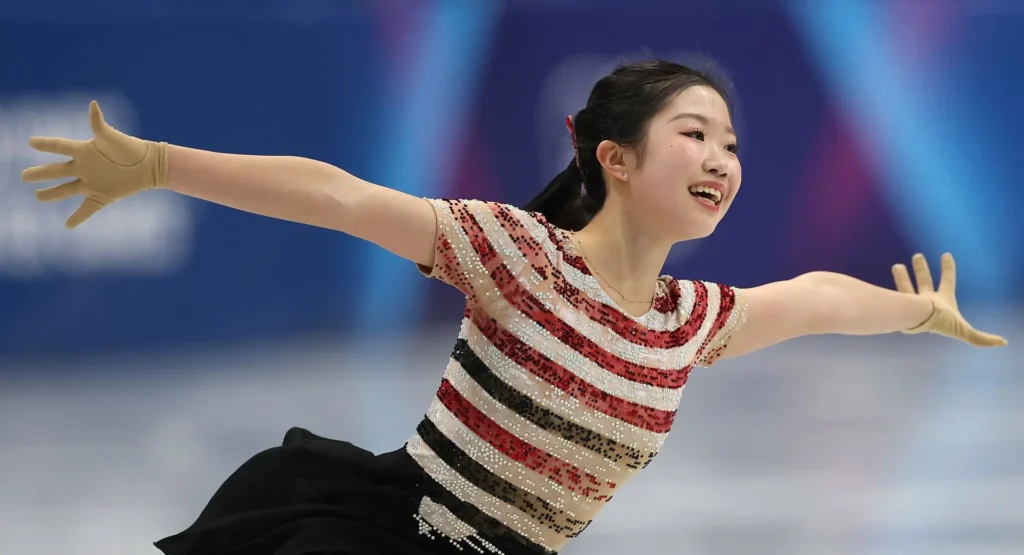
The climax of the figure skating world has arrived in Milan. The 2026 Winter Olympics women’s single free skating schedule and results will reach their conclusion today, Thursday, February 19, as the world’s top athletes compete for podium glory. After a thrilling short programme, Japan’s Ami Nakai holds a slim lead heading into the decisive medal round.
Final Medal Decider: The Stakes in Milan
The atmosphere at the Milano Cortina 2026 venue is electric as the women’s singles figure skating event enters its final phase. This segment is the ultimate test of endurance, technical precision, and mental fortitude. Unlike the short programme, the free skating routine allows for a broader range of elements, making it the primary factor in determining the final rankings.
Fans across the globe are tracking the 2026 Winter Olympics women’s single free skating schedule and results to see if the current leaders can maintain their composure. With the scores from Tuesday’s short programme being combined with tonight’s tally, even the smallest error on the ice could shift a skater from a gold medal position to off the podium entirely.
Current Standings: Ami Nakai Leads the Pack
As it stands, Japan is in a dominant position. Ami Nakai delivered a nearly flawless short programme, earning her the top spot on the leaderboard. However, the gap between the top three is marginal.
The current leaderboard highlights a fierce battle:
- 1st Place: Ami Nakai (Japan)
- 2nd Place: Kaori Sakamoto (Japan)
- 3rd Place: Alysa Liu (USA)
Sakamoto, a seasoned veteran known for her powerful skating and high-speed transitions, is breathing down Nakai’s neck. Meanwhile, Alysa Liu remains a massive threat, representing the best hope for a gold medal for the United States.
Understanding the Free Skating Format
The free skating segment, often called the “long program,” lasts approximately four minutes for senior women. While the short programme is about required elements, the free skate offers more creative freedom and higher point potential.
Skaters will attempt complex combinations, including quadruple jumps and triple axels, which carry significant base values. The judging panel focuses on both Technical Element Scores (TES) and Program Component Scores (PCS), evaluating everything from skating skills to performance and composition.


Top Medal Contenders to Watch
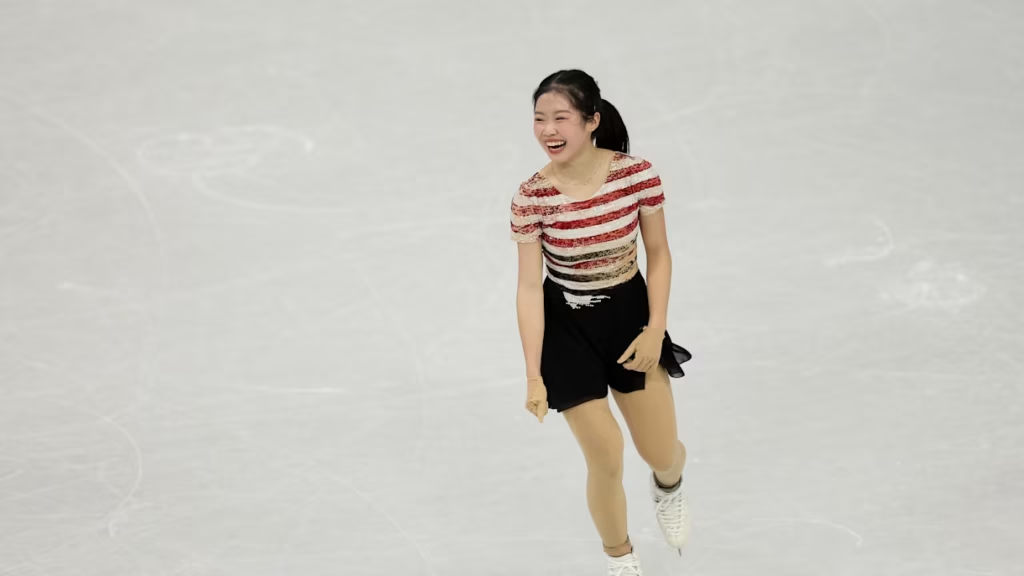
While the top three are the favorites, the “podium dark horses” cannot be ignored. In Olympic history, many skaters have surged from fifth or sixth place after the short programme to claim a medal through an exceptional free skate.
Kaori Sakamoto (Japan): Her experience is her greatest asset. Having stood on Olympic podiums before, she knows how to handle the “medal-day” nerves better than most.
Ami Nakai (Japan): As the current leader, the pressure is on her to defend her position. Her technical ceiling is incredibly high, but the Olympic final is as much a test of nerves as it is of talent.
Alysa Liu (USA): Liu’s comeback story has been a highlight of these games. Her ability to land difficult combinations consistently makes her a formidable opponent for the Japanese duo.
2026 Winter Olympics Women’s Single Free Skating Schedule and Results Timing
The final group of skaters, featuring the top-ranked athletes, is expected to take the ice during the evening session in Milan. For viewers in India, the results will likely be confirmed late at night due to the time difference.
Official protocols dictate that once the final skater finishes their routine, the scores will be reviewed by the technical panel. The victory ceremony will follow immediately after the final standings are confirmed.
Impact of Technical Precision on Final Scores
In the 2026 games, the judging criteria have become even more stringent regarding “edge calls” on jumps and rotation completeness. A “downgraded” jump can cost a skater 3 to 5 points, which is often the difference between a Gold and a Bronze medal.
Coaches and choreographers have spent years perfecting these four-minute routines. The world now waits to see which athlete can translate years of practice into a four-minute masterpiece under the bright Olympic lights of Italy.
To learn more, follow Shabdsanchi’s social media pages today and stay updated.
- Facebook: shabdsanchi
- Instagram: shabdsanchiofficial
- YouTube: @shabd_sanchi
- Twitter: shabdsanchi